How to Clean and Maintain Your Laser Welding Equipment?

Time:2026-06-10 Author:Amelia
0%

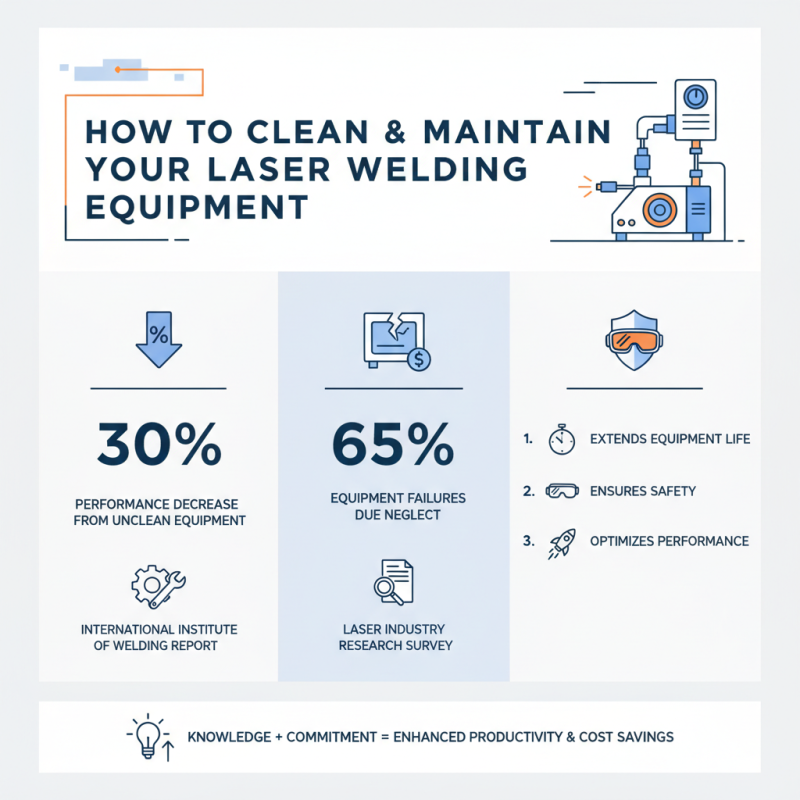
In the laser welding industry, equipment upkeep is vital. Many professionals overlook proper maintenance, leading to reduced efficiency. According to a report by the International Institute of Welding, unclean equipment can decrease performance by up to 30%. This highlights the importance of understanding how to clean and maintain laser welding equipment effectively.

Failure to maintain these tools can also result in costly repairs. Regular cleaning and maintenance not only extend the life of the equipment but also ensure safety during operations. A survey conducted by Laser Industry Research indicates that 65% of equipment failures stem from neglect. Therefore, organizations must prioritize maintenance to avoid unnecessary disruptions.

Understanding how to clean and maintain laser welding equipment is essential for optimal performance. Knowledge and commitment to proper upkeep can dramatically enhance productivity. This article aims to provide insights into effective maintenance strategies, addressing common pitfalls and encouraging best practices.
How to Clean and Maintain Your Laser Welding Equipment?

Understanding the Importance of Cleaning Laser Welding Equipment

Cleaning laser welding equipment is crucial for optimal performance. Regular maintenance prevents issues such as misalignment or compromised weld quality. Dust and debris can accumulate, affecting your results. Without proper cleaning, contaminants may create defects in the welds. This can result in costly repairs and downtime.

It’s important to understand how to clean these sensitive pieces of equipment. Use soft, lint-free cloths to avoid scratches. Ensure that all mirrors and lenses are free from residue. Ignoring this can lead to beam distortion. Regularly inspecting your equipment helps identify potential issues early. Investing time in maintenance can prolong the lifespan of your tools. However, many operators overlook this vital step, leading to regret later.

Cleaning procedures should be documented. A checklist can improve consistency. Reflecting on past experiences can highlight areas for improvement. Mistakes can teach valuable lessons about equipment care. Each aspect of maintenance impacts performance. Prioritizing clean equipment pays off in the long run.

Step-by-Step Guide to Cleaning Laser Lens and Optics

Cleaning and maintaining laser welding equipment is crucial for optimal performance. The laser lens and optics play a vital role in ensuring precision during the welding process. Regular cleaning can enhance the quality of the laser beam and extend the equipment’s lifespan.

To clean your laser lens, use a microfiber cloth. Dampen it with isopropyl alcohol for effective dirt removal. Avoid abrasive materials, as they can scratch the lens. According to industry reports, a clean lens can improve output power by up to 10%. This can significantly impact productivity in laser welding applications.

When cleaning optics, ensure that you handle them with care. Use compressed air to remove loose debris before cleaning with a cloth. This reduces the risk of scratching and accidental damage. Remember, neglecting these elements can lead to inconsistent welds and messy work conditions.

Tips: Always follow manufacturer guidelines when cleaning. Regular maintenance checks can prevent extensive damage. This not only saves costs but assures high-quality welds. Staying diligent can help avoid future frustrations and reflect on the importance of routine care in industrial settings.

Routine Maintenance Tasks for Laser Welding Machines

Routine maintenance of laser welding machines is crucial for optimal performance. Regularly check the optical components for dust and debris. Cleaning these parts can enhance the quality of your welds. Use a soft, lint-free cloth and a suitable cleaner. Avoid harsh chemicals that may damage the lenses or mirrors. These components should be cleaned at least monthly, depending on usage.

Additionally, inspect the cooling system regularly. The cooling fluid must be checked and replaced as needed. Low fluid levels can lead to overheating. Monitor the temperature gauges to ensure the system functions within the recommended range. It’s also important to check for any leaks or blockages in the cooling lines. Neglecting this can lead to serious damage over time.

Finally, make it a habit to review the machine’s software. Updates may optimize performance and add features. You must also assess the mechanical parts for any signs of wear. Act promptly to replace worn components. Skipping these checks can result in costly downtime and repairs. Reflecting on these tasks helps maintain productivity and efficiency in your operations.

How to Clean and Maintain Your Laser Welding Equipment? - Routine Maintenance Tasks for Laser Welding Machines

Maintenance Task Frequency Description Tools Required
Cleaning Laser Optics Weekly Remove dust and debris from lenses and mirrors to ensure optimal performance. Optical cleaning solution, microfiber cloth
Inspect Cooling System Monthly Check coolant levels and ensure that the cooling system is functioning properly. Coolant fluid, inspection tools
Check Electrical Connections Monthly Ensure all connections are secure and free from corrosion. Screwdriver, multimeter
Replace Fuses As Needed Check fuses regularly and replace if blown to prevent machine damage. Replacement fuses
Lubricate Moving Parts Bimonthly Apply lubricant to joints and moving mechanisms to reduce wear. Machine lubricant

Troubleshooting Common Issues During Equipment Maintenance

Maintaining laser welding equipment is essential, but issues can arise during upkeep. One common problem is lens contamination. This can lead to poor weld quality and increased defects. Regularly inspect lenses for smudges and debris. Use proper cleaning methods to avoid damaging sensitive surfaces. Gentle wipes and approved solutions can help reach a clean state.

Another frequent issue is overheating. This can occur due to hours of operation without breaks. Monitor cooling systems regularly. Make sure fans and coolant lines are functioning well. A simple check can prevent overheating, which can be devastating for performance. Keep an eye on duty cycles.

Alignment problems may also surface. Misalignment affects precision and results in unsatisfactory welds. Regular calibration checks can help catch these issues early. If you notice inconsistent welding patterns, revisit your setup. Small adjustments can make a big difference. Being proactive about these issues will ensure your equipment runs smoothly. Reflect on your routine. Consider areas for improvement as you go along.

Best Practices for Long-Term Care of Laser Welding Equipment

Proper maintenance of laser welding equipment is crucial for its longevity and performance. A thorough cleaning routine should be established, incorporating specific tools and techniques. For example, regularly inspect the lens for contaminants. Dust or debris can diminish welding quality. Use an appropriate cleaning solution and a lint-free cloth to wipe the lens gently. Pay attention to the mirrors, as they also require cleaning to maintain laser efficiency.

Calibration is another essential practice. Regularly check the alignment of the laser beam. Misalignment can result in poor welds and increased wear on the equipment. Consider implementing a weekly check to ensure optimal setup. Additionally, keep an eye on cooling systems. Overheating can damage internal components, leading to costly repairs. Conduct routine maintenance checks to monitor coolant levels and ensure they are functioning effectively.

Equipment storage matters too. Store your laser welder in a climate-controlled environment to avoid corrosion and damage. Cover it to prevent dust accumulation. Reflection on these practices can lead to improvements. Ideally, develop a routine that includes both daily and monthly tasks. This proactive approach will help prolong the life of your equipment and enhance performance.

FAQS

: How often should I clean the optical components of a laser welding machine?

: Clean optical components at least monthly. Regular cleaning enhances weld quality and maintains performance.

What should I use to clean the lenses and mirrors?

Use a soft, lint-free cloth with a suitable cleaner. Avoid harsh chemicals to prevent damage.

Why is it important to check the cooling system regularly?

Checking the cooling system prevents overheating and potential damage. Low fluid levels can affect performance.

What should I do if I notice overheating during operation?

Monitor the cooling system closely. Ensure fans and coolant lines are working properly to avoid performance issues.

How can I prevent lens contamination during maintenance?

Regularly inspect lenses for smudges and debris. Use gentle wipes and approved cleaning solutions for best results.

What should I do if I experience alignment issues with my equipment?

Conduct regular calibration checks to catch misalignment. Revisit your setup if welding patterns are inconsistent.

What are the consequences of neglecting routine maintenance tasks?

Neglecting maintenance can lead to costly downtime and repairs. Reflecting on tasks is essential for efficiency.

How can software updates help my laser welding machine?

Software updates can optimize performance and introduce new features. Regular review can enhance overall operation.

How do I check for leaks or blockages in the cooling system?

Regularly inspect cooling lines for any signs of leaks or blockages. These can cause significant damage over time.

What should I do if I notice worn components in the equipment?

Act promptly to replace worn parts. Delaying this can reduce productivity and increase repair costs.

Conclusion

Maintaining and cleaning laser welding equipment is crucial for ensuring optimal performance and longevity. The article outlines the importance of regularly cleaning the laser lens and optics, which can enhance the quality of welds and prevent common issues. A step-by-step guide is provided to help users effectively clean these components, along with routine maintenance tasks that are essential for the upkeep of the entire machine.

Furthermore, the article addresses troubleshooting common problems that may arise during maintenance, enabling operators to quickly identify and resolve issues. Adopting best practices for long-term care of laser welding equipment can significantly reduce downtime and increase productivity. Overall, understanding how to clean and maintain laser welding equipment is vital for maximizing efficiency and ensuring high-quality output in welding applications.

Amelia

Amelia

Amelia is a seasoned marketing professional with a wealth of expertise in our company’s core offerings. With an unwavering passion for driving growth and innovation, she plays a pivotal role in shaping our marketing strategies and enhancing brand visibility. A key aspect of her responsibilities......