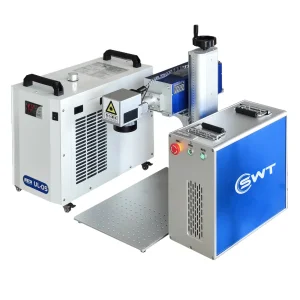
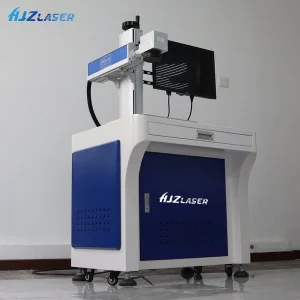
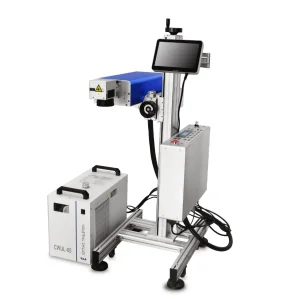
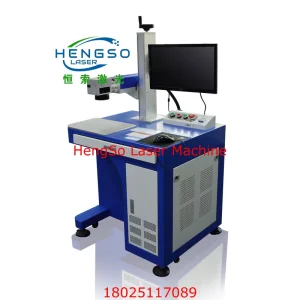
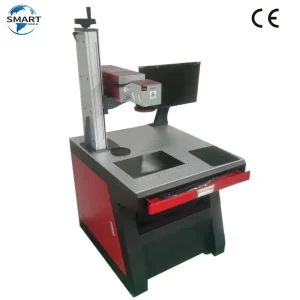
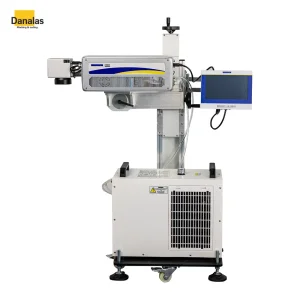
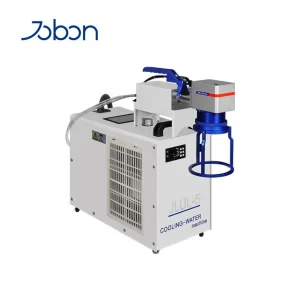
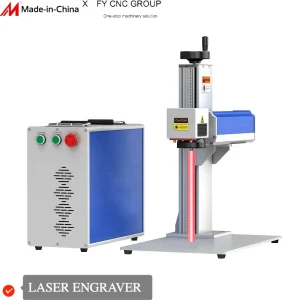
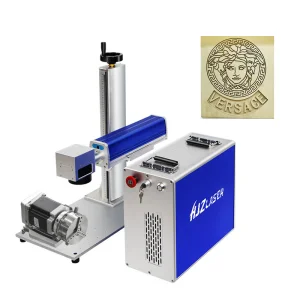
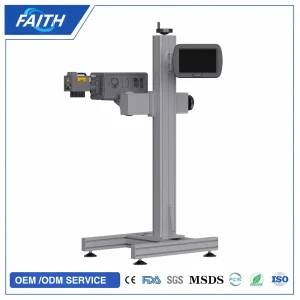
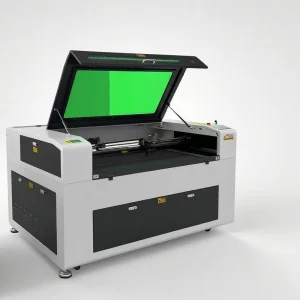
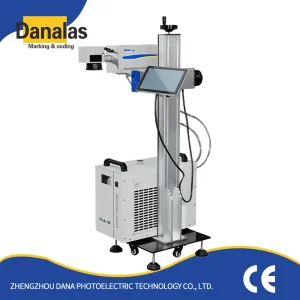
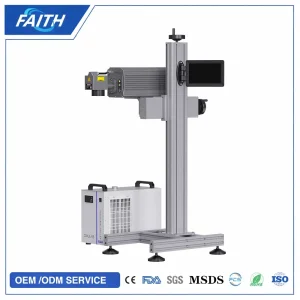
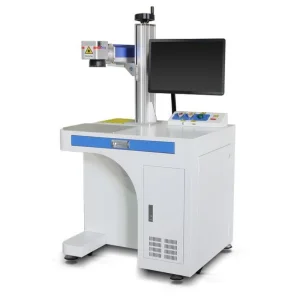
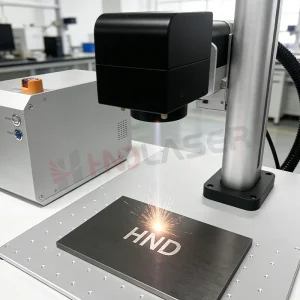
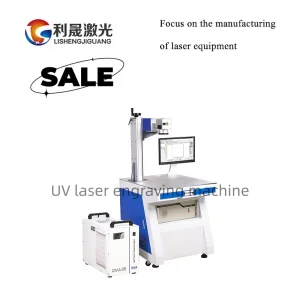
Ningbo STYRL Laser Co., Ltd. is a high-tech enterprise specializing in laser processing technology, positioned as a Laser Marking Machine Manufacturer | Fiber Laser Engraving & Industrial Coding Solutions provider. The company focuses on delivering high-precision, efficient, and stable laser systems widely used in electronics, automotive parts, metal fabrication, packaging, medical devices, and industrial manufacturing sectors.
Founded in 2014 in Ningbo, China, STYRL Laser started as a small laser equipment integration workshop focusing on industrial marking applications. With the rapid development of smart manufacturing and industrial automation, the company expanded its product scope into fiber laser marking systems, CO₂ laser solutions, UV laser marking equipment, and advanced laser welding technologies. By 2018, STYRL had established a complete production and R&D system covering optical design, control software, and machine assembly.
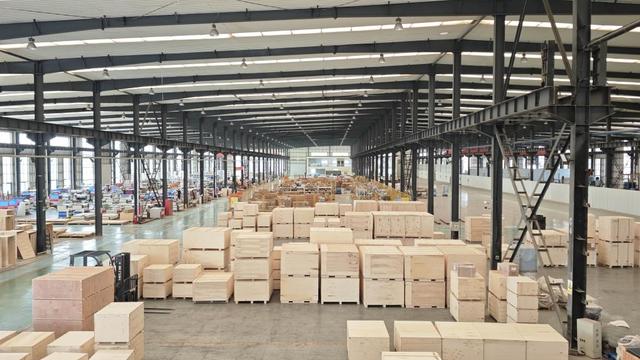
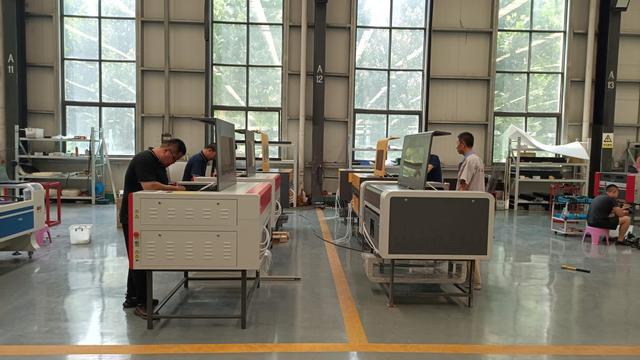
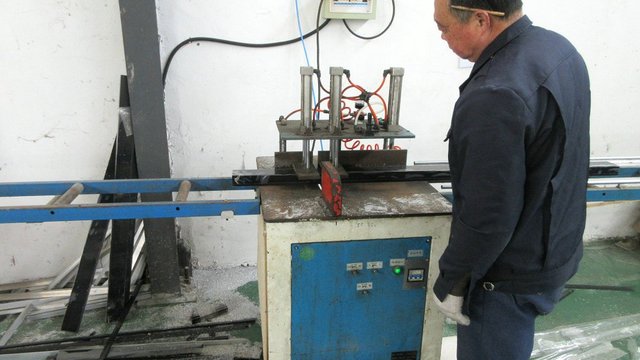
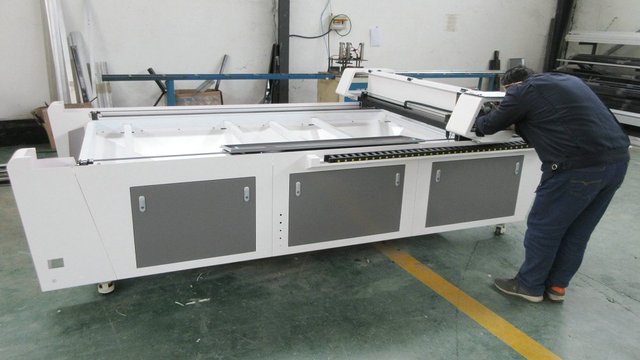
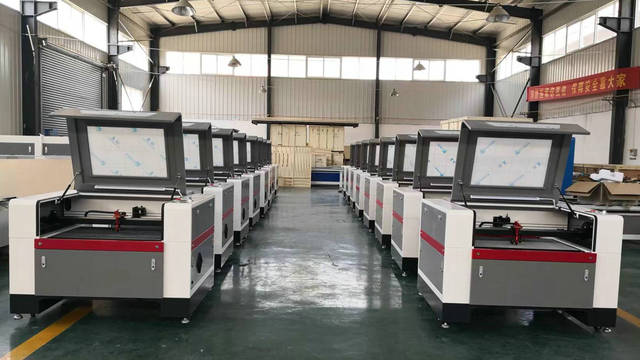
Today, the company operates modern manufacturing facilities equipped with precision optical testing systems, CNC machining centers, and automated assembly lines. Its laser solutions are designed for high-speed operation, deep engraving accuracy, and long-term industrial stability, meeting the strict requirements of global manufacturing industries.
Ningbo STYRL Laser Co., Ltd. continues to serve customers across Europe, Southeast Asia, the Middle East, and South America. With a strong commitment to innovation, quality, and intelligent manufacturing, the company is dedicated to advancing laser technology and providing reliable industrial laser marking and coding solutions for global customers.
The global industrial landscape is shifting toward ultra-precision and sustainable manufacturing. UV Laser Marking Machines have emerged as the gold standard for "cold processing" applications where thermal damage is unacceptable.
Currently, the UV laser marking market is experiencing double-digit growth. As industries like semiconductors, pharmaceuticals, and consumer electronics demand smaller, more complex components, the short wavelength (355nm) of UV lasers allows for a focused spot size that is significantly smaller than infrared lasers. This makes them indispensable in modern smart factories worldwide.
The trend is moving toward Integration and Intelligence. Modern UV laser marking factories are incorporating AI-driven vision systems for automatic defect detection and real-time marking adjustments. Furthermore, the push for "green manufacturing" favors UV lasers due to their low power consumption and lack of consumable waste compared to traditional inkjet coding.
B2B buyers from North America, Europe, and India are increasingly looking for high-reliability systems that can run 24/7. Procurement managers prioritize machines with high pulse stability and low maintenance costs. There is also a rising demand for custom-integrated UV laser units that can be fitted directly into existing automated production lines.
UV lasers are the only choice for marking delicate PCB boards and microchips. They create high-contrast marks without damaging the underlying copper circuitry or delicate substrates through heat dissipation.
From surgical instruments to pill blister packs, UV lasers provide permanent, hygienic, and non-toxic marks. They ensure full traceability in compliance with global health standards like FDA UDI regulations.
For high-density polyethylene (HDPE) and other sensitive plastics, UV lasers change the molecular structure of the surface to create a dark mark, ensuring the integrity of food and beverage containers.
Traditional lasers often crack glass. The 355nm wavelength "cold marks" the glass surface, allowing for beautiful, micro-engraved logos on perfumes, high-end glassware, and even diamonds.
As a leading China-based UV laser marking machine factory, Ningbo STYRL Laser Co., Ltd. offers unique advantages that Western manufacturers often struggle to match:
The "Cold Processing" characteristic of UV lasers is their greatest advantage. Unlike Fiber (1064nm) or CO2 (10600nm) lasers, which rely on thermal energy to melt or burn material, UV lasers use high-energy photons to directly break the chemical bonds within the material. This process, known as photochemical ablation, results in virtually zero heat-affected zone (HAZ).
For an industrial factory, this means:
 STYRL Laser