10 Tips to Enhance Your Laser Marking Speed Effectively?

Time:2026-09-05 Author:Oliver
0%

Laser marking technology is crucial for numerous industries, particularly in manufacturing and product identification. According to a report by MarketsandMarkets, the global laser marking market is projected to reach $5.7 billion by 2025, reflecting a compound annual growth rate (CAGR) of 6.2%. This growth underscores the need for efficiency, particularly in how to improve laser marking speed.

Enhancing laser marking speed not only increases productivity but also impacts overall operational costs. Companies that implement faster marking techniques can significantly boost their output and reduce downtime. For instance, high-speed lasers can mark materials at rates up to 100 inches per second, a notable improvement over traditional methods. However, the challenge lies in balancing speed with quality.

Many businesses struggle with optimizing their laser systems for speed without sacrificing the integrity of the markings. Choosing the right equipment and settings is vital. It's essential to regularly evaluate machine performance and material compatibility. This reflection often reveals inefficiencies that can be addressed. By focusing on these improvements, companies can fully leverage the potential of laser marking technology.
10 Tips to Enhance Your Laser Marking Speed Effectively?

Understanding the Basics of Laser Marking Technologies

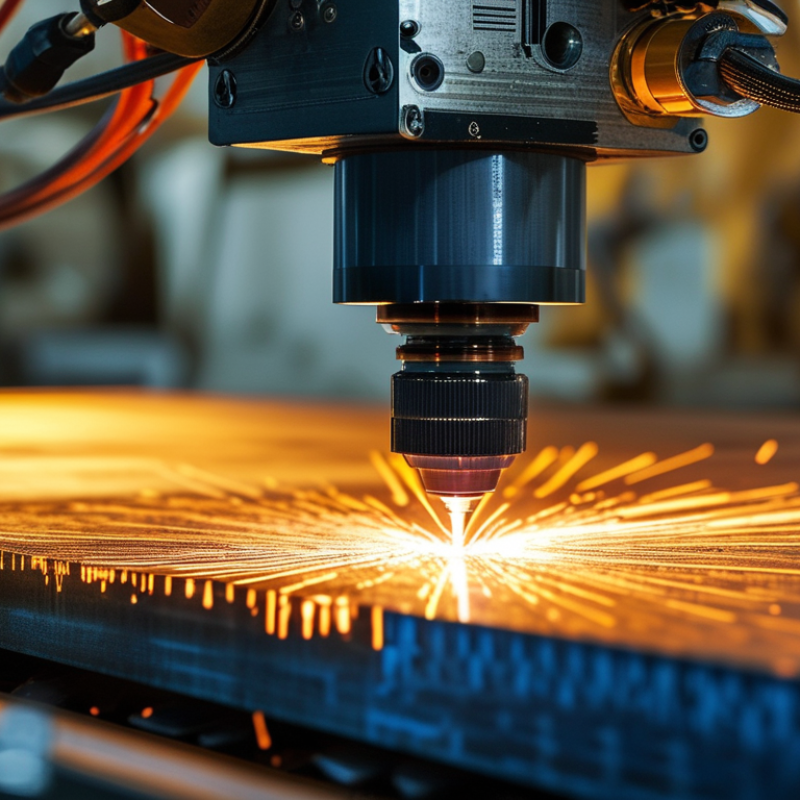
Understanding laser marking technologies is crucial for optimizing performance. Laser marking utilizes focused light beams to engrave or mark various materials. The precision of this technology enables sharp, clear images or text on surfaces like metal, plastic, and glass. Different wavelengths and power levels play a vital role. Increased power can lead to faster marking speeds, but it also risks damaging delicate materials.

To enhance laser marking speed, consider adjusting the focal point of the laser. A closer focus can increase the energy density, resulting in quicker engravings. Additionally, material settings must be fine-tuned. Each material has unique absorption rates. Matching the laser type and settings to the material ensures efficiency.

Another approach is to optimize path planning. Straight lines often yield faster results than complex patterns. Regularly maintaining the laser system is essential. A well-maintained machine operates more efficiently and avoids unexpected downtimes. Experimentation is beneficial, as understanding the interplay of speed, power, and material can lead to improved outcomes. Adjusting your approach may unveil new possibilities for faster and more reliable laser marking.

Identifying Factors Affecting Laser Marking Speed

When considering laser marking speed, several key factors come into play. The type of material being marked significantly influences the speed. Softer materials, like wood and plastics, allow for faster marking than metals. The laser's power settings also determine how quickly it can engrave or mark a surface. Higher power settings often lead to quicker results, but could compromise the quality if not managed carefully.

Another factor is the focus of the laser beam. A well-focused beam can enhance engraving speed and depth. If the focus is off, it may slow down the process or lead to inaccuracies. Furthermore, the pattern complexity affects how fast the laser can operate. Simple designs can be marked quickly, while intricate patterns consume more time. Recognizing these variables can guide operators in adjusting their techniques.

Operational maintenance is vital too. Regularly checking the laser's components ensures optimal performance. If parts are worn out, marking speed diminishes, affecting productivity. Lighting conditions in the workspace can also play a role. Poor lighting may slow down setup and adjustments, leading to delays. Exploring these factors can lead to improved efficiency in laser marking applications.

10 Tips to Enhance Your Laser Marking Speed Effectively

Factor Impact on Speed Recommended Adjustment
Laser Power Higher power leads to faster marking Increase power settings within safe limits
Marking Speed Direct correlation with speed settings Optimize speed settings based on material
Focus Lens Improper focus decreases efficiency Regularly clean and adjust focus
Material Type Different materials absorb energy differently Choose materials compatible with laser
Scanning Strategy Affects travel distance for the laser Experiment with different strategies
Cooling System Overheating can reduce performance Ensure effective cooling
Software Settings Incorrect settings can slow down processes Use optimal software configurations
Machine Calibration Accuracy influences engraving speed Regular machine calibration
Environment External factors can hinder performance Maintain a stable environment
Operator Skill Experience impacts efficiency Provide training for operators

Optimizing Settings for Enhanced Marking Efficiency

Adjusting your laser marking settings can significantly impact speed and efficiency. One crucial factor is the power level. Lower power settings might enhance the speed but could lead to less effective marking. Striking the right balance is essential. Experimenting with different power levels on various materials will help identify the optimal settings specific to your projects.

Another aspect to optimize is the speed of the laser head. Increasing the speed can reduce marking time but may sacrifice quality. Analyzing the results of different speeds and finding a compromise between quality and efficiency is necessary. Keep an eye on the acceleration settings as well; they influence how quickly the laser can adjust to different parts of the design.

Additionally, ensure proper material focus. An unfocused beam can lead to uneven markings, slowing down the process. Taking the time to set up your machine correctly can save time in the long run. While it may seem tedious, regular maintenance checks are vital. They prevent issues that could lead to downtime. Balancing speed and quality might require multiple trials and adjustments, but it’s worth the effort for improved productivity.

Implementing Maintenance Practices for Consistent Performance

Maintaining your laser marking equipment is essential for optimal performance. Regular maintenance extends the lifespan of the machine. Start by cleaning the optics and lenses frequently. Dust and debris can lead to inconsistent marking quality and decreased speed. A dirty lens hampers the laser's focus, affecting precision.

Routine checks on alignment are equally important. Misalignment can cause slower operation and errors in marking. Schedule inspections to ensure the beam is precisely aligned. If misalignment is found, recalibrate the equipment immediately. This proactive approach minimizes downtime and boosts productivity.

Don't overlook software updates either. Keeping your laser marking software current enhances functionality. Sometimes, outdated software can slow down processes due to compatibility issues. Ensure that your team is trained on the latest features. This can help in making the most out of your equipment, allowing for faster operations. Regular maintenance isn't just about preventing breakdowns; it’s about fostering a culture of efficiency.

Exploring Advanced Techniques and Equipment Upgrades

Upgrading your laser marking equipment can significantly improve speed and quality. For instance, a study showed that switching to a fiber laser can enhance marking speed by up to 50%. Fiber lasers have a shorter wavelength, allowing for finer detail and faster processing. This means less downtime and higher throughput for your operations.

In addition to equipment advancements, integrating automation can further boost efficiency. Reports indicate that factories using automated laser marking systems experience a 30% increase in productivity. Automation minimizes human error and optimizes workflow. However, companies often struggle with the initial integration process. It requires training and adjustment to new systems, which can present challenges.

Investing in advanced optics also plays a crucial role in speed. Optics upgrades can improve focus and speed while reducing energy consumption. According to industry data, optimizing optics reduces marking time by approximately 20%. Despite these potential gains, not every upgrade will suit every operation. Businesses must evaluate their specific needs and capabilities before moving forward.

FAQS

: What is laser marking?

: Laser marking uses focused light beams to engrave or mark materials like metal and plastic.

How does laser power affect marking?

Increased power can speed up marking but might damage delicate materials. Balance is key.

What should I adjust for faster laser marking?

Adjusting the focal point can enhance energy density for quicker engravings. Fine-tune material settings as well.

Why is maintenance important for laser systems?

Regular maintenance keeps the machine operating efficiently and reduces unexpected downtimes.

How does automation influence productivity?

Automated laser marking systems can boost productivity by 30%, minimizing human error and enhancing workflow.

Can I upgrade my laser marking equipment?

Yes, upgrades can significantly improve speed and quality, but assess specific needs before proceeding.

What role do optics play in laser marking?

Advanced optics improve focus and speed while decreasing energy use, cutting marking time by around 20%.

Are all upgrades suitable for every operation?

No, not every upgrade fits every business. Evaluate your needs before investing in new technology.

What is the benefit of experimentation in laser marking?

Experimenting with speed, power, and material combinations can lead to improved marking outcomes.

What challenges might I face when integrating automation?

Initial integration may require training and adjustments, posing potential challenges for operators.

Conclusion

In the pursuit of enhancing operational efficiency in laser marking, understanding the underlying technologies is essential. A comprehensive approach starts with identifying the various factors that affect laser marking speed, such as material type and laser power. By optimizing settings for marking efficiency, operators can achieve significant improvements in performance. Implementing regular maintenance practices ensures consistent operation, minimizing downtime and maximizing productivity.

Furthermore, exploring advanced techniques and considering equipment upgrades can lead to substantial gains in marking speed. Learning how to improve laser marking speed not only boosts productivity but also enhances the overall quality of the marking process. By integrating these strategies, businesses can achieve better outcomes while remaining competitive in their respective markets.

Oliver

Oliver

Oliver is a seasoned marketing professional with a wealth of expertise in driving brand awareness and engagement. With a deep understanding of our company's product offerings, he consistently delivers high-quality content that enriches our professional blog. His insights not only shed light on......