What Factors Affect Laser Marking Quality for Buyers?

Time:2026-07-07 Author:Isabella
0%

Laser marking technology has grown significantly, influencing various industries. Understanding what factors affect laser marking quality is crucial for buyers in making informed decisions. Factors like laser wavelength, speed, and material type play an essential role. According to a report by the Laser Institute of America, marking clarity can improve up to 30% with optimal settings.

Expert Mark Johnson, a leading authority on laser applications, states, "The precision of laser marking hinges on technical parameters and operator skill." His insights emphasize the importance of both equipment and user experience in achieving high-quality markings.

Buyers must consider these variables. Poor settings can lead to uneven markings or damage to materials. Investing in the right technology and expertise is vital for maintaining quality. Even minor adjustments can significantly impact the final results, underscoring the need for careful evaluation.
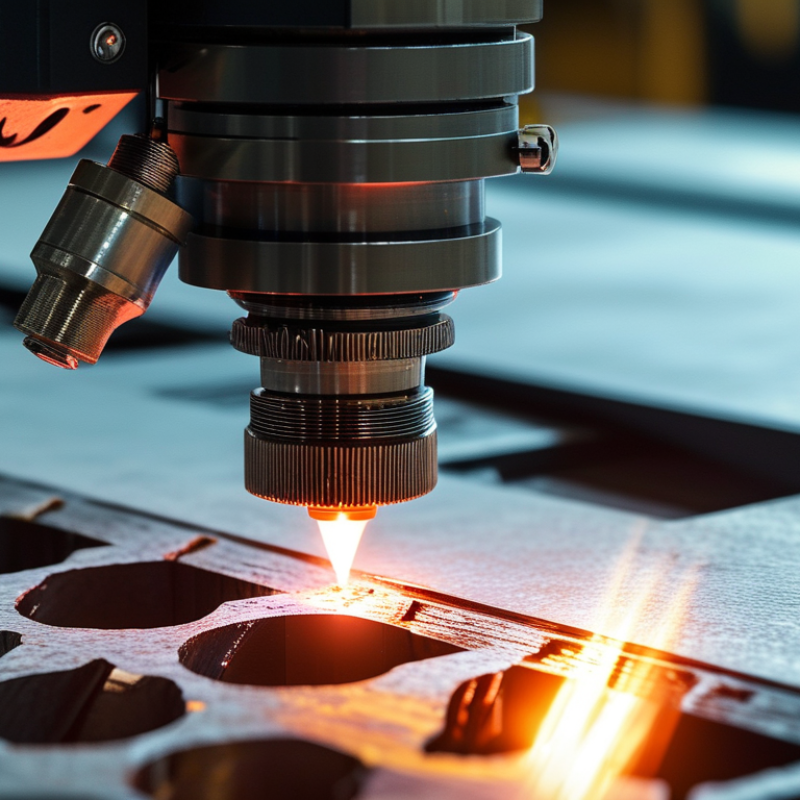
What Factors Affect Laser Marking Quality for Buyers?

Factors Influencing Laser Marking Quality in Various Materials

Laser marking quality varies significantly across different materials. Key factors such as material properties, laser type, and marking parameters play a crucial role. Metals, plastics, and ceramics respond to laser marking differently, impacting the final appearance and durability. For instance, metals typically achieve high contrast and permanence. A study from the International Journal of Advanced Manufacturing Technology indicated that metal lasers can achieve up to 90% effectiveness in marking quality.

Material thickness also matters. Thicker materials often require higher laser power, affecting the engraving depth. A report by the Laser Institute of America highlights that insufficient power can result in shallow marks that fade quickly. Conversely, excessive power can burn the material, leading to uneven textures. The choice of laser wavelength further complicates this equation. CO2 lasers work best on organic materials, while fiber lasers excel on metals and some plastics.

Environmental factors should not be overlooked. Humidity and temperature can influence the marking outcome. Consistent exposure to moisture may cause degradation in plastic markings. Additionally, settings such as speed and frequency should be adjusted for optimal results. A mismatch in these parameters often leads to inconsistencies. Therefore, careful consideration of material-specific needs is essential to achieving high-quality laser markings.

Impact of Laser Power and Speed on Marking Results

Laser marking quality hinges significantly on laser power and speed. Adjusting these parameters can lead to marked differences in results. Higher laser power often produces darker and deeper marks. However, excessive power can lead to burning or distortion of the material. On the other hand, lower power settings might not engrave deeply enough, resulting in faded marks.

Speed is equally important. A faster marking speed reduces the time the laser spends on the material. This often results in lighter marks. Conversely, a slower speed allows the laser to interact more with the surface. This can enhance the mark's clarity but may risk overheating. Finding the right balance is crucial for optimal results.

**Tips:** Experiment with different settings during a test phase. Always keep an eye on the material's reaction. Document various outcomes to refine your approach. Remember that certain materials may need unique adjustments. Understanding your substrate can lead to better laser marking outcomes.

Factors Affecting Laser Marking Quality

Laser Power (W) Marking Speed (mm/s) Material Type Marking Depth (mm) Marking Quality Score (1-10)
10 50 Aluminum 0.1 8
20 30 Stainless Steel 0.2 9
15 40 Plastic 0.05 7
25 20 Wood 0.3 8
5 60 Ceramic 0.15 6

Role of Focus Lens and Beam Quality in Laser Marking Precision

When it comes to laser marking quality, the focus lens plays a crucial role. This lens determines the beam size and shape, directly influencing marking precision. A well-focused beam produces clearer, more consistent marks. On the other hand, an improperly aligned lens can lead to uneven markings and reduced quality. Choosing the right focal length is essential. A short focal length means high precision, but a narrow depth of focus can create challenges.

Beam quality also matters significantly in laser marking. High-quality beams produce tighter spots, resulting in sharper images. Poor beam quality may cause a diffused spot, leading to fuzziness in the mark. It’s important to understand that achieving optimal beam quality requires regular maintenance of the laser system. While many users may overlook this, neglecting maintenance can result in unpredicted variations.

Experience shows that both factors are interconnected. A superior focus lens enhances beam quality, but only if both are correctly configured. Users can sometimes ignore fine-tuning, affecting their end results. Reflecting on these aspects helps buyers navigate the complexities of laser marking processes.

Impact of Focus Lens Quality and Beam Quality on Laser Marking Precision

Effects of Environmental Conditions on Laser Marking Consistency

Environmental conditions significantly influence the quality of laser marking. Factors such as temperature, humidity, and dust can alter the marking consistency. For instance, high humidity can lead to condensation on surfaces, which affects adhesion. This can result in unclear markings or inconsistent finishes.

Dust and particulates in the air can also obstruct the laser beam. A clean workspace is crucial to minimize this impact. Contaminants on materials can lead to uneven color and depth. A poorly prepared surface might not absorb laser energy well, compromising the final result.

Moreover, temperature fluctuations can affect the materials being marked. Some plastics may warp or soften if heated too much, causing distortion. Laser systems require precise calibration to adapt to different settings. Evaluating these environmental factors prior to marking can enhance the final product's quality. Keeping a close watch on such details can prevent future issues and facilitate better results.

Importance of Material Type and Surface Characteristics in Laser Marking

When considering laser marking quality, the type of material and its surface characteristics are paramount. Different materials react uniquely to laser energy. For instance, metals often provide high contrast, while plastics can vary widely in their responses. A stainless steel surface can yield precise and durable markings. However, untreated plastics may absorb heat improperly, leading to undesirable effects like melting or discoloration.

Surface characteristics also play a critical role. Textures, finishes, and coatings all influence the marking process. Smooth surfaces typically allow laser beams to produce clean, sharp lines. Conversely, uneven or rough surfaces can cause scattering of the laser beam, resulting in inconsistent markings. This variability can lead to issues in readability and durability.

Buyers may overlook how the intended application impacts material choice. For example, items exposed to harsh environments require robust marking solutions. Simultaneously, aesthetic considerations, such as gloss levels, can affect visibility. These factors illustrate the complexity of achieving high-quality laser markings and suggest a need for careful exploration in choosing the right material and surface type. Addressing these considerations is essential for ensuring optimal results in laser marking projects.

FAQS

: How do environmental conditions affect laser marking quality?

: Environmental factors like temperature, humidity, and dust significantly alter marking consistency. High humidity can cause condensation, leading to unclear markings.

What happens if there’s too much dust in the workspace?

Dust obstructs the laser beam. A clean workspace is vital for maintaining clarity and consistency in the markings.

How can surface preparation impact laser marking?

Poorly prepared surfaces may not absorb laser energy well. This compromise can result in uneven color and depth in markings.

What are the effects of temperature fluctuations on materials?

Temperature changes can warp or soften certain plastics. Distortion may occur if they are heated too much during marking.

Why is material type important for laser marking?

Different materials react uniquely to lasers. Metals often yield sharp, durable markings, while untreated plastics may melt or discolor.

How do surface characteristics influence the marking process?

Smooth surfaces allow for clean lines, while rough surfaces scatter the beam, leading to inconsistent markings.

Should buyers consider the application of materials in laser marking?

Yes, items under harsh conditions need robust markings. Aesthetic aspects like gloss can also affect visibility.

How does calibration affect laser performance?

Laser systems need precise calibration to adapt to different environmental settings. Proper calibration enhances the quality of the final product.

What should be monitored to ensure high-quality laser markings?

Attention to environmental factors, material type, and surface characteristics can prevent future issues and improve results.

What reflection can be made on achieving quality in laser marking?

Achieving high-quality results requires careful exploration of materials and conditions, often revealing overlooked complexities in the process.

Conclusion

When considering what factors affect laser marking quality, several key elements come into play. The type of material being marked and its surface characteristics significantly influence the outcome. Different materials react variably to laser energy, affecting the depth and clarity of marks produced. Additionally, the power and speed settings of the laser are critically important; higher power can achieve deeper marks, while speed can determine the level of precision and detail.

Moreover, the focus lens and overall beam quality are essential for achieving high precision in marking. A well-focused beam ensures that the energy is concentrated on a specific area, enhancing the marking quality. Environmental conditions, such as humidity and temperature, can also affect laser marking consistency, as they may alter the material's properties during the marking process. Understanding these factors allows buyers to optimize their laser marking systems for superior results.

Isabella

Isabella

Isabella is a dedicated marketing professional with a sharp focus on driving brand growth and engagement through strategic content creation. With an extensive background in digital marketing, she combines her passion for storytelling with her keen understanding of industry trends to deliver......