What Industries Rely on Laser Marking Machines for Applications?

Time:2026-08-16 Author:Liam
0%

Laser marking machines play a vital role in various industries, providing precise and durable marking solutions. Understanding what industries use laser marking machines helps businesses recognize their potential applications. These machines utilize focused laser beams to engrave or print information on different materials. This process is reliable, efficient, and eco-friendly.

Manufacturers in automotive, aerospace, and electronics greatly depend on laser marking technology. For instance, automotive parts often require serial numbers or barcodes. Laser marking ensures readability and longevity, even under harsh conditions. The electronics sector also benefits from this technology. Circuit boards need clear markings for traceability, and laser marking fulfills this need.

Additionally, the medical device industry extensively utilizes laser marking for compliance and safety. Medical instruments must have permanent labels that withstand sterilization processes. As companies explore more applications, they may overlook some details. It’s crucial to assess material compatibility and production speed during the marking process. Understanding what industries use laser marking machines can guide improvements in production and labeling strategies.
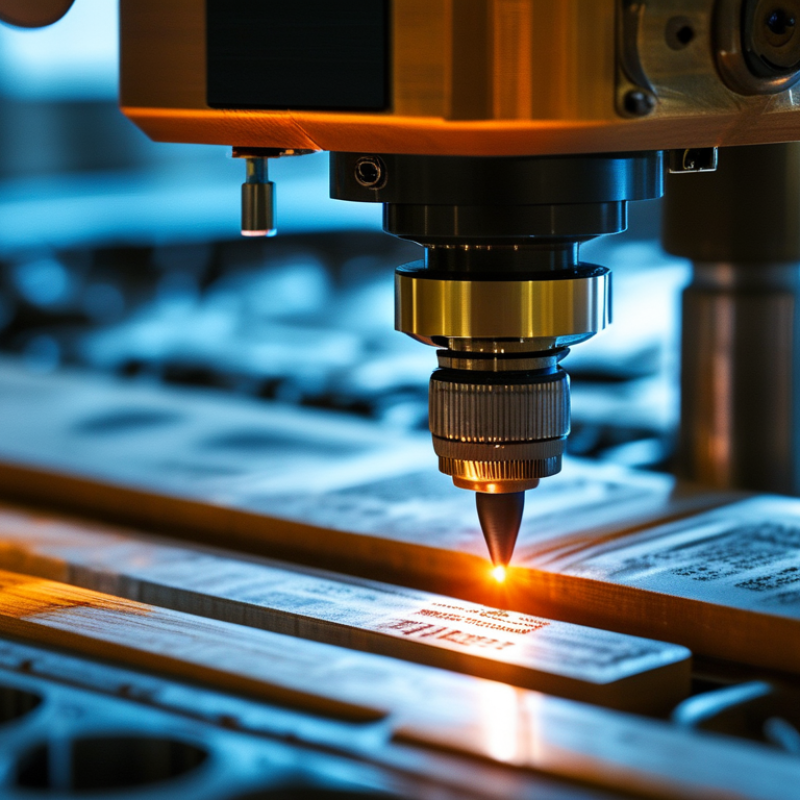
What Industries Rely on Laser Marking Machines for Applications?

Industries Utilizing Laser Marking Machines: An Overview

Laser marking machines have become essential in various industries due to their precision and efficiency. Industries such as automotive, electronics, and aerospace are at the forefront of adopting this technology. According to a recent market report, the laser marking market is projected to grow by 7.5% annually, driven by the demand for high-speed marking solutions.

In the automotive sector, laser marking ensures compliance with regulations by permanently marking parts with identification numbers. This process enhances traceability and helps in quality control. Similarly, the electronics industry uses laser marking for labeling components, which is critical for both assembly and maintenance.

Tip: Always consider the material when choosing a laser marking technique. Different materials react differently to lasers.

Aerospace manufacturers utilize laser marking to meet strict safety standards. This technology allows for accurate markings on components that must withstand extreme conditions. However, the initial investment costs can be high, and skillful operation is necessary to avoid mistakes.

Tip: Regular training can prevent costly errors. Understanding machine capabilities is vital for maximizing productivity.

Manufacturing Sector: Precision and Quality Control

In the manufacturing sector, precision and quality control are vital. Laser marking machines play a critical role in achieving these goals. They can engrave intricate details on various materials, ensuring that products meet strict specifications. This process reduces errors that can result from manual labeling. The accuracy of laser marking creates reliable identification for parts and products.

Companies often face challenges in maintaining consistent quality. Variations in product labeling can lead to confusion in assembly lines. Laser marking machines help eliminate these issues. They provide clear, permanent marks that withstand environmental stressors. A well-marked product is easier to trace and manage, significantly improving operational efficiency.

However, reliance on technology brings its own challenges. Despite advancements, not all materials respond similarly to laser marking. Some may need additional preparation, leading to delays. Manufacturers must regularly assess their marking processes. Continuous improvement is essential to keep up with evolving standards in the industry. Regular feedback from operators can help refine techniques, ensuring high-quality outcomes.

Electronics Industry: Identification and Traceability Applications

The electronics industry significantly depends on laser marking machines for identification and traceability applications. These machines enable precise marking of components with necessary information, such as serial numbers and barcodes. A study by MarketsandMarkets reported that the global market for laser marking technology is expected to grow at a CAGR of 6.7% from 2021 to 2026. This growth highlights the increasing value placed on accurate identification in electronics.

Effective traceability is crucial for both manufacturers and consumers. In a world where millions of devices are produced, the ability to track the origin and lifecycle of each component is paramount. The electronics sector often deals with extensive supply chains. A report by Deloitte indicated that 70% of electronics companies are investing in traceability systems. These investments aim to enhance safety and reduce counterfeit risks.

However, challenges persist. Some manufacturers struggle with system integration and the cost of advanced marking technology. Inconsistent marking quality can lead to production delays and increased expenditures. Continuous improvement in the marking process is essential. Businesses must focus not only on technology but also on training employees to maximize the benefits of laser marking systems.

Medical Field: Ensuring Compliance and Safety Standards

In the medical field, laser marking machines play a crucial role in ensuring compliance and safety standards. These machines are essential for marking surgical instruments, implantable devices, and other medical equipment. The precise markings help identify products, ensuring traceability and safety. The process minimizes human error and guarantees that each item meets regulatory requirements.

Tips: Always prioritize quality when selecting marking equipment. Check that your laser machine can handle the specific materials used in your medical devices. Remember, consistent marking reduces the risk of misidentification.

Additionally, laser marking machines can withstand sterilization processes without damaging the markings. This durability is vital in maintaining proper standards in hospitals and clinics. However, the integration of new technologies can pose challenges. Staff may need training to operate these advanced systems effectively.

Tips: Consider ongoing education for your team. Staying updated on the latest technologies will improve efficiency. Regularly review your compliance practices to ensure they meet evolving regulations.

Industries Relying on Laser Marking Machines

This chart illustrates the percentage of various industries that utilize laser marking machines, highlighting their importance in ensuring compliance and safety standards, especially in the medical field.

Packaging Industry: Enhancing Branding and Product Information

The packaging industry is rapidly embracing laser marking technology. This shift enhances branding and provides essential product information. According to a recent market report, the global laser marking market is expected to grow at a CAGR of 5.3% from 2021 to 2026. This growth highlights the increasing reliance on laser marking for high-quality packaging solutions.

Laser marking offers precise, permanent marks that enhance product traceability. Many manufacturers see benefits in using this technology for barcodes and expiration dates. A well-placed mark can elevate a brand's visibility on crowded shelves. However, the adoption of laser marking isn't without challenges. Some companies feel uncertain about the initial investment and maintenance costs.

As companies aim to comply with stricter regulations, laser marking becomes crucial. Enhanced product information contributes to consumer safety and brand trust. Research indicates that consumers are more likely to choose products with clear labeling. Balancing high-quality marking with cost-efficiency remains a point for ongoing reflection within the packaging sector.

Automotive Sector: Streamlining Production and Customization Processes

In the automotive sector, laser marking machines play a crucial role in enhancing production quality and efficiency. These machines enable precise marking on various materials, such as metals and plastics. Additionally, they facilitate customization options, which are increasingly demanded by consumers. A recent report indicates that about 70% of automotive manufacturers are integrating laser marking to improve their branding and product identification processes.

The ability of laser technology to create permanent markings ensures compliance with industry standards. For instance, part identification codes, safety warnings, and traceability information can be efficiently produced. This practice not only reinforces safety but also enhances supply chain management. However, the integration process can be challenging. There may be initial costs and technical training that need to be addressed. Reports suggest that around 30% of manufacturers face hurdles during the transition to laser marking systems.

Moreover, this technology brings about concerns regarding maintenance and operational downtime. Although it minimizes human error, equipment failure can disrupt production. Consequently, businesses must evaluate their operational capabilities and readiness for such technology. The benefits of laser marking are clear; however, careful planning is essential to overcome potential obstacles in adoption and utilization. This reflective approach is necessary for effective implementation in the automotive industry.

What Industries Rely on Laser Marking Machines for Applications? - Automotive Sector: Streamlining Production and Customization Processes

Application Industry Use Case Benefits of Laser Marking Material Types
Part Identification Automotive Components Increased traceability and reducing errors Metal, Plastic
Custom Branding Vehicle Exteriors Enhancing brand visibility and aesthetics Painted Surfaces, Alloys
Safety Markings Dashboards and Controls Improved safety through clear guidance Plastics, Composite Materials
Laser Engraving Interior Components High precision and detail for interior design Wood, Leather, Plastics
QR Code Marking Vehicle Parts and Accessories Easy scanning for inventory and maintenance Metal, Plastic

FAQS

: What industries use laser marking machines?

: Industries such as automotive, electronics, aerospace, and packaging widely utilize laser marking machines for their precision.

Why is laser marking important in the automotive industry?

It ensures compliance by marking parts with ID numbers, enhancing traceability and improving quality control.

How does the electronics industry benefit from laser marking?

Laser marking labels components for assembly and maintenance, making identification easier and more effective.

What challenges does the aerospace sector face with laser marking?

High initial costs and the need for skilled operation can lead to mistakes, which requires careful management.

How does laser marking enhance branding in packaging?

It provides precise marks for barcodes and expiration dates, improving visibility and traceability for consumers.

Why are companies hesitant to adopt laser marking technologies?

Uncertainty about initial investment and maintenance costs can make some companies reluctant to implement this technology.

What role do training and understanding machine capabilities play?

Regular training helps prevent costly errors and ensures productivity is maximized through proper equipment usage.

How does laser marking contribute to consumer safety?

Clear labeling provides essential product information, which can enhance trust and inform consumer choices.

What is the projected growth for the laser marking market?

The laser marking market is expected to grow by 7.5% annually, showing increasing demand across various sectors.

What should manufacturers consider when choosing a laser marking technique?

They should consider the material, as different materials react differently to laser marking processes.

Conclusion

Laser marking machines are essential tools utilized across various sectors due to their precision and versatility. The manufacturing sector relies on these machines for meticulous quality control, ensuring that products meet stringent specifications. In the electronics industry, laser marking is crucial for identification and traceability, allowing for effective inventory management and compliance with regulations.

Healthcare professionals benefit from laser marking to maintain compliance and safety standards for medical devices, enhancing patient safety. The packaging industry employs these machines to improve branding and provide critical product information, leading to better consumer engagement. Finally, in the automotive sector, laser marking streamlines production processes and enables customization, enhancing both efficiency and customer satisfaction. Overall, understanding what industries use laser marking machines highlights their importance in advancing operational excellence across diverse fields.

Liam

Liam

Liam is a dedicated marketing professional with a profound expertise in the industry, where he excels at highlighting the unique advantages of our core products. With a keen understanding of market trends and consumer needs, Liam frequently updates our company’s professional blog, providing......