In today's manufacturing landscape, businesses are increasingly asking, "Is laser marking permanent?" This question drives decisions about branding, traceability, and product durability. According to Dr. Emily Richards, an expert in laser technology, “Laser marking often lasts the lifetime of the product, but its permanence can vary.” Her insights reflect common concerns among companies regarding the longevity of this marking process.
Many industries rely on laser marking due to its precision and speed. However, the permanence of these marks can depend on several factors. The material being marked plays a crucial role. For instance, metals may exhibit a longer-lasting mark compared to plastics. Additionally, environmental conditions such as exposure to chemicals or extreme temperatures can impact the durability of the marking.
This variability introduces an element of uncertainty. Businesses must consider their specific needs, particularly if they require marks that withstand harsh conditions. In some cases, temporary markings might offer a flexible solution. Understanding “is laser marking permanent” is essential for making informed decisions. Therefore, evaluating materials and applications is vital to ensure the markings meet your business’s expectations.
Understanding Laser Marking: Definition and Technology Overview
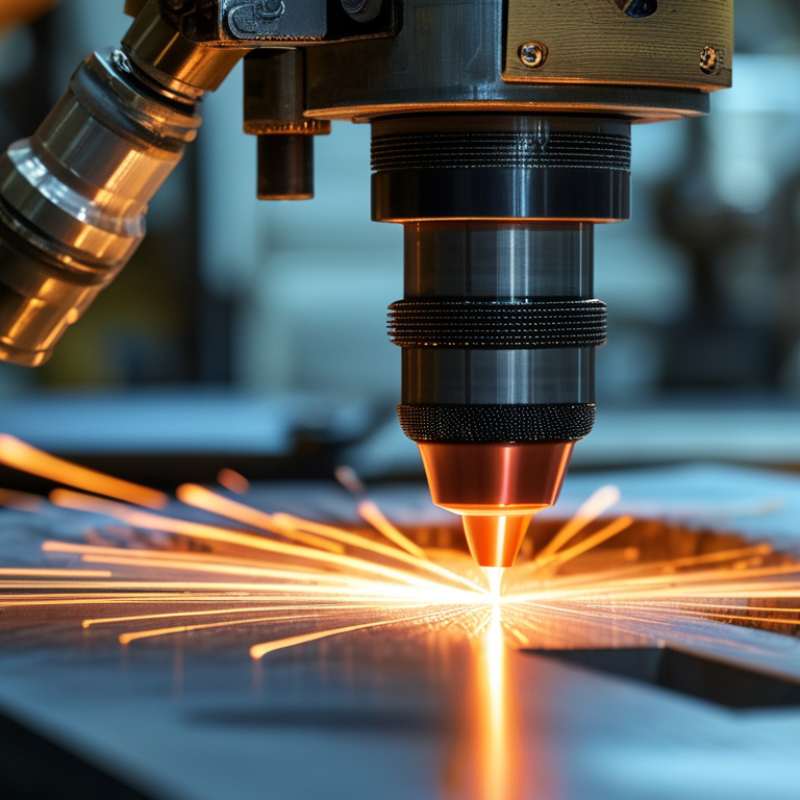
Laser marking is a revolutionary technology that creates permanent markings on various materials. This process uses concentrated light beams to engrave or etch designs, logos, or information directly onto surfaces. It’s widely adopted in industries such as manufacturing, automotive, and electronics due to its precision and durability. According to market research by MarketsandMarkets, the laser marking industry is projected to grow by over 6.5% annually until 2027. This growth is largely fueled by the demand for high-quality, permanent markings in product traceability.
With laser marking, businesses can achieve superior results compared to traditional marking methods. The complexity of designs can be handled with ease, allowing for intricate details in logos and barcodes. The markings endure a range of conditions, ensuring longevity. However, some materials may react unpredictably to laser exposure, necessitating careful material selection. Businesses must also regularly assess their marking processes to ensure consistency and reliability.
**Tip:** Always test laser settings on a sample before full production to prevent undesirable outcomes. Calibration of the laser for different materials is crucial.
Moreover, maintenance of laser equipment is essential to keep up quality standards. Regular inspections and updates can prevent unexpected downtime. Understanding these nuances helps businesses prevent costly mistakes and maintain brand integrity, keeping in mind that not all processes are flawless. Reflecting on outcomes helps refine methods for better results.
Types of Laser Marking: CO2, Fiber, and YAG Lasers Explained
Laser marking offers a reliable solution for permanent product identification. Different types of lasers serve various materials and industries, making it essential to understand the unique benefits of each type. CO2 lasers, commonly used for non-metal materials like wood, plastic, and glass, produce high-quality marks. They excel at engraving intricate designs and text, ensuring a sleek finish.
Fiber lasers, on the other hand, are ideal for metals and some plastics. They provide exceptional precision and speed, making them a preferred choice for high-volume production. Their ability to produce deep marks with minimal heat makes them attractive for various applications. Yet, the initial investment can be steep, leading many businesses to weigh the cost against long-term benefits.
YAG lasers, though less common, have their place in specialized applications. They work well with materials requiring minimal heat-affected zones. However, finding qualified operators and maintaining these systems can be challenging. As businesses evaluate their marking needs, each laser type brings specific strengths and potential drawbacks. Understanding these nuances is crucial for making informed decisions.
Durability Comparison: Laser Marking vs. Other Marking Methods
Laser marking is increasingly favored in various industries for its durability compared to traditional marking methods. A report by the Laser Institute of America highlights that laser markings can last for over ten years under extreme conditions. This longevity is a significant advantage for businesses that require reliable identification on products.
In contrast, methods like ink printing or labeling typically fade or wear off within a year. The average lifespan of these alternatives can be as short as six months, depending on exposure to elements. For example, labels often peel or fade in high-heat environments. This inconsistency may result in increased costs for re-marking.
Tips: Consider the environment your products will face. If they are exposed to harsh chemicals or UV rays, laser marking may be your best option. Regularly assess your marking methods for effectiveness. This can save time and resources in the long run. The clarity and precision of laser markings also contribute to brand integrity, making them a worthwhile investment.
Factors Influencing Permanence: Material, Environment, and Application
Laser marking can be a great solution for businesses seeking permanence. However, various factors influence how permanent these markings will be over time.
Material type plays a crucial role. For instance, metals often retain marks longer than plastics. Some plastics may fade or wear off when exposed to harsh treatments. Understanding your material can help you choose the right marking process.
Environment also impacts permanence. Markings made in controlled conditions may last longer than those in harsher environments. Temperature fluctuations, exposure to chemicals, and UV light can all degrade laser markings. Businesses should assess the conditions their products will face. This will help ensure that the markings remain clear and legible.
Tip: Always test your marking on sample materials first. This allows you to evaluate how effective the marking is under real-world conditions.
Application is equally important. If the marking needs to withstand heavy abrasion, a specific technique like deep engraving might be necessary.
This adds more durability compared to surface-level marks. Businesses must consider their specific needs.
Tip: Consult with a marking expert to help determine the best approach for your application. They can provide insights into which material and environmental conditions are essential for lasting marks.
Industry Applications: How Businesses Utilize Laser Marking for Longevity
Laser marking has gained traction across various industries for its ability to provide durable and permanent identification solutions. In sectors such as manufacturing, electronics, and medical devices, the demand for reliable marking techniques is rising. According to a comprehensive market analysis, the global laser marking market is projected to reach $4 billion by 2026, reflecting a 6% annual growth rate. This indicates that businesses are increasingly investing in technologies that ensure longevity.
One of the standout applications is within the automotive industry. Here, laser marking is used to inscribe intricate details on parts and components. These marks withstand harsh environments, including heat and corrosion. A report by the Laser Institute of America highlighted that laser-marked parts have a longer lifespan compared to those using traditional ink or labels. However, challenges persist. For instance, if surfaces are not prepped correctly, the laser mark may not adhere as intended.
In the medical field, tamper-proof markings are crucial for compliance and traceability. Laser marking provides an edge, as it leaves no residue and offers precise information without degrading over time. Yet, some businesses still struggle with cost versus benefit analysis when considering initial investments. It’s essential to weigh these decisions carefully, as the long-term value often outweighs upfront costs.
FAQS
: Laser marking is used for permanent product identification across various industries.
CO2 lasers excel at marking non-metal materials like wood, plastic, and glass.
Fiber lasers are preferred for metals and some plastics due to their speed and precision.
YAG lasers require qualified operators and maintenance, making them less common for businesses.
It inscribes durable details on parts, enduring harsh conditions without degrading.
Many weigh initial investments against long-term benefits for durability and effectiveness.
They ensure compliance and traceability, leaving no residue and offering long-lasting information.
The laser mark may not adhere properly, reducing effectiveness and longevity.
Each laser type has specific strengths and weaknesses, affecting marking decisions and outcomes.
Yes, some businesses struggle with the cost versus benefits, needing careful analysis.
Conclusion
The article titled "Is Laser Marking Permanent for Your Business Needs?" delves into the definition and technology behind laser marking, providing a comprehensive overview of its various types, including CO2, Fiber, and YAG lasers. It emphasizes the durability of laser marking, comparing it to other marking methods and exploring the factors that influence its permanence, such as the material used, environmental conditions, and specific application needs.
Moreover, the discussion highlights industry applications, showcasing how businesses leverage laser marking for long-lasting results. Ultimately, the article answers the pivotal question: "is laser marking permanent?" by outlining its strengths in durability and suitability across various industrial sectors, affirming its position as a reliable marking solution for businesses aiming for longevity.

 STYRL Laser