Laser Marking vs Engraving Top 5 Differences You Should Know?

Time:2026-04-14 Author:Madeline
0%

Laser marking and engraving are vital techniques in various industries, from manufacturing to customization. Understanding what is the difference between laser marking and engraving can significantly impact product quality and brand reputation. According to a recent industry report by MarketsandMarkets, the laser marking and engraving market is projected to reach $6.56 billion by 2025, indicating a growing demand for these processes.

Laser marking alters the surface of materials, creating a lasting mark. It’s ideal for product identification and barcodes. Meanwhile, engraving removes material to create deeper designs. This technique is often used for decorative purposes. The decision between the two methods can affect both cost and durability. Some businesses struggle to choose the best option for their needs, leading to wasted resources and time.

Ultimately, the choice hinges on the desired outcome. Companies must weigh factors like depth, contrast, and application. A lack of clarity in this decision-making process can result in less-than-optimal product performance. Thus, a clear understanding of these differences is crucial for effective material processing.
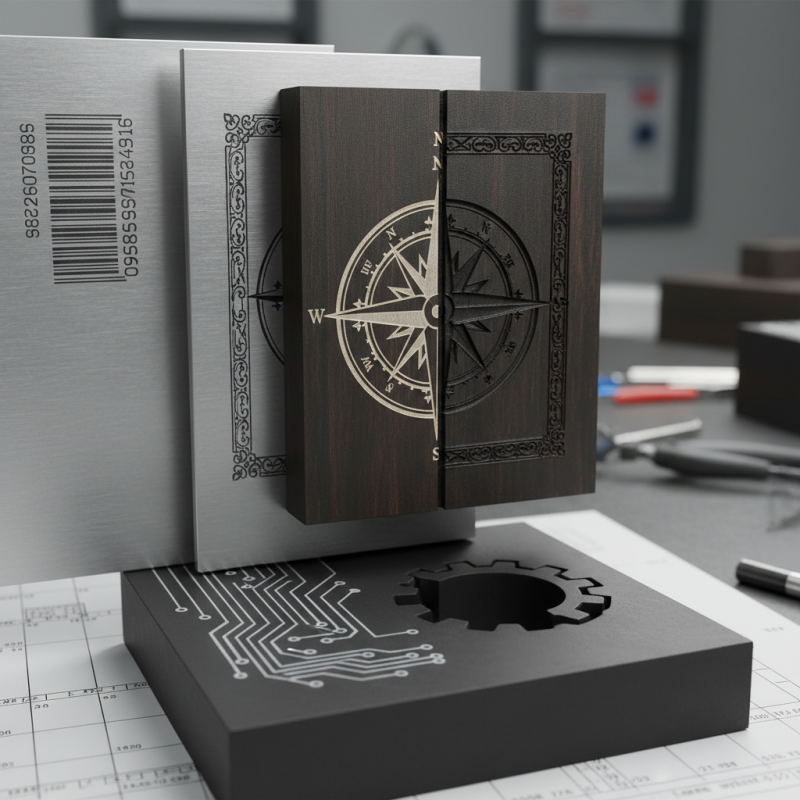
Laser Marking vs Engraving Top 5 Differences You Should Know?

Understanding the Basics: Definitions of Laser Marking and Engraving

Laser marking and engraving are two prevalent techniques in industrial applications. Understanding the difference between them is crucial for making informed choices. Laser marking involves altering the surface of materials, creating a mark that is typically shallow. The process relies on laser energy to change the color or texture of the surface. According to a recent industry report, laser marking can enhance product traceability and brand visibility.

On the other hand, engraving is about deeper material removal. The laser penetrates through the surface, resulting in a permanent design or inscription. Research indicates that engraving provides a more durable and tactile finish, ideal for items like jewelry and awards. The choice between marking and engraving often hinges on the desired depth, permanence, and aesthetic quality.

Tip: When considering a project, first analyze the material. Different substrates respond uniquely to laser processes. Be mindful of your desired outcome. Experimenting with both methods on a sample piece can provide insights. Always check for potential limitations in your specific applications.

Key Techniques: How Laser Marking Differs from Engraving

Laser marking and engraving are often confused, but they serve distinct purposes. Understanding these differences is crucial for businesses involved in product customization and identification. Laser marking creates a permanent mark on the surface layer of the material. It utilizes heat to alter the color or texture, allowing for clear and precise designs. This technique is popular for barcodes, logos, and texts on various materials.

In contrast, engraving removes material by vaporizing it with a laser beam. This results in a deeper design that can withstand wear and tear. Engraving is ideal for items like trophies, jewelry, and tools, where durability is crucial. While both methods are precise, their applications vary significantly. Marking tends to be faster and often cheaper, while engraving requires more time and skill. As you explore these options, consider your project's specific requirements. Each method has its own set of advantages and limitations, making it essential to choose the right one for your needs.

Laser Marking vs Engraving: Top 5 Differences

This chart illustrates the key differences between laser marking and laser engraving across five important attributes, providing a quick comparison of their respective performance metrics.

Material Compatibility: What Surfaces Work Best for Each Process

When comparing laser marking and engraving, material compatibility plays a crucial role. Laser marking is adept at working with metals, plastics, and ceramics. It creates a permanent mark on the surface without altering the material significantly. This process is ideal for metals like aluminum and stainless steel, which respond well to laser technology. On the other hand, laser engraving is more invasive. It removes material to create deeper impressions. It is best suited for softer materials like wood, glass, and certain plastics.

The choice between these methods often reflects the desired outcome. For instance, engraving on wood shows rich detail but may burn the surface if not done correctly. Additionally, glass engraving offers stunning visuals, yet it requires precision to avoid cracking. Each material has its nuances. Some may react negatively to heat or pressure, affecting the final product. Experimentation is essential. Testing on samples ensures the process meets expectations. Understanding these material characteristics helps in making informed decisions.

Laser Marking vs Engraving: Top 5 Differences You Should Know

Dimension Laser Marking Engraving
Process Type Surface alteration Material removal
Depth of Marking Shallow (Microns) Deep (0.1 to 3 mm)
Speed Faster processing Slower due to depth
Material Compatibility Metals, plastics, wood Hard metals, stone, glass
Finish Quality High-contrast marks Textured, tactile finish

Durability and Longevity: Comparing the Two Methods

When considering durability and longevity, laser marking and engraving showcase distinct advantages. Laser marking is a surface-level alteration that creates a mark without removing material. This method often results in a more precise design. It can withstand harsh environments, making it suitable for many applications. However, due to its superficial nature, the marks may wear off over time, especially under heavy abrasion.

Engraving involves removing material to create a deeper mark. This method yields superior durability. Engraved marks can withstand extreme conditions and intensive use. They resist fading, making them ideal for items subjected to frequent handling. However, this technique can sometimes lead to unintended damage if not executed properly. Overzealous engraving can compromise the integrity of the base material.

Both methods have their respective benefits and drawbacks. Businesses must weigh these factors when choosing between them. Understanding the specific needs of the application is crucial. Think about how exposed the item will be to wear and tear. Making an informed choice ensures the longevity of the mark, ultimately affecting the product's appeal and effectiveness.

Applications and Use Cases: When to Choose Marking Over Engraving

When considering laser marking and engraving, understanding their applications is crucial. Laser marking works well for creating high-contrast designs on various surfaces. It is often used for labeling products, including barcodes and logos. The process is fast and cost-effective, making it suitable for mass production. Industries like electronics frequently use marking to identify components without altering their function.

In contrast, engraving provides deeper, more permanent designs. This is ideal for items needing durability, such as trophies and jewelry. Engraving can produce high-resolution details that stand the test of time. Laser engraving is commonly used in promotional items, where a personal touch matters. The choice between marking and engraving depends on your specific needs. If you require a temporary solution, marking is your best bet. Engraving is a long-term investment with lasting impact. Each method has its strengths and weaknesses, and understanding these nuances will help you make informed decisions.

FAQS

: What is the main difference between laser marking and engraving?

: Laser marking alters the surface with shallow marks, while engraving removes material for deeper, permanent designs.

What materials are suitable for laser marking?

Laser marking works well on metals, plastics, and ceramics, providing permanent surface marks.

What surfaces are best for laser engraving?

Engraving suits softer materials such as wood, glass, and certain plastics for detailed impressions.

How can one ensure the best results with laser processes?

Testing on sample pieces helps understand material responses and optimizes the chosen laser method.

What should you be careful of when engraving wood?

Wood engraving may result in burning if not managed properly. Precision is essential to avoid damage.

Can laser engraving be done on glass?

Yes, glass engraving can create stunning visuals, but requires precision to prevent cracking.

Why is material compatibility important in laser processes?

Different materials respond uniquely, affecting the final quality and appearance of the design.

What is a common issue when starting with laser marking?

Unforeseen material reactions to heat or pressure can impact the marking process and outcome.

How does experimenting with both methods help?

Experimentation provides insights into how different materials behave, refining your approach for better results.

What is an important consideration before starting a laser project?

Analyzing material properties and desired outcomes can guide your choice between marking and engraving.

Conclusion

In exploring "what is the difference between laser marking and engraving," it's essential to understand the definitions and techniques of both processes. Laser marking involves altering the surface of a material to create a design or text, often resulting in a more superficial finish, while engraving is a deeper action that physically removes material to create an indented design. The choice between these methods also hinges on material compatibility; for instance, certain surfaces yield better results with marking or engraving depending on their properties.

Additionally, durability and longevity play critical roles in this decision. Engraved designs typically last longer and withstand wear better than marked surfaces. Various applications exist for both techniques: laser marking is often preferred for items needing barcodes or serial numbers, whereas engraving is favored for personalized gifts and intricate designs. Understanding these distinctions can help in selecting the right method for your specific project needs.

Madeline

Madeline

Madeline is a dedicated marketing professional with a wealth of expertise in our company's core offerings. With a keen understanding of the industry, she brings a unique perspective to her role, consistently delivering high-quality content that highlights the superior aspects of our products. As......