As we enter 2026, industries worldwide are witnessing remarkable advancements in laser processing technology. Companies are eager to understand what are the latest trends in laser processing technology that could enhance their manufacturing capabilities. The fusion of precision and efficiency in laser applications not only streamlines production but also reduces waste. Amid evolving demands, it's crucial to explore how these trends integrate automation and artificial intelligence.
Innovations in laser sources are more efficient than ever. The rise of fiber lasers, for example, showcases superior cutting speeds and energy savings. Additionally, these lasers can process various materials, meeting diverse needs across industries. This versatility drives a competitive edge, but it also raises questions about sustainability and resource allocation.
Moreover, the adaptability of laser processing greatly impacts design thinking. Rapid prototyping and customization are at the forefront. Yet, reliance on these technologies has its drawbacks. Companies must balance innovation with practical considerations, including costs and training. Reflecting on these trends allows businesses to harness the full potential of laser processing while addressing the challenges that accompany them.
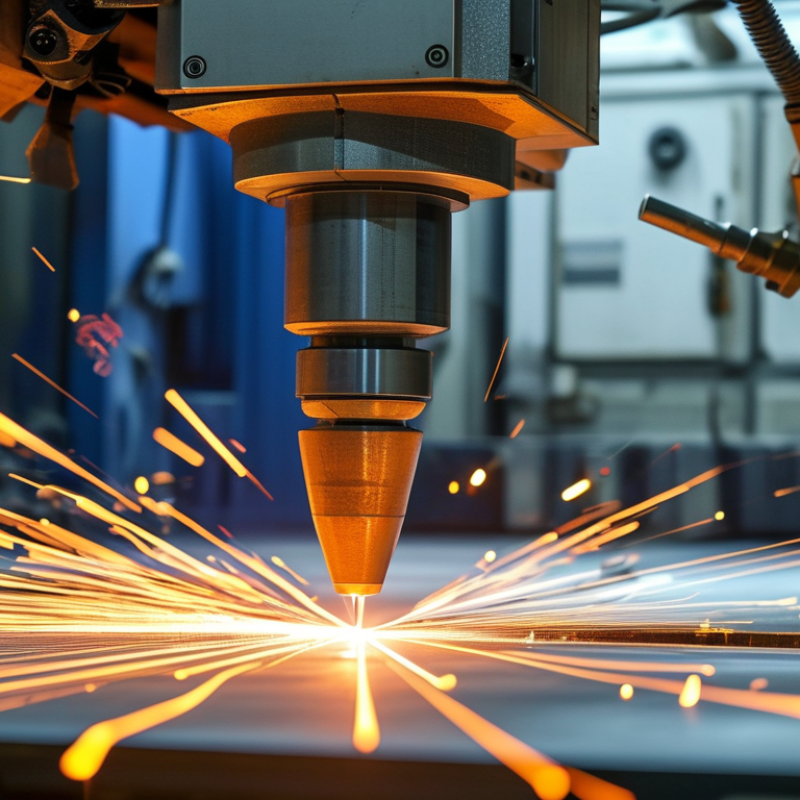
Emerging Laser Types for Advanced Manufacturing in 2026
Emerging laser types are shaping advanced manufacturing in remarkable ways. In 2026, innovations such as fiber lasers and ultra-fast lasers are gaining traction.
Fiber lasers boast efficiency and flexibility. Their applications extend across various sectors, including aerospace and automotive. Ultra-fast lasers provide precise cutting and engraving capabilities. This technology opens new possibilities for intricate designs and medical applications.
Tips: Consider the material when selecting a laser type. Different materials may react differently to various laser technologies. Experimentation may be necessary. Evaluating the right type can enhance production efficiency dramatically.
The adoption of disk lasers is also on the rise. These lasers offer high power and excellent beam quality. They can handle thick materials and provide faster processing speeds. However, the initial setup cost can be a barrier for some manufacturers. This is a challenge worth addressing for long-term gains.
Tips: Assess your budget carefully. Weigh the benefits against the costs. Investing in advanced laser technology can lead to significant savings in the long run. Balancing cost and performance is key in the decision-making process.
Integration of AI in Laser Processing for Enhanced Efficiency
The integration of artificial intelligence (AI) into laser processing technology marks a transformative shift in the industry. According to a recent market research report by Grand View Research, the global laser processing market is expected to reach $27 billion by 2026, driven significantly by advancements in AI. Enhanced efficiency in laser processing can be achieved by employing intelligent algorithms that analyze data in real-time, allowing for optimized cutting, welding, and engraving processes.
AI systems not only improve precision but also adapt to variables like material type and thickness. For instance, machine learning algorithms can predict the optimal laser settings, reducing waste and improving repeatability. Data from Statista reveals that companies using AI in manufacturing reported productivity increases of up to 20%. However, the implementation of AI is not without challenges. Companies face obstacles like data integration and the need for skilled personnel who can manage these new technologies effectively.
Through AI integration, laser processing can also move towards predictive maintenance strategies. Sensors collect data on equipment performance, enabling predictive analytics to foresee potential failures. This proactive approach aims to minimize downtime and extend machinery lifespan. Nonetheless, reliance on technology introduces risks, such as system malfunctions and cybersecurity threats. Addressing these concerns is critical for manufacturers looking to fully leverage the benefits of AI in laser processing.
Innovations in Laser Materials and Their Impact on Precision
Laser processing technology is at the forefront of industrial innovation. Significant advancements in laser materials are reshaping manufacturing. A report by MarketsandMarkets predicts the global laser processing market will reach $10.3 billion by 2026. This growth is driven by the demand for precision in sectors like automotive, aerospace, and electronics.
Recent developments include high-power fiber lasers and ultrafast lasers. These lasers offer enhanced accuracy and efficiency. For example, ultrafast lasers can process materials without thermal damage, preserving material integrity. This characteristic is pivotal for industries that require exacting specifications. According to a study by ResearchAndMarkets, precision laser cutting can increase throughput by 30% compared to traditional methods.
However, challenges remain. Not all manufacturers can adopt these advanced technologies due to high initial costs. Furthermore, skill gaps in the workforce can hinder effective implementation. Training programs are essential to bridge this gap. As companies invest in laser materials, they must also focus on developing a skilled workforce capable of leveraging these technologies effectively.
Top 10 Latest Trends in Laser Processing Technology 2026
| Trend |
Description |
Impact on Precision |
Material Compatibility |
Expected Adoption Rate (%) |
| Ultra-Fast Lasers |
High precision cutting and drilling capabilities with minimal heat affected zone. |
Improves detail in micro-machining tasks. |
Metals, ceramics, polymers. |
75% |
| Hybrid Laser Systems |
Combines multiple laser types for enhanced performance. |
Increases versatility in processing different materials. |
Various metals and composites. |
68% |
| Fiber Laser Advancements |
Improved beam quality and power efficiency. |
Enables finer cuts with higher speed. |
Thin metals, plastics. |
80% |
| Laser Additive Manufacturing |
3D printing technologies utilizing lasers for precision. |
Enhances the accuracy of component builds. |
Metals, polymers. |
60% |
| Remote Laser Processing |
Processing material from a distance using advanced focusing optics. |
Increases mobility and flexibility in operations. |
Metals, small components. |
55% |
| AI-Powered Laser Optimization |
Integration of AI for real-time adjustments and optimization. |
Maximizes efficiency and reduces errors. |
Broad range including metals and plastics. |
70% |
| Laser Safety Enhancements |
Advancements in safety protocols and equipment. |
Increases operational reliability and worker safety. |
All materials including hazardous. |
90% |
| Green Laser Technology |
Environmentally friendly lasers promoting sustainability. |
Reduces energy consumption and waste. |
Non-metal materials. |
65% |
| Laser Surface Treatment |
Enhancement of surface properties via laser techniques. |
Improves durability and performance of materials. |
Metals, composites. |
72% |
Sustainable Practices in Laser Processing: A 2026 Overview
Sustainable practices in laser processing are becoming vital for the industry in 2026. Companies aim to reduce waste and energy consumption. Utilizing renewable energy sources is a step that many manufacturers are adopting. They increasingly rely on solar or wind power to run laser systems. This shift not only lowers carbon footprints but also enhances operational efficiency.
An area worth exploring is the recycling of materials. Laser technology can facilitate precise cutting and engraving, leading to less scrap. However, companies still face challenges in recycling complex materials. Innovation is needed to develop better methods for material recovery. Furthermore, there is a growing emphasis on eco-friendly laser systems. These systems minimize harmful emissions usually associated with traditional laser technologies.
It's crucial to note that transitioning to sustainable practices is not straightforward. Many companies struggle with initial costs. Additionally, training staff to operate and maintain new technologies can be daunting. The industry must reflect on these challenges while pushing for greener innovations. Sustainable laser processing is not just an option anymore; it’s a responsibility that demands serious attention.
Top 10 Latest Trends in Laser Processing Technology 2026
Applications of Laser Technology in Healthcare and Beyond
Laser technology continues to revolutionize healthcare and other industries. In recent years, applications have expanded dramatically. One area seeing significant growth is surgical procedures. Laser systems offer precision that traditional methods often lack. They minimize tissue damage, leading to quicker recovery times. Patients benefit from reduced scarring and a lower risk of infection.
Another fascinating application is in dermatology. Laser treatments for skin conditions, such as acne scars and pigmentation issues, have become popular. These procedures are less invasive and typically require fewer sessions compared to other treatments. While results can be impressive, not every patient responds the same way. Some may experience side effects that require further attention.
Beyond healthcare, laser technology is impacting manufacturing and material processing. Industries utilize lasers for cutting and engraving materials, enhancing productivity. However, these advancements pose challenges in training workers for new systems. Companies must invest in proper education and safety measures. This ensures operators are well-equipped to handle these powerful tools, highlighting the need for a balanced approach between innovation and practicality.
FAQS
I on laser processing efficiency?
AI systems adapt to materials and predict optimal laser settings, minimizing waste and improving repeatability.
Companies using AI have seen productivity increases of up to 20%, according to data.
Challenges include data integration and the need for skilled personnel to manage new technologies.
Laser technology reduces waste and energy consumption, often using renewable energy sources.
High initial costs and skill gaps in the workforce limit access to advanced laser materials.
Training programs are essential for bridging workforce skill gaps and effective technology implementation.
Laser processes minimize scrap, but challenges remain in recycling complex materials effectively.
Initial costs and training for new technology can be daunting for many companies in laser processing.
Companies must address challenges in adopting AI and sustainability to enhance operational efficiency effectively.
Conclusion
As we look ahead to 2026, understanding what are the latest trends in laser processing technology becomes crucial for industries embracing advanced manufacturing. Emerging laser types are set to revolutionize production processes, offering greater flexibility and efficiency. The integration of artificial intelligence is enhancing operational effectiveness, optimizing workflows, and reducing errors. Furthermore, innovations in laser materials are significantly impacting precision, allowing for more complex and delicate applications.
Sustainable practices are also at the forefront of laser processing in 2026, as industries strive to minimize their environmental footprint. Additionally, the applications of laser technology are expanding beyond traditional manufacturing, making significant inroads into healthcare, where precision plays a critical role. Overall, these trends reflect a shift towards more efficient, precise, and eco-friendly laser processing solutions, indicating a transformative year ahead for the industry.

 STYRL Laser