In the realm of industrial applications, understanding "what is UV laser marking used for" is crucial. Dr. Emily Hart, a leading expert in laser technologies, states, "UV laser marking opens new doors for precision and clarity." This technology harnesses ultraviolet light to create marks with high detail and durability, making it invaluable across sectors.
From electronics to pharmaceuticals, each industry benefits uniquely from UV laser marking. In electronics, it ensures component identification without damaging surfaces. In pharmaceuticals, it provides accurate labeling that meets regulatory standards. Each application highlights the versatility and importance of UV laser marking technology.
Despite its advantages, some challenges persist. The cost of UV laser marking systems can be high for small manufacturers. Furthermore, not all materials are suitable for UV marking. Addressing these issues requires innovation and adaptation. Exploring "what is UV laser marking used for" reveals not just its benefits, but also areas needing improvement.
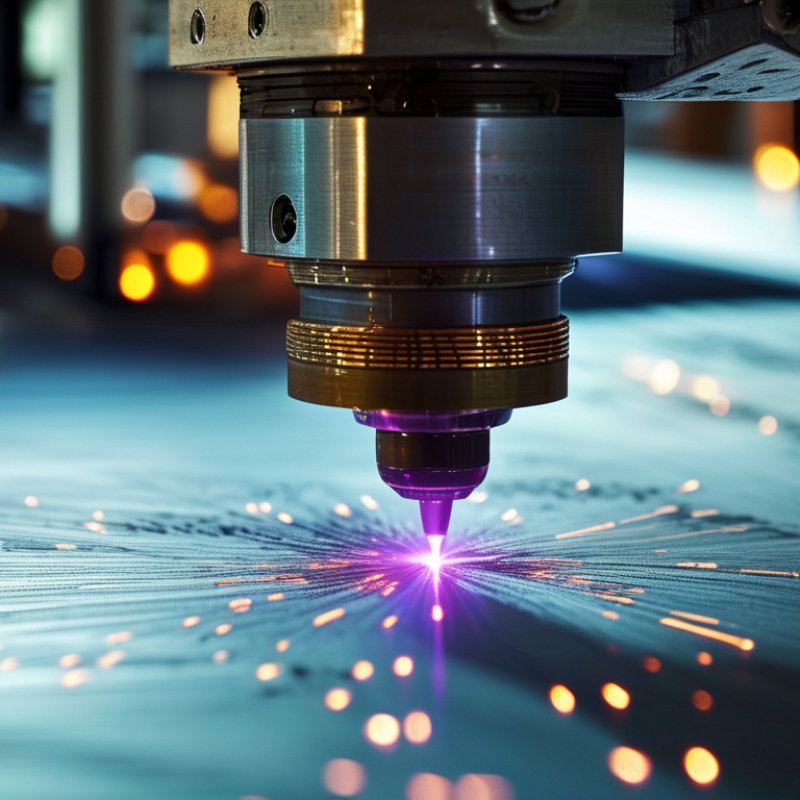
Applications of UV Laser Marking in the Manufacturing Industry
UV laser marking is becoming essential in the manufacturing sector. It delivers precise and high-contrast marks on various materials. These include plastics, metals, and glass. This technology is favored for its accuracy, speed, and versatility. Manufacturers often seek solutions that enhance their product identification processes.
In electronics, UV laser marking is crucial. It allows for the etching of serial numbers and barcodes on small components. This ensures traceability and quality control. Additionally, in the medical device industry, UV laser marking helps create permanent and clear markings on instruments. These markings withstand harsh sterilization processes, ensuring safety and compliance.
However, challenges exist. The cost of UV laser marking systems can be high. Smaller manufacturers may find it difficult to justify the investment. There is also a learning curve associated with utilizing this technology effectively. Training staff to operate and maintain these systems is necessary. Despite these issues, the benefits of UV laser marking often outweigh the drawbacks.
Benefits of UV Laser Marking in Medical Device Production
UV laser marking plays a crucial role in medical device production. This technology offers precise engraving on various materials such as metals, plastics, and glass. The process is fast and leaves durable marks, ensuring that each device meets strict identification standards. In a sector where safety is paramount, clarity is non-negotiable. An effective marking can help trace a product’s history and usage.
One of the key benefits of UV laser marking is its ability to create high-resolution codes and serial numbers. These markings are resistant to wear, moisture, and chemicals. They won't smudge or fade, ensuring longevity. This reliability becomes vital in environments like hospitals or laboratories, where hygiene and traceability matter immensely. However, improper marking can lead to errors in device tracking, which could pose risks.
Moreover, UV laser marking is eco-friendly compared to traditional methods. It minimizes waste, which aligns with the growing focus on sustainability in the medical industry. While this technology has many advantages, it's essential to regularly review processes. Ensuring that the UV laser settings are optimal can prevent inconsistent marks. Regular maintenance and operator training are critical to maximize effectiveness.
What is UV Laser Marking Used for in Various Industries?
| Industry |
Application |
Benefits of UV Laser Marking |
| Medical Devices |
Device Identification and Serialization |
High precision and permanence of markings |
| Aerospace |
Part Marking and Traceability |
Durability under extreme conditions |
| Automotive |
Component Marking and Quality Control |
Enhances production efficiency |
| Electronics |
Circuit Board Marking |
Minimizes risk of corrosion and damage |
| Pharmaceuticals |
Labeling and Batch Numbering |
Ensures compliance with regulations |
Use of UV Laser Marking for Product Branding and Identification
UV laser marking has emerged as a powerful tool for product branding and identification across diverse industries. This technology is particularly valued for its precision and permanence. It utilizes ultraviolet light to create high-resolution markings on various materials. These markings are resistant to fading, making them ideal for long-lasting branding.
Manufacturers often use UV laser marking for logos, barcodes, and serial numbers. This is especially useful in sectors like electronics and pharmaceuticals. By ensuring that each product is marked clearly, companies enhance traceability. Consumers can easily verify authenticity, fostering trust. Such clarity is vital in a competitive market.
However, the technology does come with challenges. Initial setup costs may deter smaller businesses. Additionally, intricacies in material compatibility can result in unexpected outcomes. Marking quality can vary, requiring ongoing adjustments. Businesses need to consider these factors carefully to maximize their investment in UV laser marking.
Challenges and Limitations of UV Laser Marking Technology
UV laser marking has gained traction in various industries, providing precision and quality. However, challenges persist. One significant limitation is the cost of UV laser equipment. This technology tends to be more expensive than traditional marking methods. Businesses, especially smaller ones, may hesitate to invest in such machinery.
Another challenge is material compatibility. Not all materials respond well to UV lasers. Some may require special surface treatments, which adds complexity to the marking process. Additionally, UV laser marking can be limited by the thickness of the material. Marking deep or uneven surfaces is often problematic.
Tips: Ensure to test materials before committing to large production runs. Small tests can save time and cost. Regular maintenance of equipment is essential for consistent quality.
Training for operators is vital, too. Proper training can reduce mistakes and improve efficiency. The learning curve may be steep, but it pays off in the long run. Despite these challenges, UV laser marking remains a valuable option for precise applications in diverse sectors.
UV Laser Marking Applications Across Industries
UV laser marking technology is increasingly applied across multiple industries due to its precision and effectiveness. This chart illustrates the number of applications in various sectors, highlighting its prominence in electronics and medical devices.
Future Trends of UV Laser Marking Across Different Sectors
UV laser marking is rapidly gaining traction in many sectors due to its precision and efficiency. As organizations look for cost-effective technologies, UV lasers provide numerous advantages. According to a recent market analysis, the global UV laser market is expected to grow at a CAGR of 7.8% from 2022 to 2030. This surge reflects a growing demand across industries such as electronics, healthcare, and packaging.
In the electronics sector, UV laser marking is essential for coding and traceability. Its accuracy ensures that barcodes and QR codes maintain high legibility. A report from industry analysts highlighted that over 60% of manufacturers prefer UV lasers for their lasting marks on sensitive components. However, the upfront cost can be daunting for small businesses. The long-term benefits often justify this investment, yet many hesitate.
Similarly, the healthcare industry relies on UV laser marking for patient safety. Labels on medical devices must remain intact, even under extreme conditions. This method provides the necessary durability. A study indicated that nearly 80% of healthcare professionals favor UV lasers for their reliability. Yet, challenges exist. Some users report frustrations with initial setup and ongoing maintenance. Balancing costs with quality continues to be a significant concern for organizations.
Conclusion
UV laser marking is a versatile technology employed across various industries for applications such as manufacturing, medical device production, and product branding. In manufacturing, UV laser marking is used to create precise and permanent markings on materials like plastics and metals, ensuring traceability and quality control. In the medical sector, it provides a reliable means of marking devices without compromising their integrity, which is crucial for compliance and safety.
Additionally, UV laser marking serves an essential role in product branding and identification, facilitating unique identifiers that enhance consumer trust and brand recognition. However, there are challenges and limitations associated with this technology, including equipment costs and the need for specialized knowledge. Looking forward, the future trends suggest a growing adaptation of UV laser marking in diverse sectors, driven by advancements in technology and increasing demand for precision and durability. Hence, understanding what UV laser marking is used for helps industries to optimize their processes and meet regulatory standards effectively.

 STYRL Laser