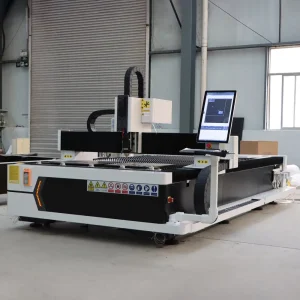
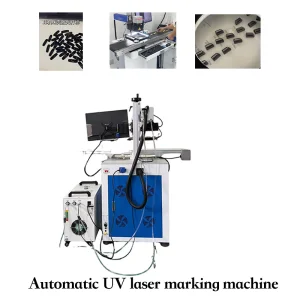
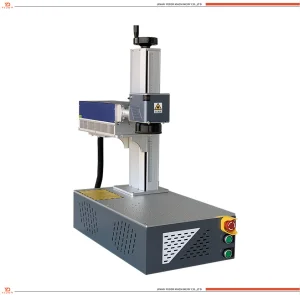
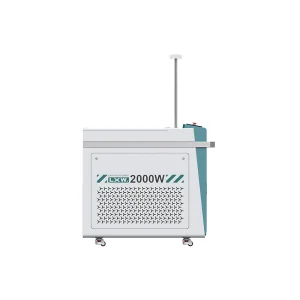
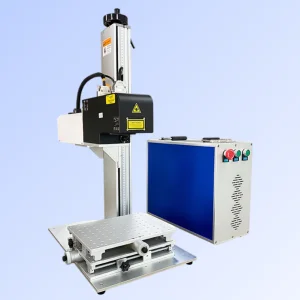
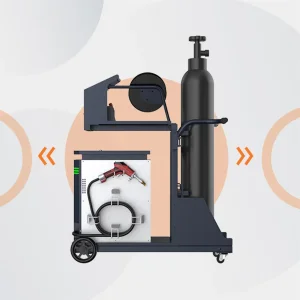
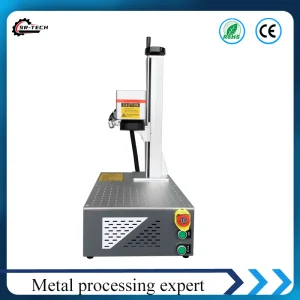
Explore our initial selection of precision-engineered industrial solutions, ranging from high-capacity fiber tube cutters and ultra-fine UV markers to automated robotic welding configurations designed to optimize processing efficiency.
The global industrial sector is undergoing a profound paradigm shift driven by the integration of high-performance laser systems. As automated manufacturing processes demand shorter cycle times, zero-defect quality parameters, and seamless compatibility with Industry 4.0 standards, laser technology has transitioned from a specialized tool to the baseline infrastructure of modern production lines.
Currently, the global laser processing market is expanding at a compounding annual rate, driven by structural demands in automotive engineering, semiconductor processing, medical technology, and battery manufacturing for electric vehicles (EV). High-power fiber lasers have effectively replaced traditional tool-based mechanical milling, punch presses, and plasma cutters due to their exceptional beam quality, negligible maintenance requirements, and minimal Heat Affected Zones (HAZ). In the realm of traceability, strict regulatory protocols—such as the FDA’s Unique Device Identification (UDI) for medical instruments and European automotive marking standards—have mandated permanent, non-destructive marking methods, cementing the market position of fiber, UV, and CO₂ galvo laser marking machines.
North American and European enterprises are focusing heavily on integrating laser hardware with intelligent robotics. High-performance multi-axis robotic arms coupled with laser-welding or laser-marking optics allow for complex three-dimensional manufacturing configurations. Meanwhile, the Asia-Pacific region, led by massive investments in domestic manufacturing hubs, has emerged as both the largest consumer and the most competitive producer of industrial laser components.
Ningbo STYRL Laser Co., Ltd. is a premier, high-tech enterprise specializing in cutting-edge laser processing technology. The organization is globally recognized as a leading Laser Marking Machine Manufacturer, Fiber Laser Engraving, and Industrial Coding Solutions provider. The company focuses on delivering high-precision, highly efficient, and exceptionally stable laser systems that serve as the backbone for key industrial sectors including consumer electronics, automotive parts, structural metal fabrication, high-speed food and pharmaceutical packaging, medical device tracking, and complex automated production plants.
Founded in 2014 in the industrial cluster of Ningbo, China, STYRL Laser initiated operations as a specialized laser integration workshop focusing primarily on industrial component marking. Driven by the rapid acceleration of intelligent manufacturing, the company successfully executed a strategic transition in 2018. It established a highly comprehensive R&D facility and state-of-the-art production systems covering advanced optical design, bespoke control software development, and precision gantry/frame CNC assembly. By engineering its proprietary control system algorithms and optical pathways, STYRL Laser ensures that every machine achieves optimized electro-optical conversion efficiency and extreme positioning repeatability.
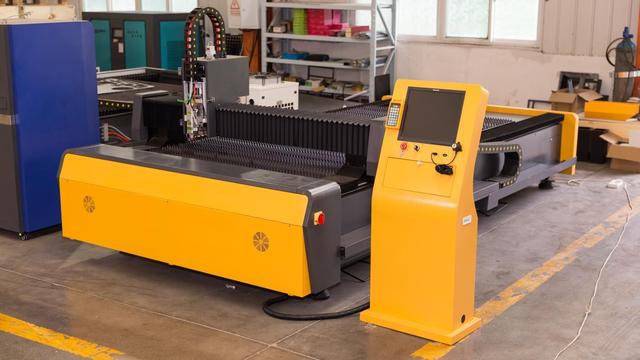
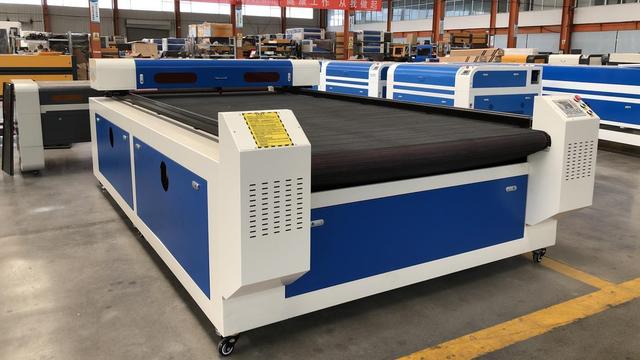
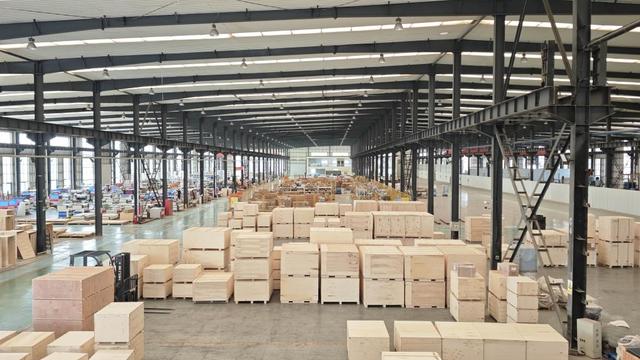
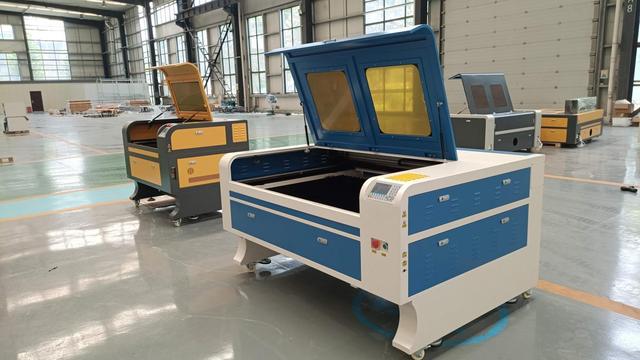
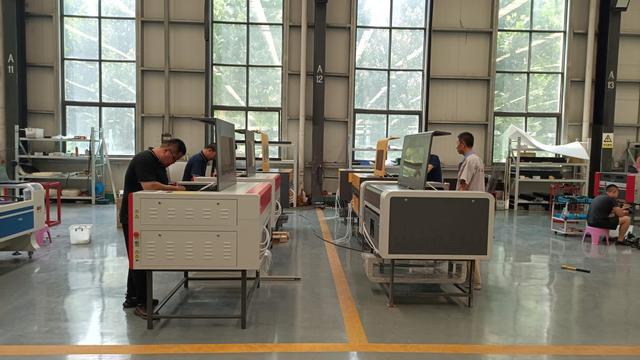
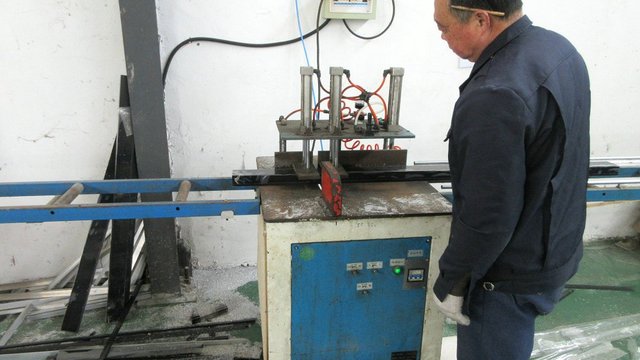
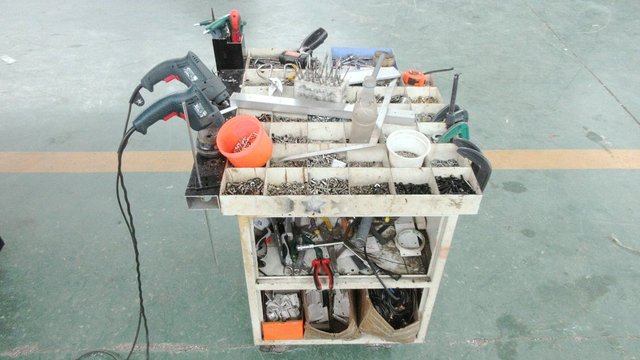
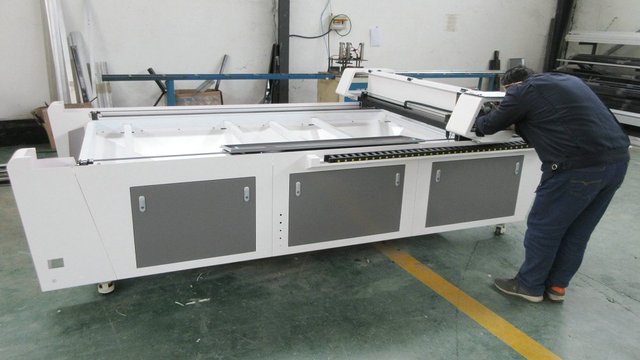
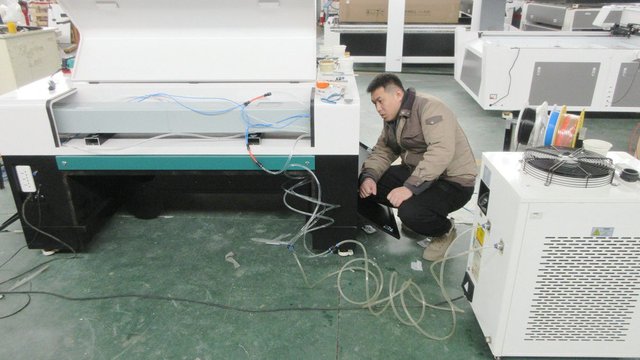
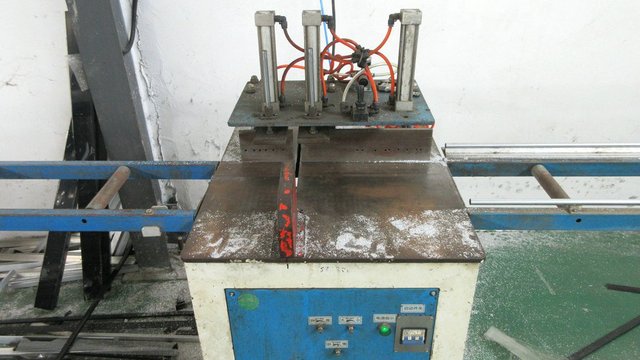
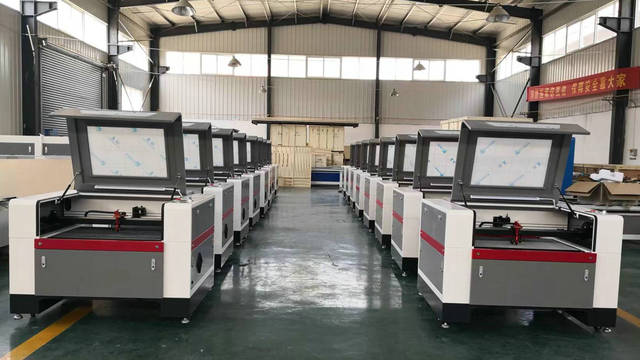
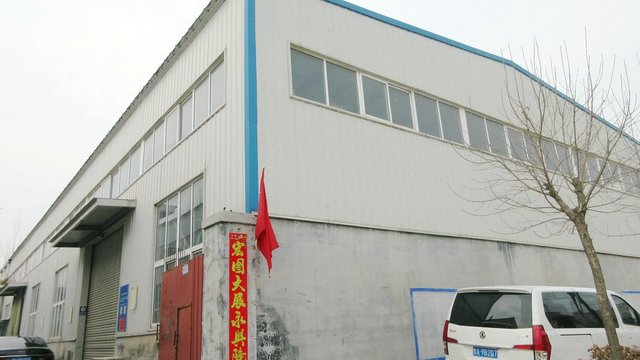
Today, STYRL Laser operates state-of-the-art manufacturing zones housing optical testing laboratories, CNC component machining stations, and dust-controlled clean rooms for scanning galvanometer calibration. The enterprise continues to expand its footprints in competitive international markets, serving procurement clients across Europe, Southeast Asia, the Middle East, and South America with unparalleled technology and localization services.
The international dominance of Chinese factories in the industrial laser machinery sector is not simply a result of labor scale—it is the direct product of structural supply chain integration, deep manufacturing efficiency, and localized optical innovation. Ningbo STYRL Laser Co., Ltd. embodies these unique advantages, providing high-reliability systems at unmatched ROI thresholds.
Operating within the Ningbo industrial zone grants immediate access to the world’s most concentrated cluster of optical designers, precision CNC casting facilities, linear guide developers, and power supply manufacturers. This minimizes logistical delay and sub-component cost.
Traditional Western custom setups involve long design lead times. Chinese system developers utilize highly standardized modular frameworks that permit tailored modifications—such as adding automated rotary indices or 3D vision alignment—without rebuilding the base platform.
By integrating industry-approved components—such as Raycus, JPT, or IPG fiber laser sources, Scanlab-compatible galvo heads, and MeanWell electrical systems—our production ensures machines satisfy strict CE, FDA, and FCC compliance parameters.
To assist procurement directors and process engineers in selecting the correct laser machinery, we highlight the four most prominent industrial application profiles below:
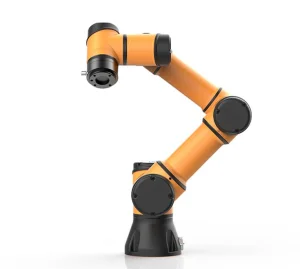
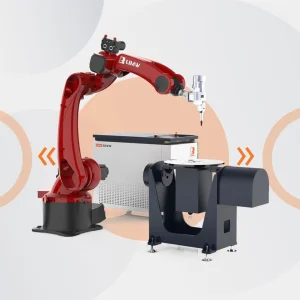
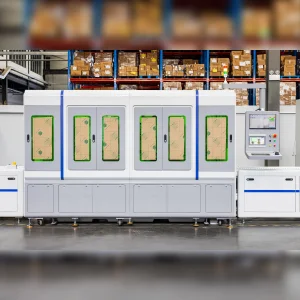
Lithium-ion energy storage systems and electric vehicle battery packs demand precision welding processes to secure cells to busbars without subjecting delicate internal components to intense heat. By integrating our Automated Energy Storage Battery Assembly Line with Laser Welding Precision, factories achieve clean weld joints with optimal electrical conductivity and zero structural failure. Six-axis articulated robotic arms work in synchronicity to orient the fiber laser weld head over multi-point configurations with micro-level repeatability.
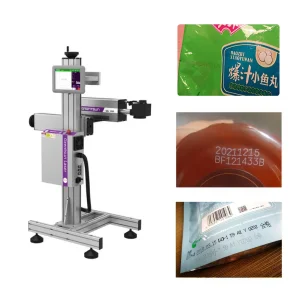
For packaging facilities processing thousands of units per hour, traditional ink-based systems create ongoing maintenance costs and ink degradation problems. Deploying the CO2 Laser Marking Machine for PET Bottle, Glass, and PVC Coding enables chemical-free, permanent tracking codes. These lasers perform localized photothermal ablation, creating clear, unalterable QR codes and expiration dates that survive rigorous washdown and temperature extremes.
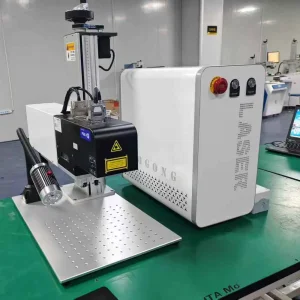
Surgical tools made from specialized stainless steel, titanium, or high-density polymers require marks that do not degrade through autoclaving or cause surface corrosion. The Lansu 5W UV Vision Laser Engraving System utilizes a cold marking wavelength of 355 nm. It alters the molecular structure of the plastic or metal target directly without generating thermal stress, maintaining the structural integrity and corrosion-resistance profile of crucial medical hardware.
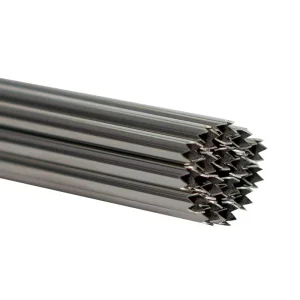
In manufacturing environments processing steel, brass, or aluminum tubing, traditional sawing and drilling create extensive deburring steps. By utilizing the Powerful Fiber Industrial Laser Cutting System for Round Tubes, operations can execute complex angled cuts, joints, and holes in a single step, routing materials directly to downstream welding setups.
To prevent commissioning delays, international buyers must cross-reference their factory blueprints with the following essential checklist before finalizing an export contract:
Get answers to critical integration, operating, and structural questions surrounding high-performance industrial laser machinery.
Fiber Lasers (1064 nm): Best suited for robust metal marking and deep engraving. They rely on high-energy thermal interactions to melt or vaporize surfaces.
UV Lasers (355 nm): Known as "cold lasers." They break chemical bonds inside materials rather than using heat, preventing thermal damage. Ideal for delicate plastics, electronics, and glass.
CO₂ Lasers (10,600 nm): Highly absorbed by organic materials. Perfect for marking wood, acrylic, paper, glass, and thin plastic films on high-speed packaging lines.
Handheld fiber laser welding is up to 4–10 times faster than traditional TIG or MIG welding methods. It creates a much smaller heat-affected zone (HAZ), reducing distortion and the need for post-weld grinding. Additionally, it requires minimal training to operate and allows for easy joining of dissimilar metals, such as copper to aluminum.
Fiber laser systems are highly durable and virtually maintenance-free, with laser source lifespans exceeding 100,000 operational hours. The primary maintenance tasks include keeping the protective optical lenses clean, clearing dust from the exhaust and ventilation filters, and ensuring clean water levels in water-chilled systems.
Yes, this process is known as "Marking-on-the-Fly" (MOTF). Specialized laser control cards read speed data from rotary encoders mounted on the conveyor. The software dynamically adjusts the beam trajectory in real time to ensure sharp, undistorted marking on products moving at speeds up to hundreds of meters per minute.
For steel alloys, a 1kW fiber laser can cut carbon steel up to 10mm thick. A 3kW source scales this capacity up to 20mm, and 6kW systems can cut plates up to 25mm thick with clean edges. When processing highly reflective metals like copper or brass, higher power thresholds and auxiliary nitrogen or oxygen gas are required.
To clear customs and comply with local regulations, exported laser systems typically require CE certification for European markets, FDA registration (particularly for Class 4 laser devices) in the United States, and standard ISO9001 quality management compliance for the manufacturing facility.
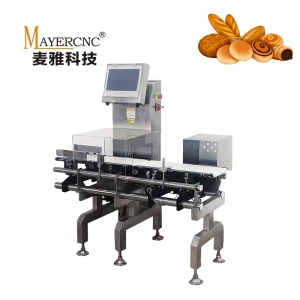
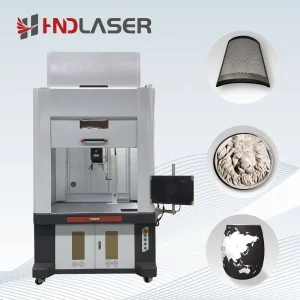
Review our second grouping of advanced manufacturing assets, featuring high-speed line scanners, customizable 3D marking systems, automated battery assembly equipment, and multi-axis heavy-duty robotic welding units.
 STYRL Laser