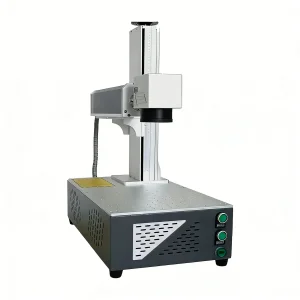
High-efficiency laser coding solutions optimized for Entebbe and Kampala electronic assembly lines.
Uganda is currently experiencing a significant shift in its manufacturing sector. Under the "Uganda Vision 2040" framework, the government has placed a heavy emphasis on industrialization, particularly in the electronics and agro-processing sectors. As local assembly of smartphones, solar energy components, and digital meters increases in Kampala's industrial parks (like Namanve), the demand for high-precision Electronics Laser Marking Solutions has skyrocketed. Unlike traditional inkjet printing, laser marking offers a permanent, tamper-proof, and eco-friendly way to apply serial numbers, QR codes, and regulatory logos (like the UNBS certification) onto delicate electronic components.
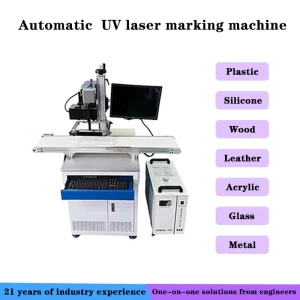
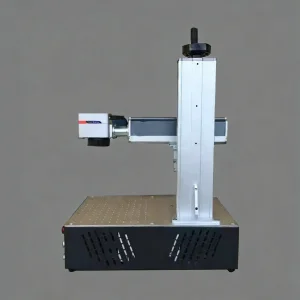
Internationally, the electronics industry is moving toward miniaturization. Standard Fiber lasers, while powerful for metal, often generate too much heat for micro-electronics. This has led to the rise of UV (Ultraviolet) laser technology—often called "cold marking." These systems use a 355nm wavelength to break molecular bonds without causing thermal damage to the surrounding substrate. This is critical for PCB boards, semiconductors, and high-end consumer electronics that are now being distributed globally, including to East African trade hubs.
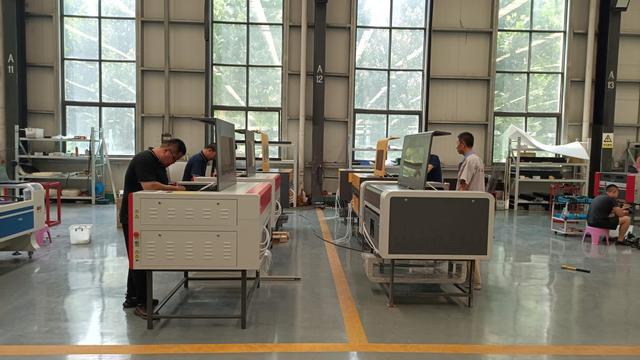
As a leading China-based manufacturer, Ningbo STYRL Laser Co., Ltd. provides a unique value proposition for Ugandan factories. We combine the high-speed production efficiency of the Chinese supply chain with rigorous international quality standards. Our factory utilizes centralized procurement for high-end optical components (like JPT and IPG sources) while maintaining an agile assembly line that reduces lead times by 40% compared to European competitors. For Ugandan clients, this means faster delivery, professional localized remote support, and hardware that is robust enough to handle the specific voltage and environmental conditions of the region.
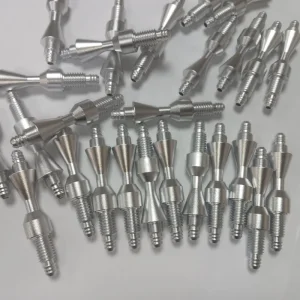
Marking durable serial numbers and capacity ratings on solar charge controllers and battery casings used in rural electrification projects across Uganda.
High-speed UV marking for smartphone chassis and internal PCB components in Kampala's burgeoning electronics assembly zones.
Replacing toxic ink for expiry dates on plastic bottle caps and pharmaceutical foil, ensuring compliance with health standards.
The industry is currently moving towards Industry 4.0 Integration. Modern laser marking machines are no longer standalone units; they are integrated into automated production lines with vision systems (AI cameras) that can automatically detect the orientation of a part and adjust the marking position in real-time. This reduces human error and drastically cuts down on reject rates. Furthermore, "Green Manufacturing" is no longer a choice but a requirement. Laser systems eliminate the need for chemical inks and solvents, helping Ugandan companies meet environmental ESG (Environmental, Social, and Governance) targets for export to European markets.
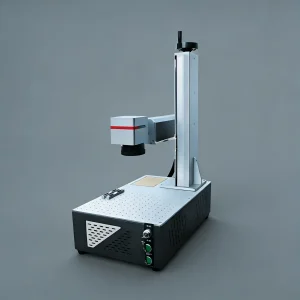
At STYRL, our R&D team is focusing on "Handheld Hybrid Systems"—portable fiber lasers that can be brought to large-scale infrastructure projects in Uganda, such as marking structural steel for the East African Crude Oil Pipeline (EACOP) or hydro-electric turbine components. This flexibility is what sets our technology apart.
Explore our full range of solutions serving industrial clients in Entebbe, Jinja, and beyond.
 STYRL Laser