STYRL Laser
1 / 5
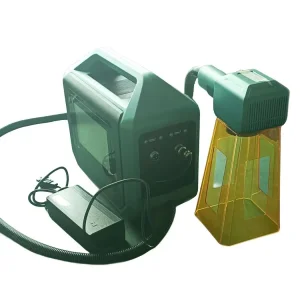
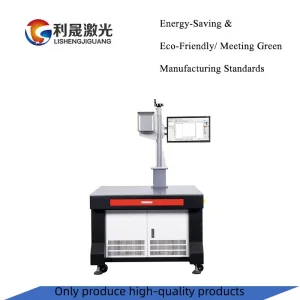
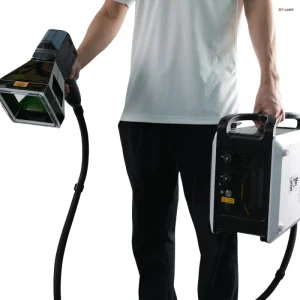
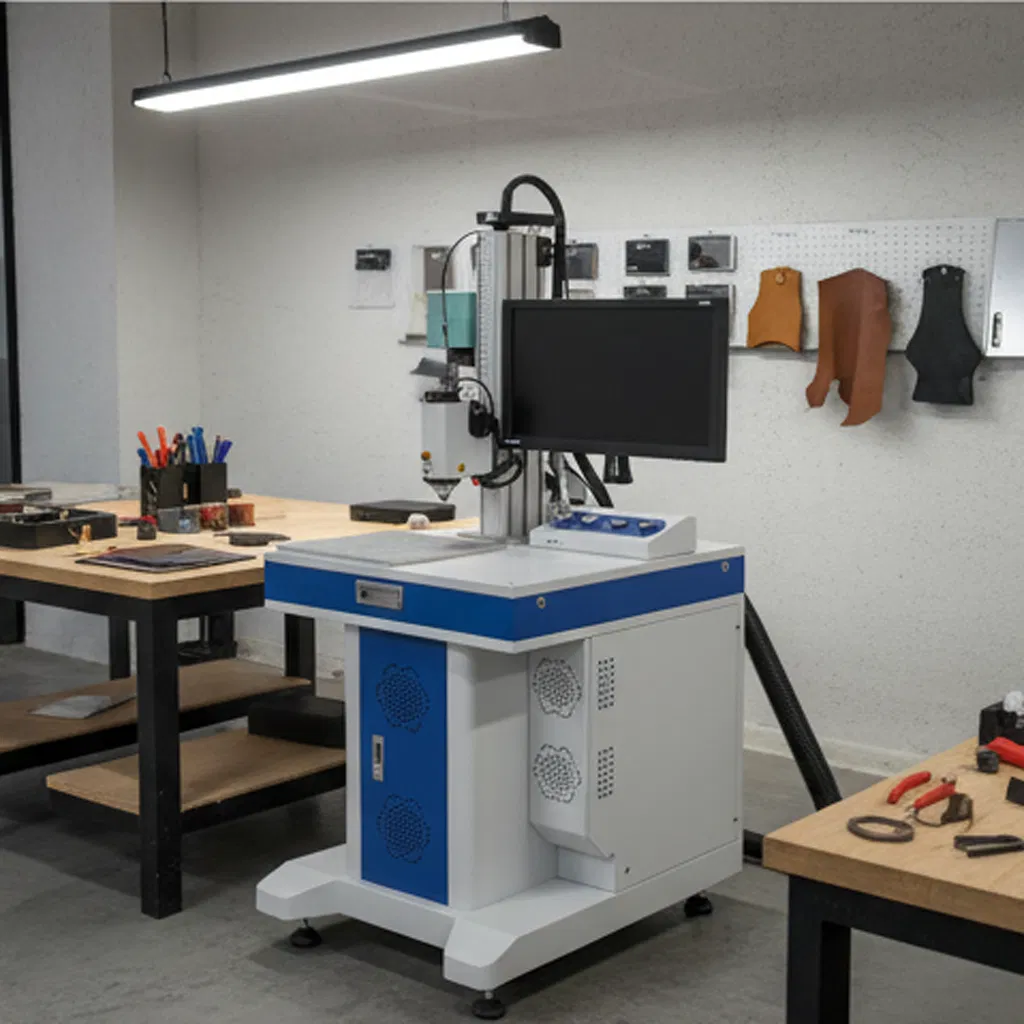
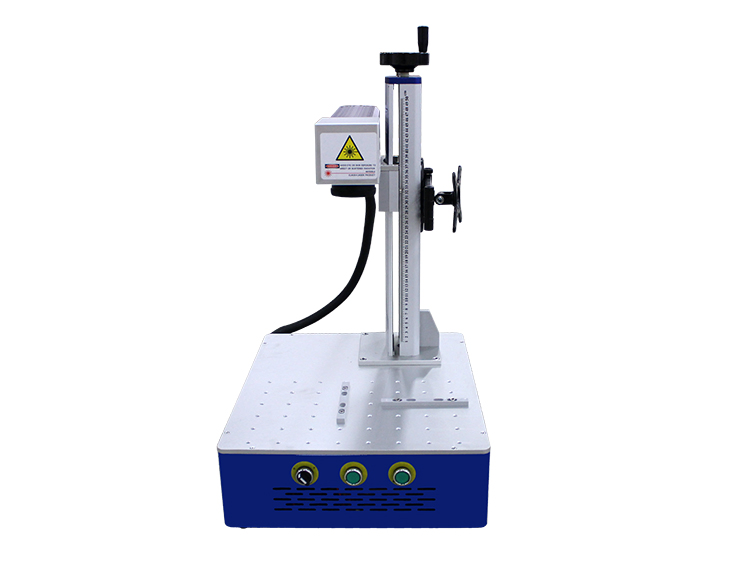
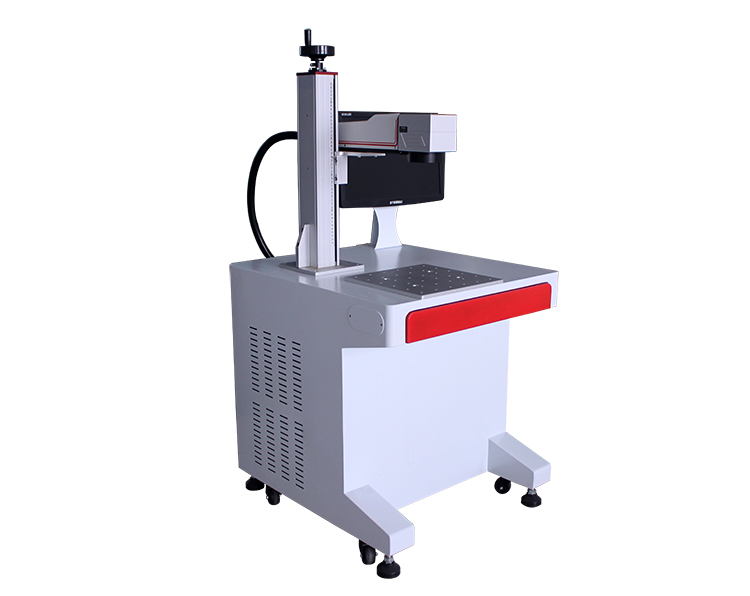
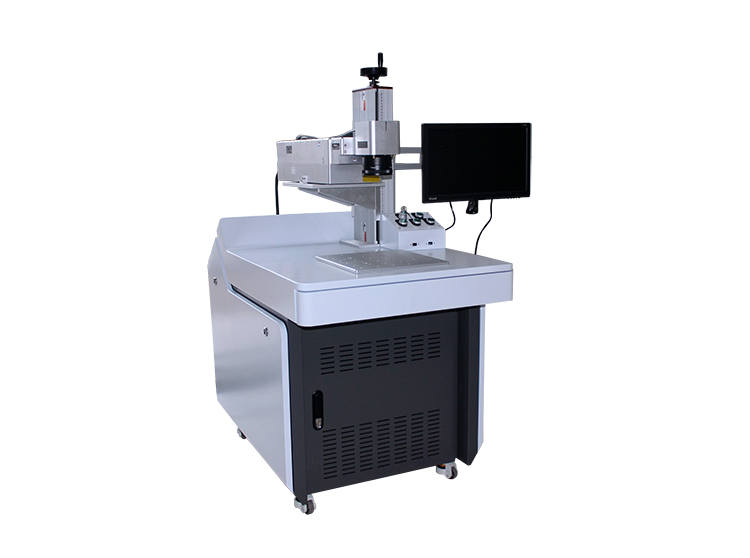
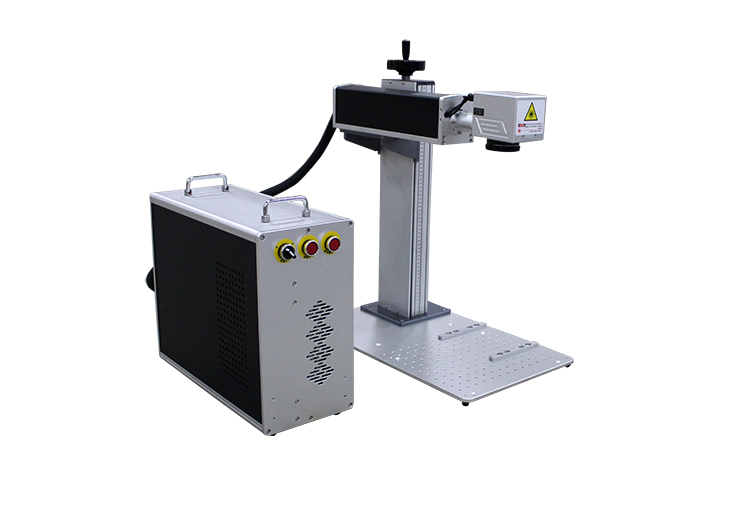
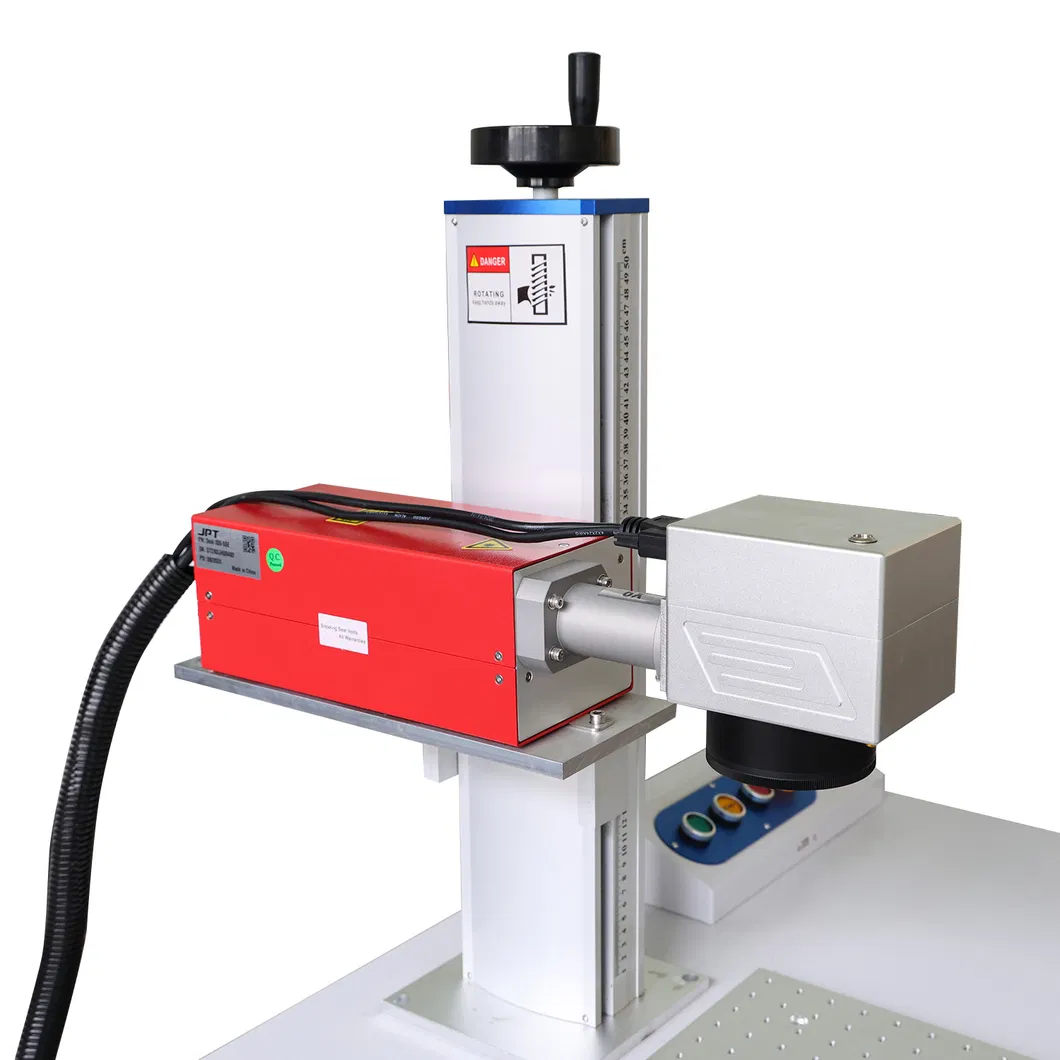
Laser marking is an advanced, state-of-the-art technique that utilizes a highly concentrated laser beam to elegantly transform material surfaces with precision. The process begins with the generation of a laser beam by an oscillator. This beam is skillfully guided using a scanning mirror, and then expertly focused onto the intended target with a focusing lens. As a result, the material's surface is altered to create precise, distinct, and enduring marks. In stark contrast to traditional ink-based methods, laser marking leverages the science of light for superior surface modification, offering unmatched wear resistance and ensuring that marks remain clear and vibrant over time.
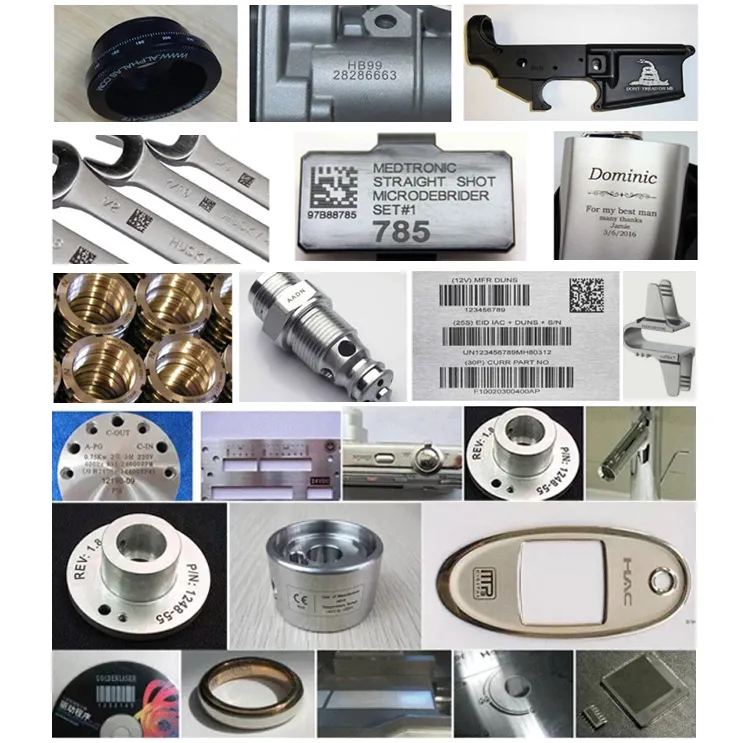
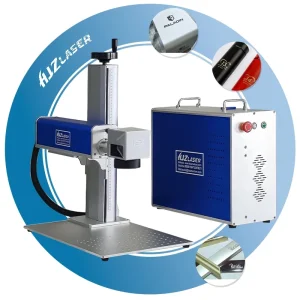
Laser marking can be executed with expertise on metal using cutting-edge techniques such as black-annealed marking, which induces elegant oxidation; white marking, achieved by delicately scraping the surface; and engraving, where the laser deeply carves into the surface.
Heat is conducted without engraving, creating an oxide film for a sleek, sophisticated black finish.
Gently removes a delicate layer to unveil a textured surface that scatters light for an immaculate white appearance.
Meticulously etches the target surface for a permanent, deeply detailed, and high-precision impression.
| Machine Type | CO2-30W |
| Laser Output Power | 30w |
| Power Stability | +/-5% |
| Laser Beam Quality | M2 < 1.2 |
| Wavelength | 10.60um |
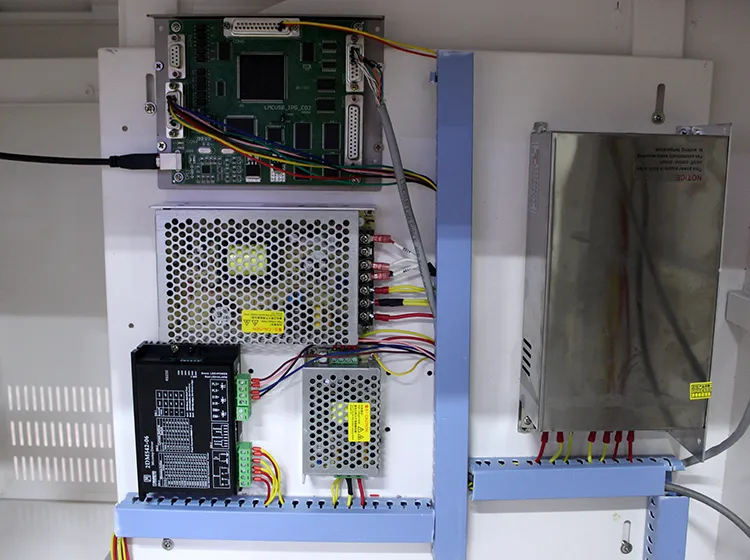
| Control System | EZCAD (Win7/8/10) |
| Focus Method | Double red dots |
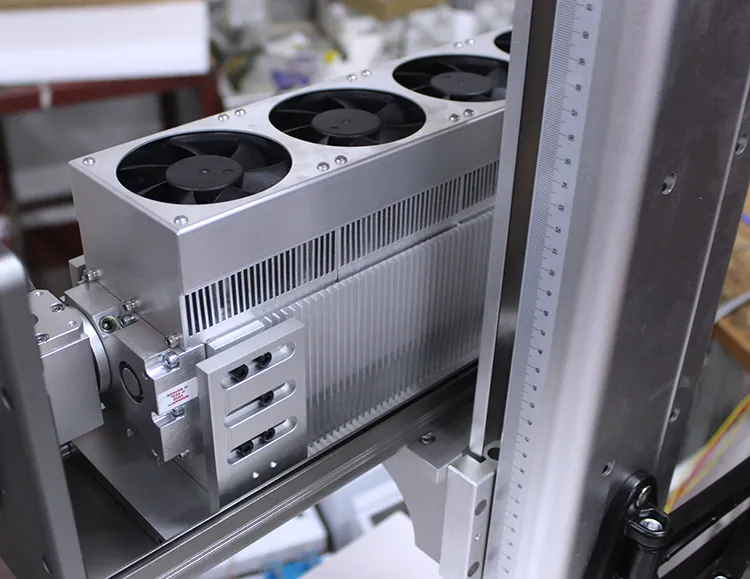
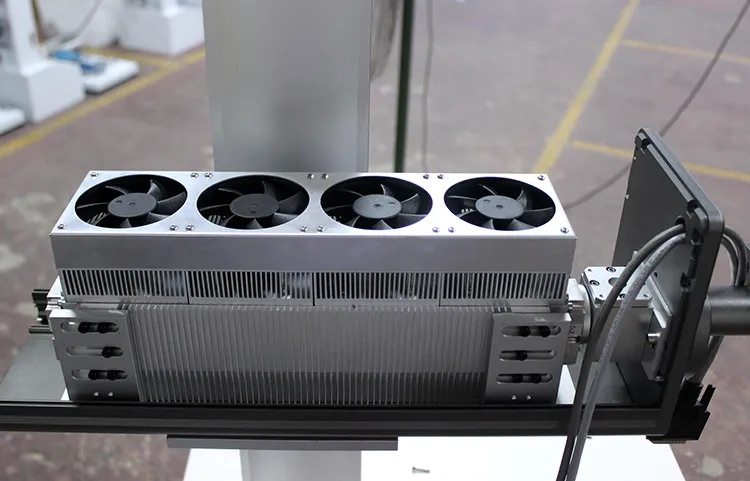
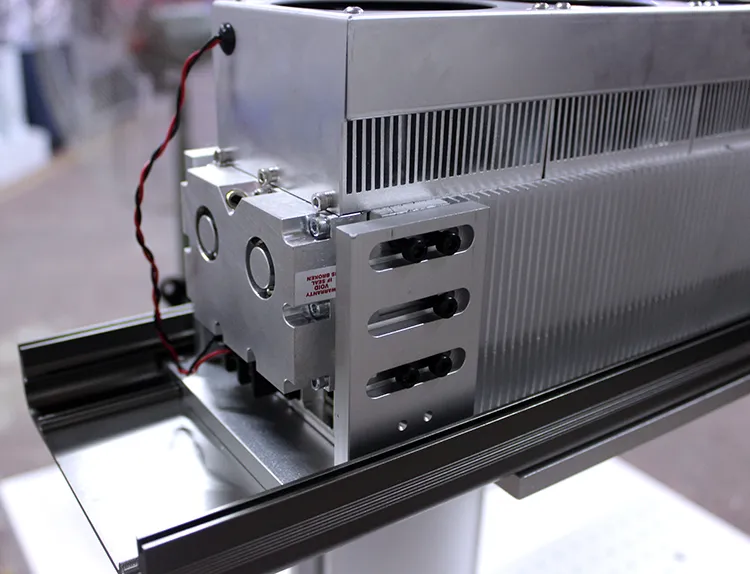
| Cooling Way | Air cooling |
| Working Area | 70*70mm - 300*300mm |
| Minimum Line Width | 0.015mm |
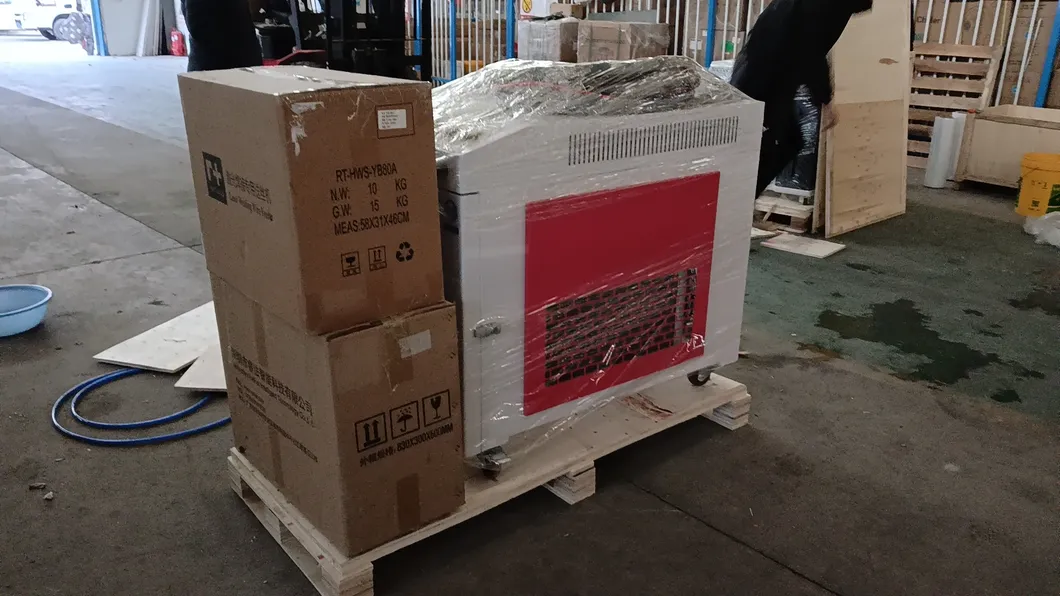
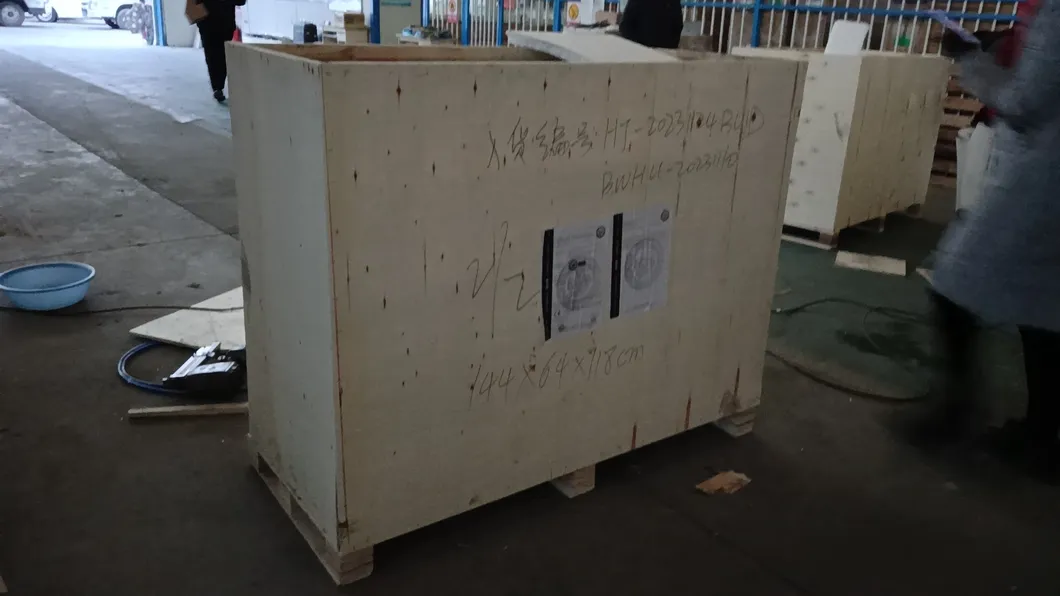
| Package Size | 109*46*78cm |
| Gross Weight | 90kgs |
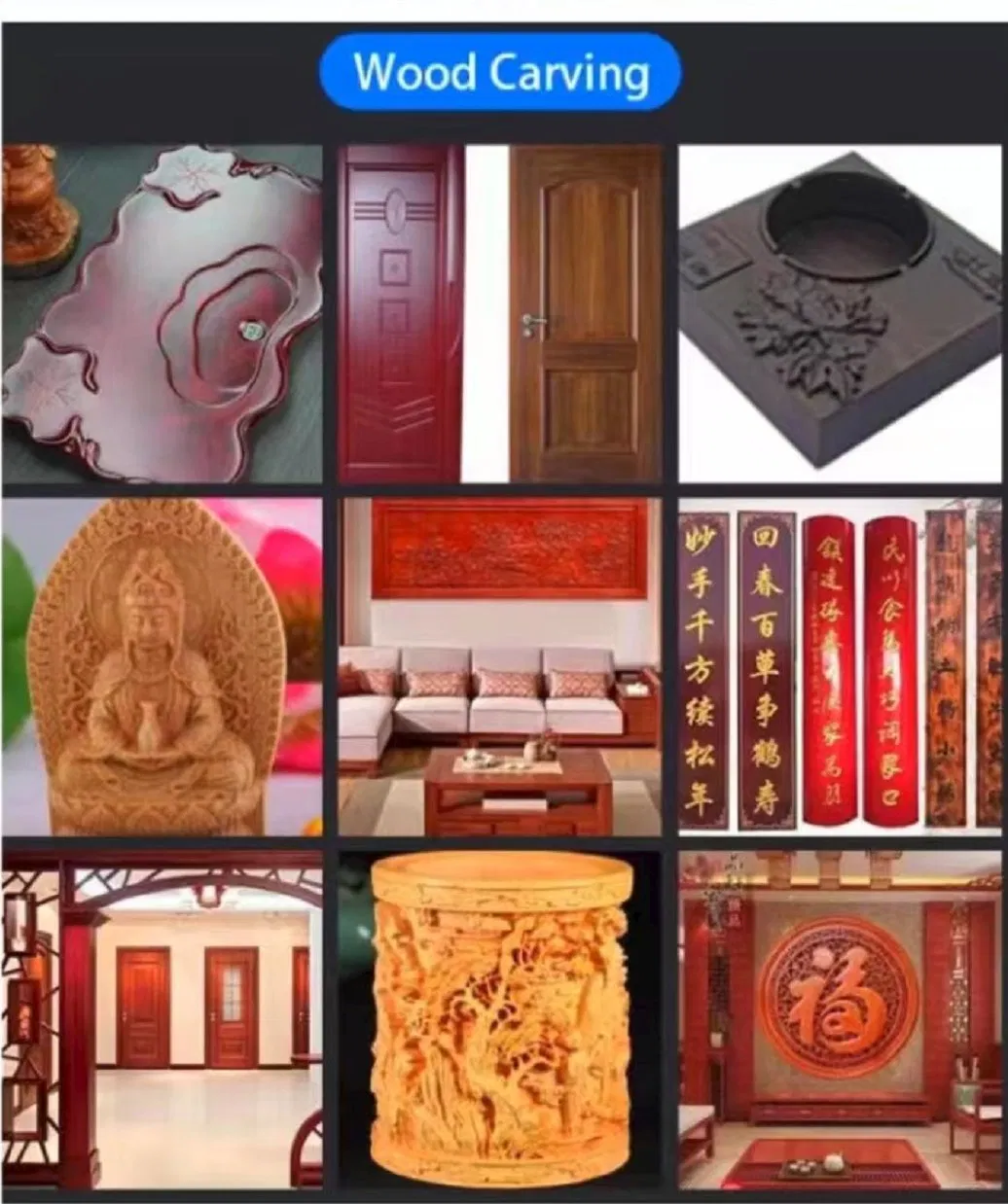
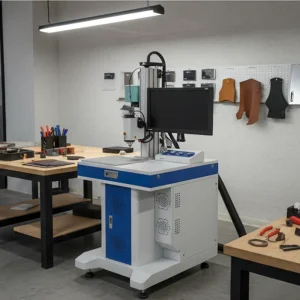
Our expertly engineered machine is meticulously crafted for an expansive array of non-metal materials including wood, paper, leather, cloth, plexiglass, epoxy, acrylic, and polyester resin. It is widely used in food & beverage, textiles, electronics, communication devices, and industrial production lines.
Extended continuous operation with crystal-clear results and consistent quality.
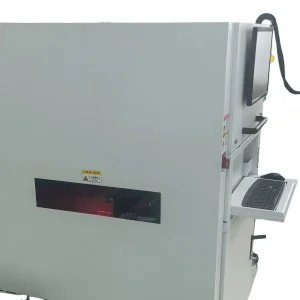
Prevents dust infiltration, significantly lowering equipment failure risks.
Maintains original surface accuracy, preserving material quality during non-contact processing.