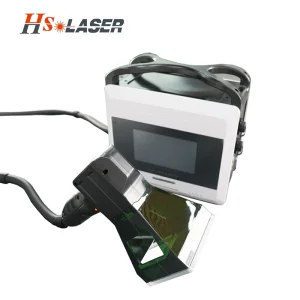
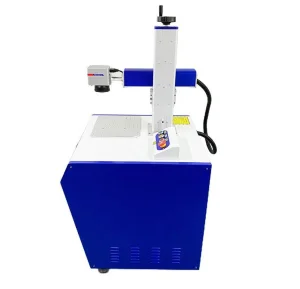
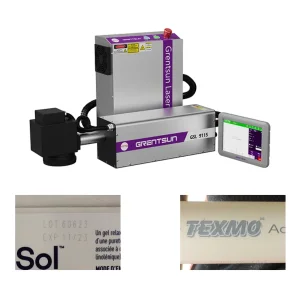
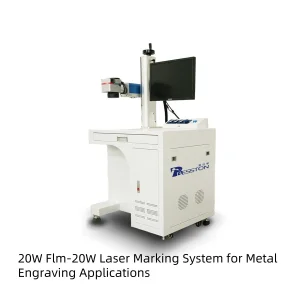
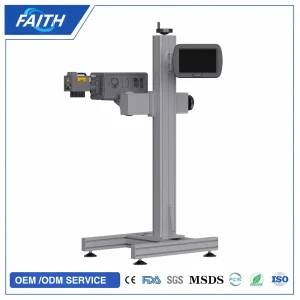
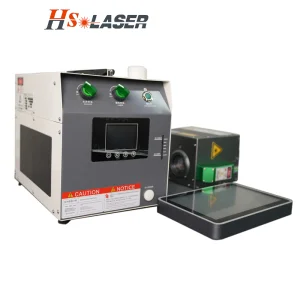
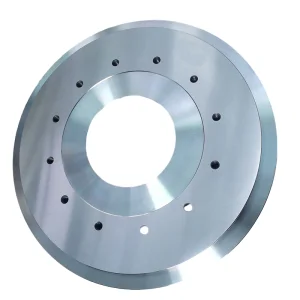
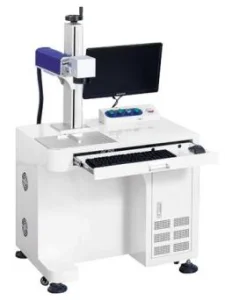
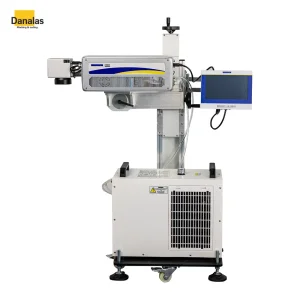
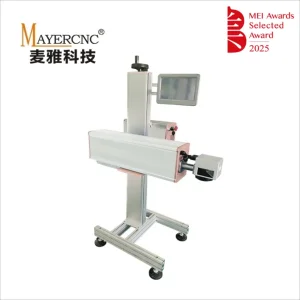
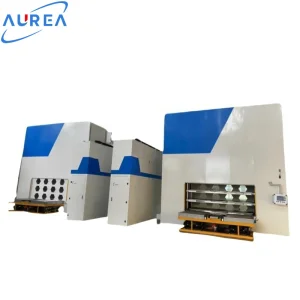
Explore our premium machinery range engineered for high precision, material versatility, and prolonged industrial life cycles.
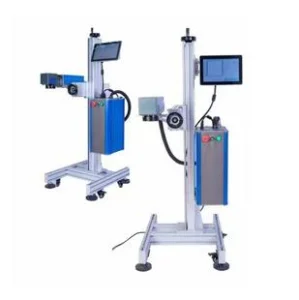
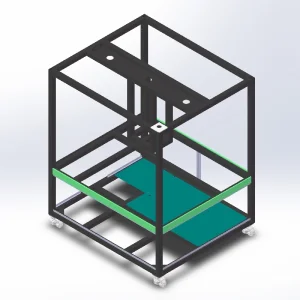
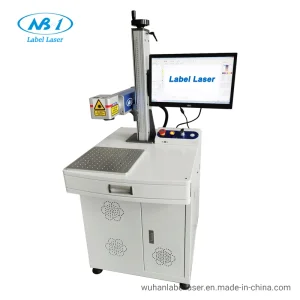
Ningbo STYRL Laser Co., Ltd. is a high-tech enterprise specializing in laser processing technology, positioned as a Laser Marking Machine Manufacturer | Fiber Laser Engraving & Industrial Coding Solutions provider. The company focuses on delivering high-precision, efficient, and stable laser systems widely used in electronics, automotive parts, metal fabrication, packaging, medical devices, and industrial manufacturing sectors.
Founded in 2014 in Ningbo, China, STYRL Laser started as a small laser equipment integration workshop focusing on industrial marking applications. With the rapid development of smart manufacturing and industrial automation, the company expanded its product scope into fiber laser marking systems, CO₂ laser solutions, UV laser marking equipment, and advanced laser welding technologies. By 2018, STYRL had established a complete production and R&D system covering optical design, control software, and machine assembly.
Ningbo STYRL Laser Co., Ltd. continues to serve customers across Europe, Southeast Asia, the Middle East, and South America. With a strong commitment to innovation, quality, and intelligent manufacturing, the company is dedicated to advancing laser technology and providing reliable industrial laser marking and coding solutions for global customers.
| Established | 2014 (Ningbo, China) |
| Key Focus Areas | Fiber, UV, CO2, OEM System Design |
| Core Markets | Europe, SE Asia, Middle East, Americas |
| Compliance | FDA, CE, ISO 9001 Integration Ready |
Understanding the unique physics and application spectrum of CO2 laser welding across heavy industries.
In modern automotive manufacturing, lightweighting demands the fusion of dissimilar materials. CO2 laser welding, operating at a 10.6 µm wavelength, provides optimal surface absorption rates for high-strength steel, aluminum alloys, and composites, forming structurally sound welds with minimized heat-affected zones (HAZ).
Battery enclosures, heavy copper busbars, and complex thermal management components rely on high-fidelity, hermetically sealed joints. Our custom optical systems shape beam profiles to eliminate spatter, protecting sensitive electronic sub-assemblies during the automated welding process.
For structural steel components, thick tubes, and custom sheet metal enclosures, CO2 welding systems deliver deep penetration keyhole welds. This reduces the number of passes required, accelerating throughput for infrastructure fabrication compared to traditional MIG/TIG processes.
Years of R&D Mastery
Exporting Destinations
Optimized Beam Tuning
Ultra-fine Positioning Tolerances
Analyzing key physical attributes and behavior models across various laser technologies to identify the best industrial solution.
| Laser Source Technology | Wavelength (Typical) | Key Absorption Materials | Keyhole Penetration Profile | Automated OEM Integration Capability |
|---|---|---|---|---|
| CO2 (Gas Phase RF-Excited) | 10.6 µm / 9.4 µm | Polymers, Glass, Non-ferrous Metals, Thick Quartz | Deep, uniform keyhole with minimal micro-cracking | Excellent via industrial CNC/Galvanometer path integrations |
| Fiber (Solid State) | 1.06 µm | Ferrous Metals, Copper, Brass alloys | Extremely narrow, high aspect ratio, higher risk of spatter | Standard modular fiber optic cable delivery |
| UV (Solid State/DPSS) | 355 nm | Thin Film Polymers, Ultra-thin Silicon, Sapphire | Shallow, cold ablation (marking/cutting rather than joining) | Ideal for micro-electronic assembly structures |
While fiber lasers have dominated metallic sheet metal processing due to their flexible fiber delivery, CO2 laser welding technologies retain critical engineering advantages in heavy-gauge non-metal fusion, quartz and glass hermetic sealing, and specialized welding of dissimilar materials where high thermal diffusivity must be compensated by continuous, broad-area power distributions.
Our engineering services cater specifically to global importers, machinery builders, and custom manufacturing plants requiring tailored laser processing heads, power supply units, and automation cabinets.
As qualified exporters of complex optical systems, Ningbo STYRL Laser Co., Ltd. handles international distribution barriers by maintaining adherence to global freight compliance regulations. Whether you require customized CO2 Laser configurations shipped to European automotive hubs or industrial parks in Southeast Asia, our logistics team coordinates seamless multi-modal transit options.
Our localized support structure relies on partnerships with regional system integrators. By training local technicians on STYRL optic replacement procedures, mirror alignment calibrators, and RF tube regeneration pipelines, we guarantee minimize downtime for your factory floor.
Ensuring system durability and operational compliance across international manufacturing borders.
Every custom system we export conforms strictly to EU standards including EN 60825-1 for laser safety, making them safe for installation in high-density European manufacturing zones.
For medical device markings and surgical tool laser processing, STYRL systems feature traceable, audited configurations meeting CDRH standards for radiation safety and operational consistency.
From the raw optical prisms to the aluminum extrusion frameworks, our entire assembly and testing process undergoes rigorous documentation, facilitating full supply chain traceability.
How STYRL is driving technological advancements to meet the next generation of industrial automation.
Our upcoming product generation combines high-speed coaxial cameras with real-time AI algorithms to detect keyhole micro-defects during the weld cycle, signaling automated rejection protocols instantly.
Researching combined wavelength systems (such as pairing a 10.6 µm CO2 laser with a 1.06 µm Fiber laser) to exploit the distinct optical absorption benefits of both wavebands in one focused beam.
Optimizing RF-excited gas cooling technology to lower electrical power consumption of CO2 lasers by up to 25%, drastically improving energy efficiency ratings for large-scale operations.
Answering key queries on material constraints, OEM/ODM processes, and technical parameters.
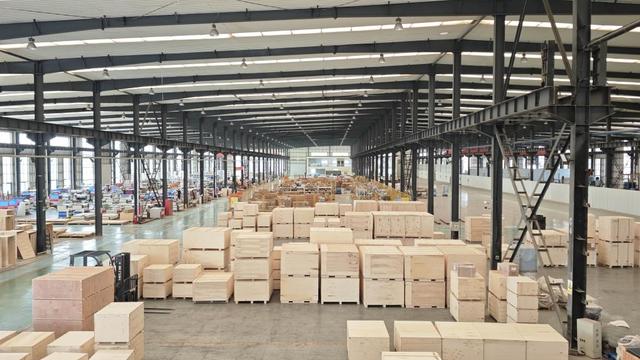
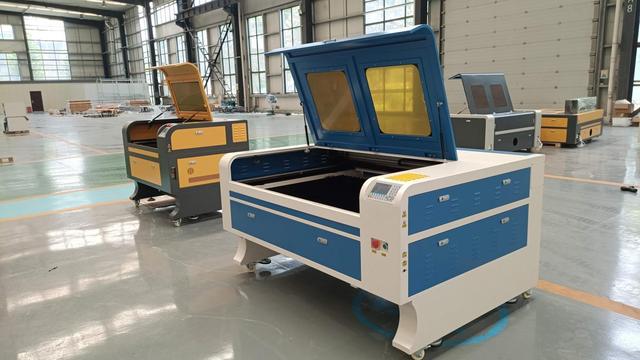
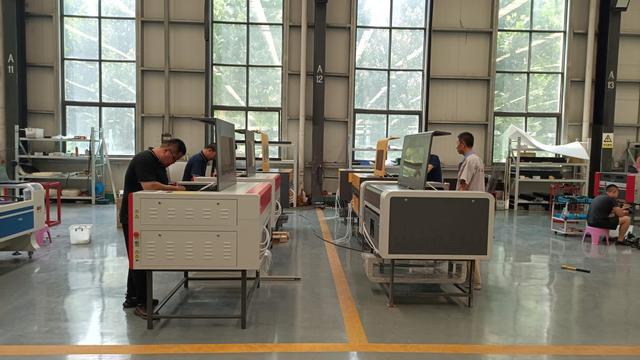
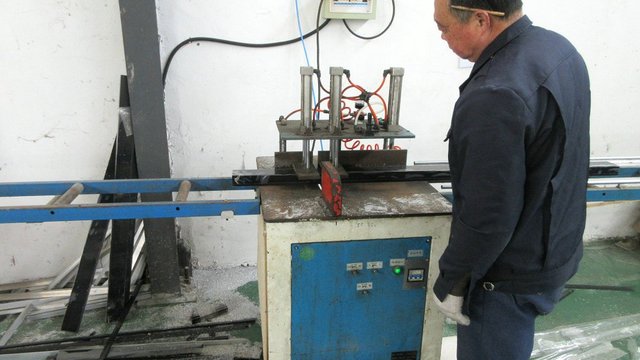
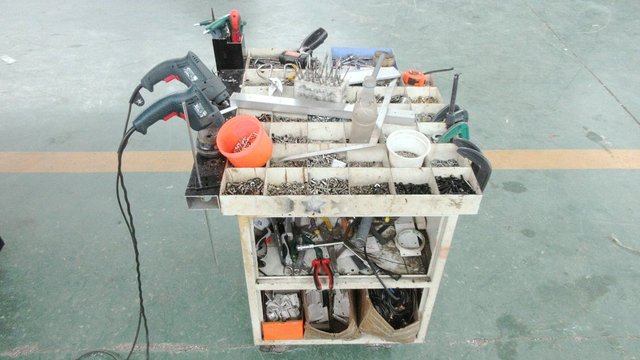
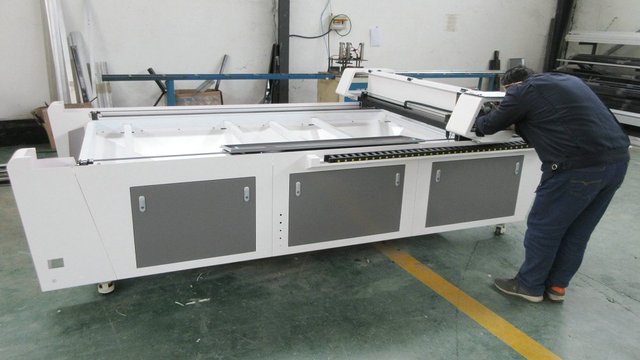
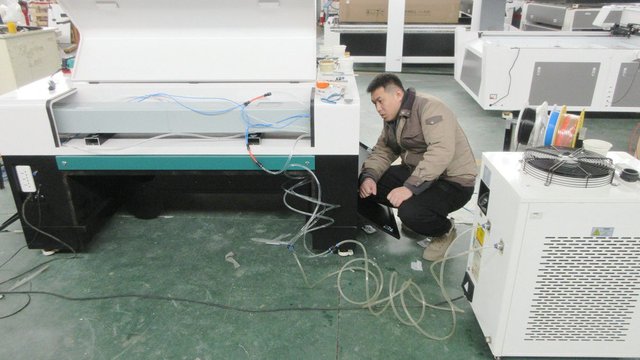
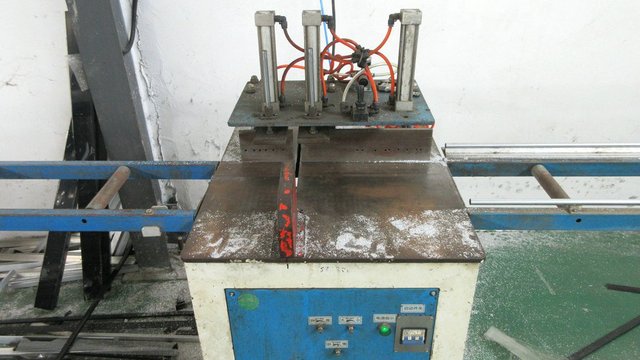
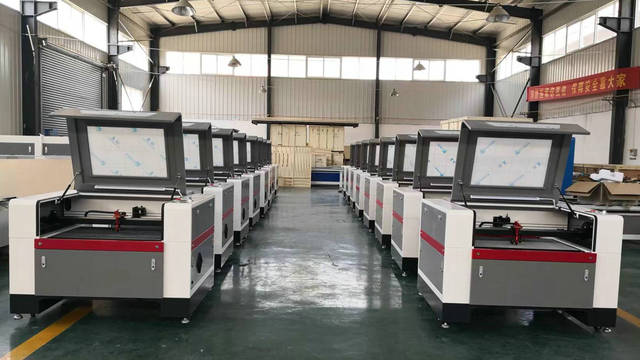
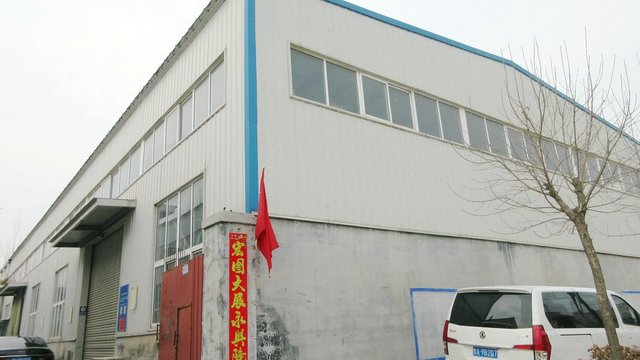
A glimpse into our modern production floors, testing bays, and optical alignment cleanrooms.
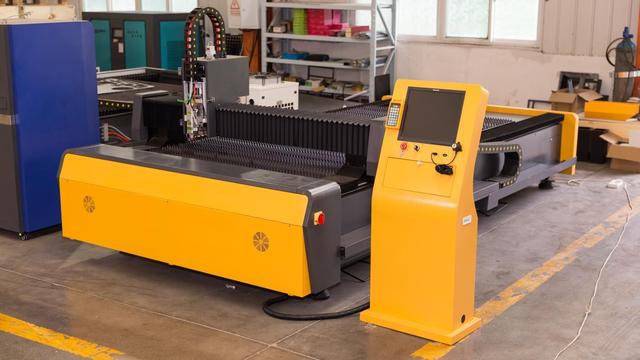
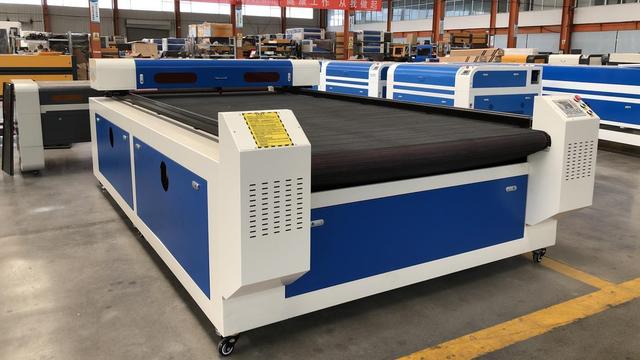
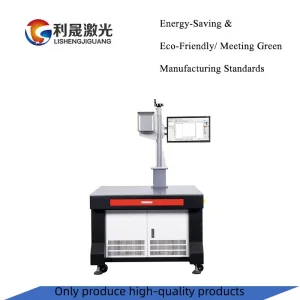
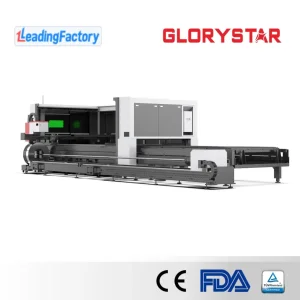
Browse our advanced UV systems, high-speed scanners, and precision mechanical hardware.
 STYRL Laser