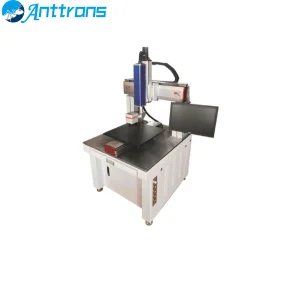
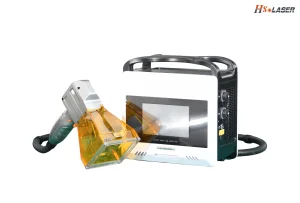
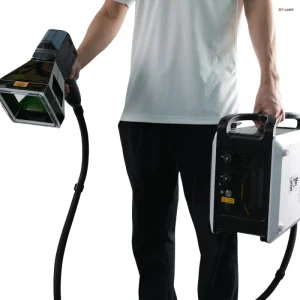
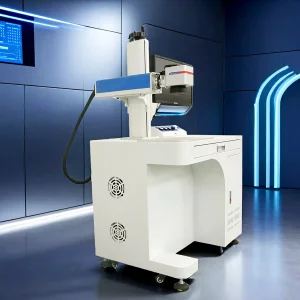
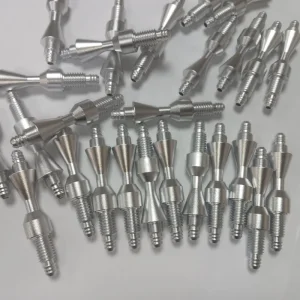
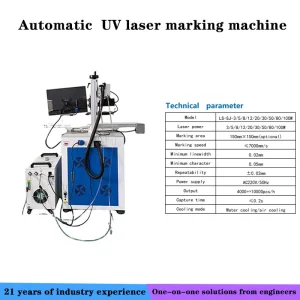
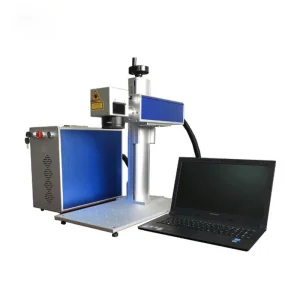
Explore our high-performance components and turnkey industrial systems designed for deep marking, ultra-fast coding, and complex laser machining.
Setting the Standard in Advanced Laser Marking, Engraving, and Traceability Engineering since 2014.
Ningbo STYRL Laser Co., Ltd. is a high-tech enterprise specializing in laser processing technology, positioned as a Laser Marking Machine Manufacturer | Fiber Laser Engraving & Industrial Coding Solutions provider. The company focuses on delivering high-precision, efficient, and stable laser systems widely used in electronics, automotive parts, metal fabrication, packaging, medical devices, and industrial manufacturing sectors.
Founded in 2014 in Ningbo, China, STYRL Laser started as a small laser equipment integration workshop focusing on industrial marking applications. With the rapid development of smart manufacturing and industrial automation, the company expanded its product scope into fiber laser marking systems, CO₂ laser solutions, UV laser marking equipment, and advanced laser welding technologies. By 2018, STYRL had established a complete production and R&D system covering optical design, control software, and machine assembly.
Today, the company operates modern manufacturing facilities equipped with precision optical testing systems, CNC machining centers, and automated assembly lines. Its laser solutions are designed for high-speed operation, deep engraving accuracy, and long-term industrial stability, meeting the strict requirements of global manufacturing industries. Ningbo STYRL Laser Co., Ltd. continues to serve customers across Europe, Southeast Asia, the Middle East, and South America. With a strong commitment to innovation, quality, and intelligent manufacturing, the company is dedicated to advancing laser technology and providing reliable industrial laser marking and coding solutions for global customers.
Why Tier-1 global manufacturers source their advanced optical components and laser machinery directly from China's industrial clusters.
China's coastal manufacturing corridors, especially around the Ningbo-Zhejiang cluster, support a highly integrated industrial ecosystem. From ultra-stable optical crystals and high-speed galvanometer scanners to robust aluminum casings, every link of the supply chain is localized. This proximity minimizes raw material lead times and enables rapid prototyping, allowing suppliers like Ningbo STYRL Laser to design, test, and ship tailored laser machinery in a fraction of the time required by Western competitors.
By consolidating manufacturing lines and capitalizing on local engineering talents, Chinese exporters significantly lower production overheads without sacrificing optical performance. The direct-from-factory business model cuts out middleman fees, passing the savings to global procurers. This competitive cost structure allows factories to invest in higher-quality components, such as imported European fiber sources or premium IPG/Raycus modules, offering a superior cost-to-performance ratio.
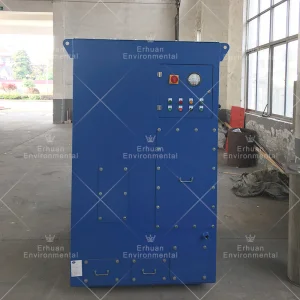
Leading Chinese exporters comply strictly with European Union (CE) directives and FDA standards in the United States. Modern laser manufacturers incorporate integrated safety shutters, electromagnetic compatibility (EMC) shielded components, and built-in industrial dust-extraction solutions (such as our Advanced Industrial Purifier System) to ensure zero-harm, high-compliance working environments across Western markets.
The industrial laser field is transitioning toward higher energy density, intelligent control loops, and wavelength versatility. Key trends driving the industry forward include:
Industrial lasers are no longer simple engraving tools; they are essential for permanent product marking and high-precision structural alterations:
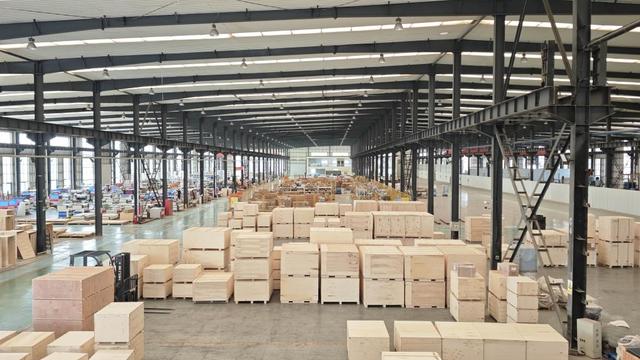
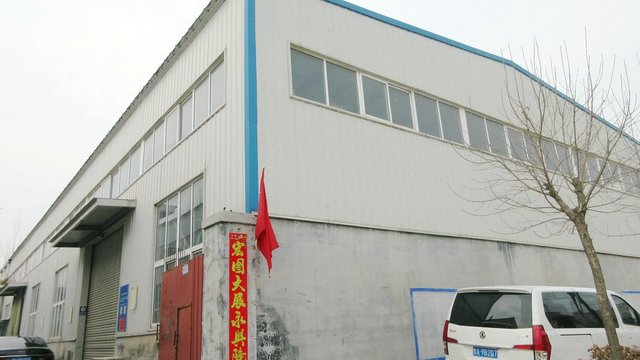
A tour inside Ningbo STYRL Laser's production lines, optical assembly cleanrooms, and computerized testing bays.
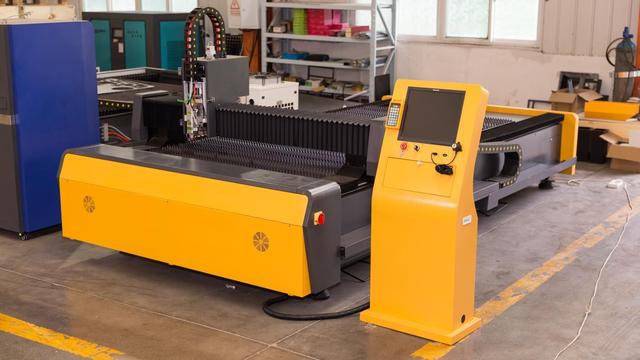
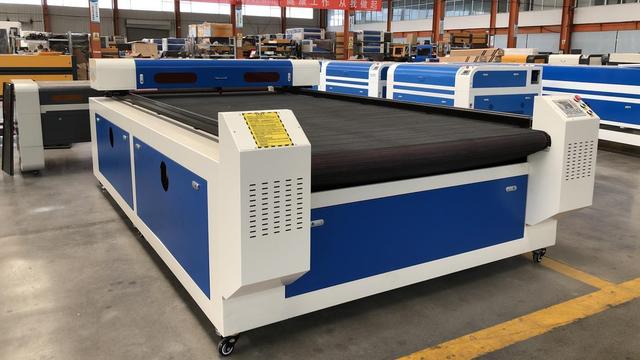
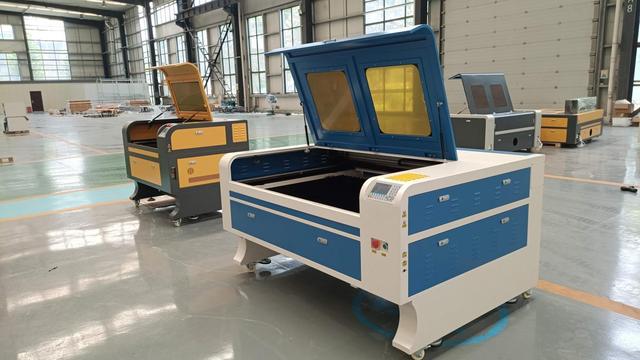
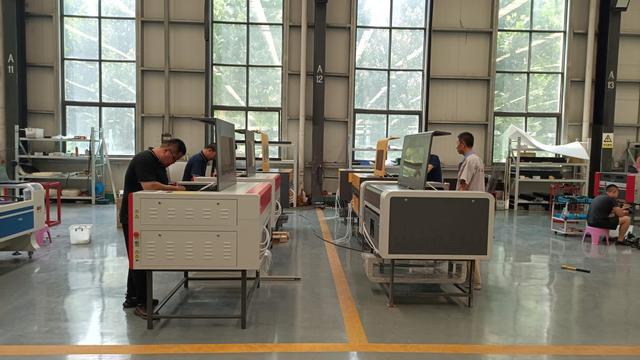
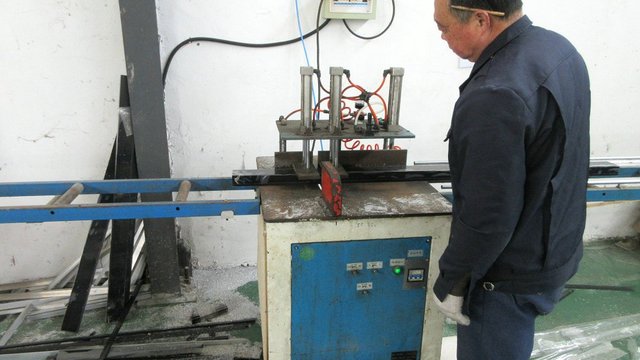
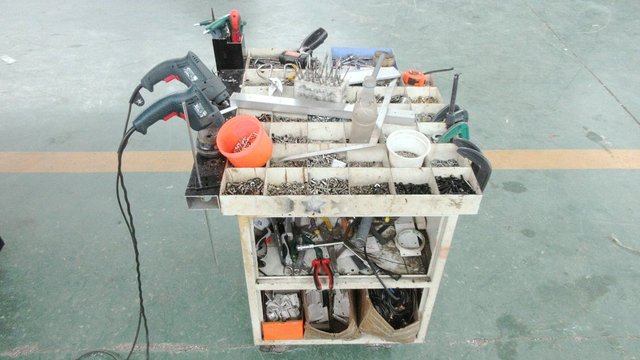
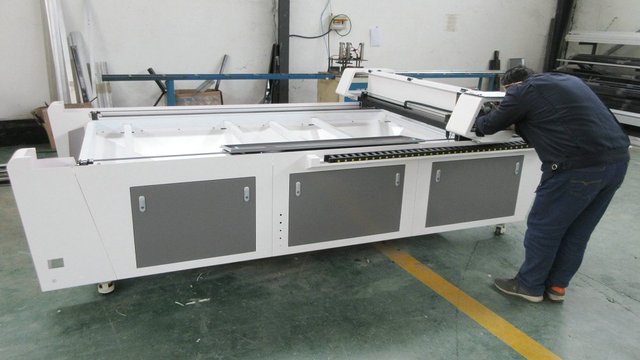
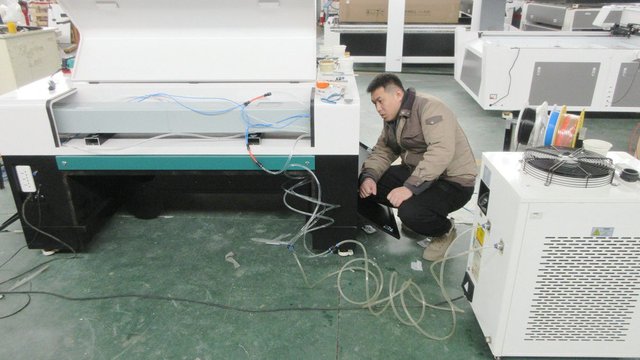
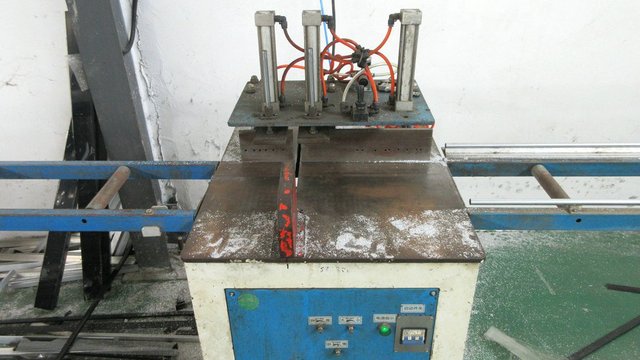
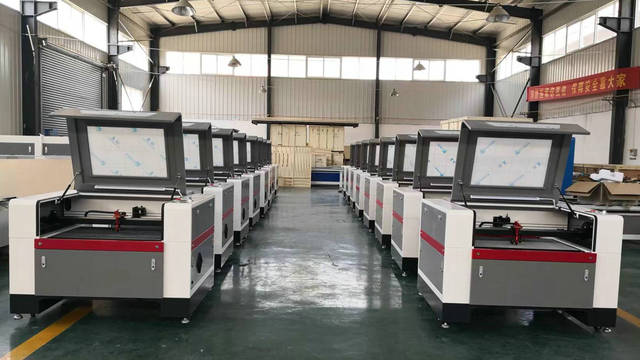
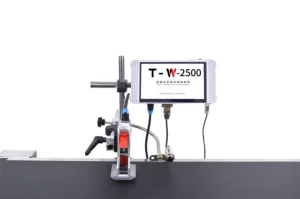
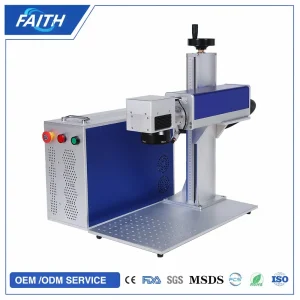
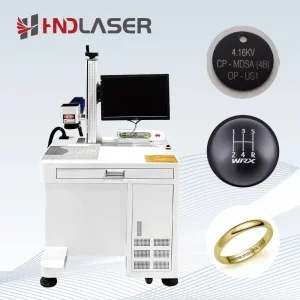
Custom setups, split-fiber designs, and UV units built to deliver permanent marks and precision cuts across challenging materials.
A comprehensive framework detailing variables and criteria for industrial procurement managers.
Procuring industrial-grade laser platforms requires analyzing variables beyond initial machine costs. Key performance metrics ensure high uptime and integration into automated lines:
The choice of laser source defines the operational lifespan. High-end solid-state fiber laser sources (e.g., Raycus, Maxphotonics, IPG) deliver duty cycles of approximately 100,000 operational hours before power output drops below 90% of nominal rating. In contrast, UV crystal modules degrade faster due to intense photochemical processes on the optical surfaces. Sourcing lasers with cleanroom-certified optical seals is vital to prevent crystal clouding and extend life.
Static resolution relates to the minimum spot size (often down to 10 micrometers). However, dynamic positioning accuracy—driven by galvanometer scan heads—is what maintains detail at high engraving speeds. A quality galvo system, featuring dual silicon-carbide mirrors and digital driver boards, maintains repeatability tolerances of ≤±0.002mm. This precision prevents distortions when etching 2D barcodes onto compact electronic components.
High-energy lasers vaporize substrates, releasing toxic aerosols, microscopic metal particulates, and volatile organic compounds (VOCs). A robust industrial extractor system with multi-stage filtration (coarse pre-filter, HEPA layer, and activated carbon block) is essential. Deploying these units protects operators and prevents particulate buildup on focusing lenses, which can cause beam scattering and premature optical failure.
Uptime is a critical metric in heavy manufacturing. Reliable suppliers utilize standardized component designs, allowing factory managers to source off-the-shelf power supplies, stepper motors, and sensors locally. Furthermore, technical support teams should offer remote software diagnostics via secure network tunnels, facilitating real-time troubleshooting and reducing the need for on-site engineering visits.
Get answers to common technical, logistics, and operational questions regarding industrial laser sourcing.
Fiber lasers operate at a wavelength of 1064nm, making them ideal for high-contrast etching on metals and hard plastics. UV lasers work at a cold-processing wavelength of 355nm, allowing them to mark glass, acrylic, and delicate medical polymers without causing thermal stress. CO2 lasers utilize a 10600nm wavelength, which is absorbed well by organic materials like wood, paper, textiles, and glass.
Our assembly plant subjects each laser chassis to modal vibration testing to eliminate structural resonance. Optical pathways are aligned in Class-10,000 cleanrooms using optical power meters and beam profilers. Each machine undergoes a continuous 72-hour burn-in phase, ensuring electronic and galvo component reliability before final crating and dispatch.
Our laser solutions feature integrated mechanical safety shutters, interlocked protective housings (for Class 1 laser systems), and dual-circuit emergency stop buttons. Galvanometers are equipped with optical feedback circuits that disable the pump source if mirror misalignment is detected, protecting the operator from unexpected reflections.
Yes, our controller boards support standard industrial protocols including TCP/IP, Modbus, and serial interfaces. Our SDK and API modules allow software engineers to link laser systems directly to local MES or ERP software, enabling automatic serialized code and data generation without manual operator input.
Standard desktop platforms generally ship within 7 to 10 business days. For customized multi-axis gantry platforms, automated pick-and-place lines, or custom fiber lasers, lead times range between 3 to 5 weeks. This allows time for engineering design reviews, custom electrical layout assembly, and thorough quality inspections.
 STYRL Laser