Explore our high-performance industrial lasers, automated robotic welding arms, and precision CNC components custom-engineered for factory integration.
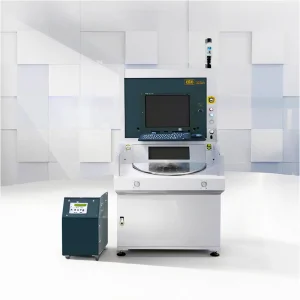
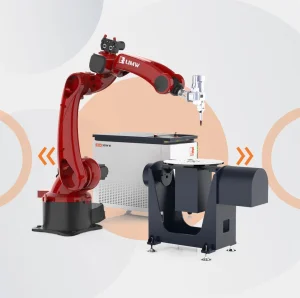
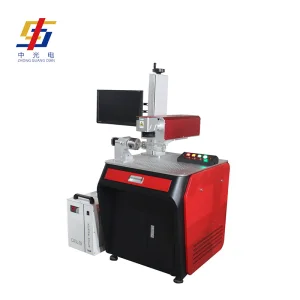
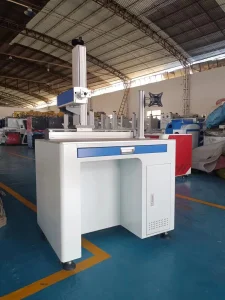
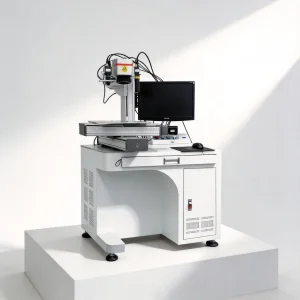
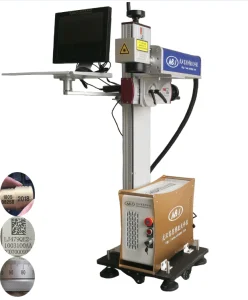
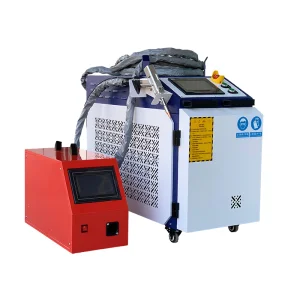
Ningbo STYRL Laser Co., Ltd. is a premier high-tech enterprise specializing in laser processing technology, recognized globally as a leading Laser Marking Machine Manufacturer | Fiber Laser Engraving & Industrial Coding Solutions provider. We focus on delivering high-precision, efficient, and stable laser systems widely used in electronics, automotive components, metal fabrication, packaging, medical devices, and heavy industrial manufacturing sectors.
Founded in 2014 in Ningbo, China, STYRL Laser started as a specialized laser equipment integration workshop focusing on industrial marking applications. With the rapid development of smart manufacturing and industrial automation, the company steadily expanded its product scope into advanced Fiber Laser marking systems, CO₂ laser systems, UV laser marking equipment, and multi-axis laser welding technologies. By 2018, STYRL had successfully built a complete production and R&D system covering advanced optical design, control software development, and precision mechanical assembly.
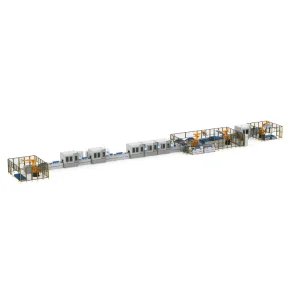
"Today, the company operates modern manufacturing facilities equipped with precision optical testing systems, CNC machining centers, and automated assembly lines. Our laser solutions are engineered for high-speed operation, deep engraving accuracy, and long-term industrial stability, matching the strict requirements of global manufacturing industries."
Ningbo STYRL Laser Co., Ltd. continues to serve customers across Europe, Southeast Asia, the Middle East, and South America. With a strong commitment to innovation, quality, and intelligent manufacturing, the company is dedicated to advancing laser technology and providing reliable industrial laser marking and coding solutions for global customers.
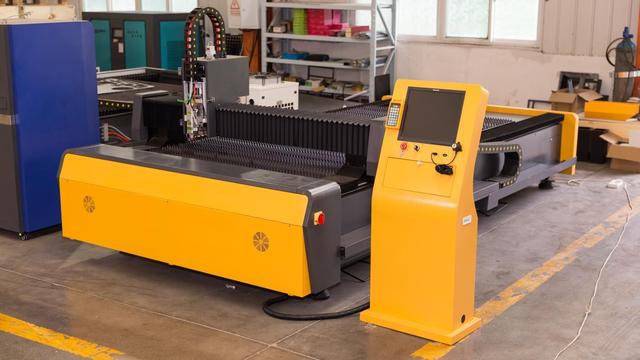
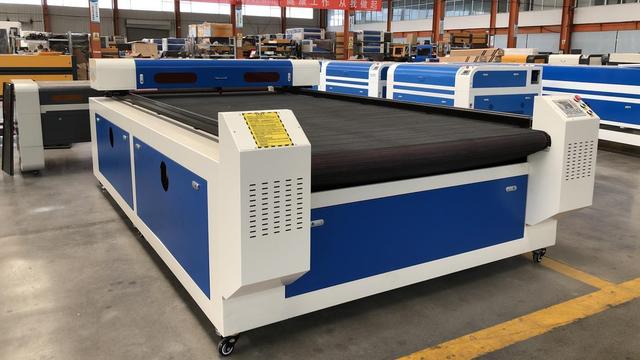
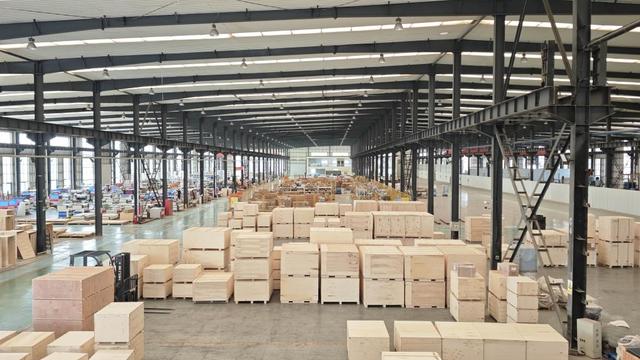
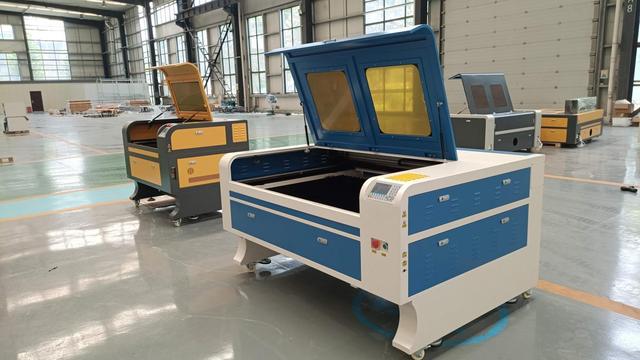
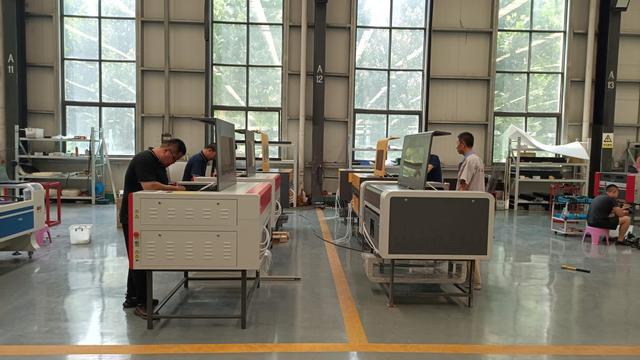
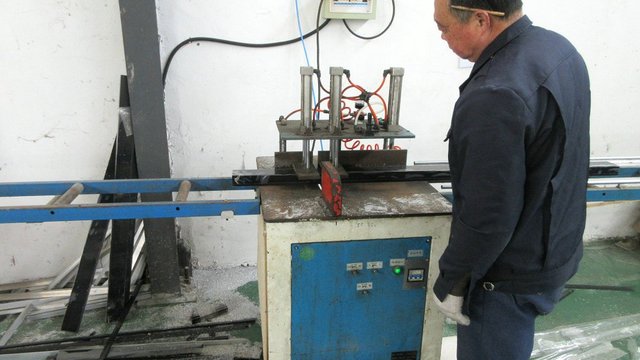
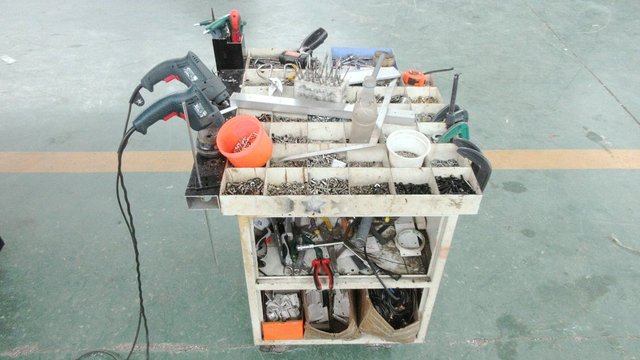
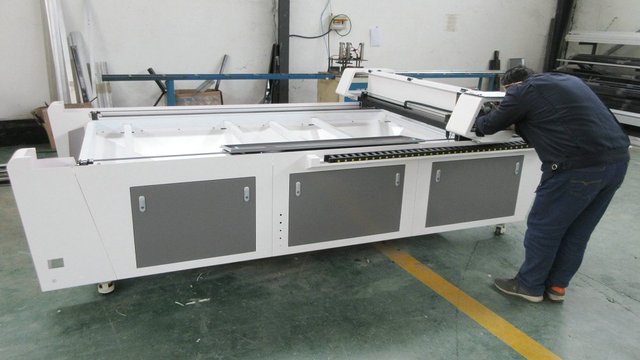
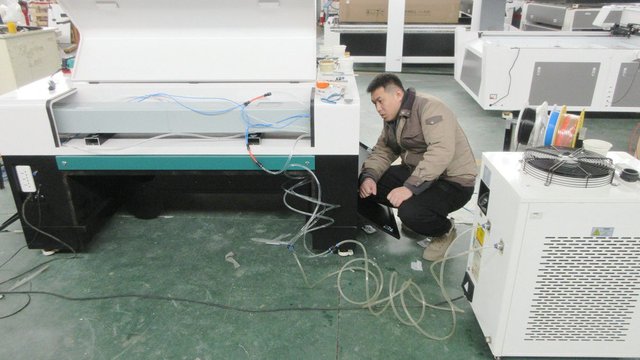
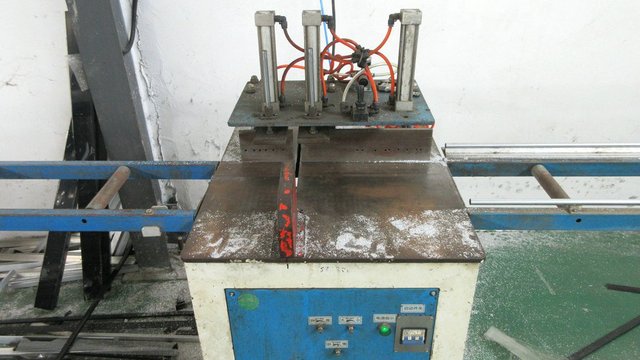
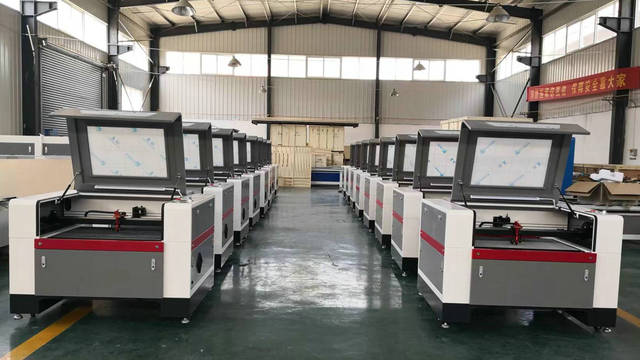
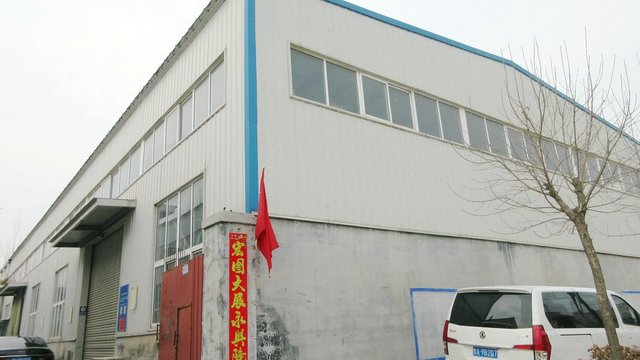
Deep-dive view into the engineering floor, assembly lines, and optical calibration laboratories of Ningbo STYRL Laser Co., Ltd.
How Modern Smart Factories Evaluate and Procure Heavy-Duty OEM Laser Engraving Systems for Long-Term Production Stability.
In the contemporary landscape of manufacturing, traceability is no longer optional—it is a critical compliance standard. Across automotive, medical device, consumer electronics, and semiconductor supply chains, components must feature permanently etched, machine-readable markings that survive extreme environments. Consequently, global procurement managers are moving away from standard off-the-shelf equipment, prioritizing highly customizable OEM laser engraving systems that can be seamlessly incorporated into existing manufacturing operations.
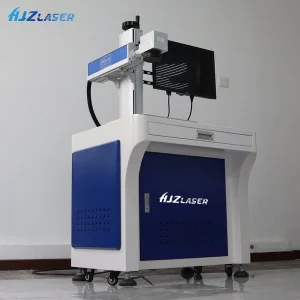
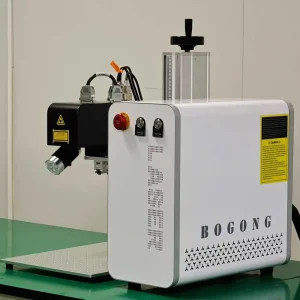
Modern factories require optical engines, galvos, and laser sources packaged in compact, rugged, DIN-rail and rack-mountable enclosures for integration with customized tooling.
Direct communication protocols including Modbus, Ethernet/IP, and PROFINET, alongside comprehensive SDKs, enable hands-free marking based on database inputs.
Industrial lines operating 24/7 demand laser systems with low drift, thermal stabilization, and optical pulse control to maintain barcode readability rates above 99.99%.
Global sourcing dynamics are heavily influenced by the rise of Direct Part Marking (DPM) standards, such as the U.S. FDA's Unique Device Identification (UDI) regulations for medical apparatuses, and automotive GS1 standards. These guidelines call for marking solutions that do not introduce mechanical stresses, chemical toxins, or thermal degradation into the workpiece. Consequently, precision laser marking technology has become the primary standard, replacing older, less reliable ink-jet and dot-peen systems.
A comprehensive overview of system selection criteria based on material absorption curves and industrial parameters.
| Laser Source Type | Wavelength (nm) | Primary Target Materials | Typical Optical Application | Key Advantage |
|---|---|---|---|---|
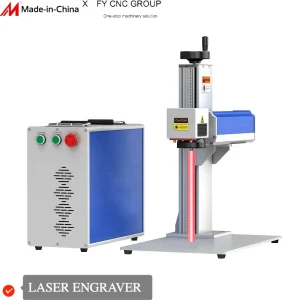
| Fiber Laser (Q-Switched / MOPA) | 1064 nm | Stainless steel, aluminum, brass, engineered plastics | Deep metal engraving, annealing, color marking | High pulse power, maintenance-free up to 100k hours |
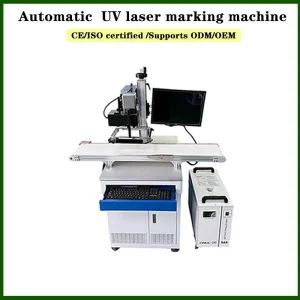
| UV Laser (Cold Marking) | 355 nm | Glass, sapphire, silicon wafers, HDPE/LDPE plastics, air switches | Micro-marking, micro-drilling, high-contrast thermo-chemical markings | Negligible Heat-Affected Zone (HAZ), zero micro-fracturing |
| CO₂ Laser | 10,600 nm / 9,300 nm | Wood, acrylics, rubber, leather, paper, stone packaging | High-speed cutting, vector scoring, organic substrate engraving | Excellent absorption on organic non-metal materials |
| MOPA (Variable Pulse Width) | 1064 nm (pulsed) | Anodized aluminum, thin foils, multi-layered polymers | Black marking on aluminum, damage-free film stripping | Adjustable pulse width (2ns to 500ns) for precision control |
Every laser system developed by Ningbo STYRL Laser Co., Ltd. undergo rigorous optical validation. Sourcing engineers must determine if the thermal load of a 1064nm near-infrared beam will cause structural issues in thin-walled metal casings or critical components. When dealing with heat-sensitive materials (such as electronic connectors and medical-grade polymers), our UV cold-marking technology offers an optimal solution, using photochemical absorption to alter molecular bonds directly without relying on heat.
How STYRL is engineering the future of industrial-grade photonics and adaptive laser processing systems.
Focused on developing robust galvo-scanning driver cards, custom software algorithms, and building manual-load fiber laser systems.
Introduction of customized 3D-galvo focusing systems, flying-on-the-fly (FOTF) optical capabilities, and multi-axis industrial robotic arms.
Development of closed-loop machine vision arrays that automatically detect workpiece positioning, adjust focus offsets, and verify code legibility.
Focusing on industrial sub-nanosecond lasers, automated smart welding stations, and remote cloud diagnostic suites for industrial clients.
A look at how global manufacturers implement specialized laser engraving systems across various industrial verticals.
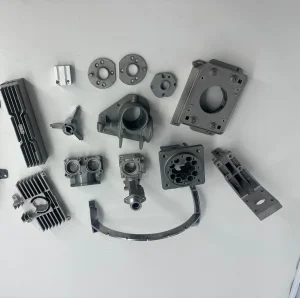
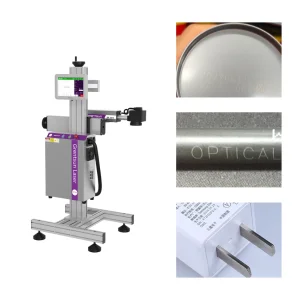
Modern automotive components require high-duty marking systems capable of surviving extreme mechanical stress, heat, and corrosive fluids. STYRL's Fiber Laser systems produce deep, high-contrast, structural marking profiles directly onto steel blocks, cast aluminum housings, and transmission elements. These systems integrate smoothly into active robotic assembly cells, exchanging coordination signals through standardized fieldbus interfaces.
Medical instruments demand dark, corrosion-resistant markings that remain completely legible through repeated autoclave cycles. Our 3D Fiber and UV lasers deliver precise markings on surgical metals (such as titanium and stainless steel alloys) and biomedical-grade plastics without altering surface profiles or compromising chemical integrity, ensuring full compliance with FDA UDI requirements.
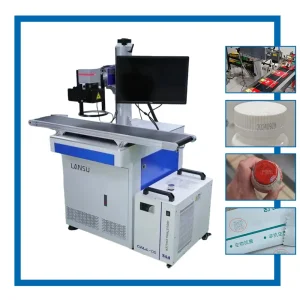
Production speed, precision, and low heat generation are critical requirements when marking PCBs, silicon, and micro-sensors. STYRL's high-performance UV laser systems create sharp, high-density 2D codes, logos, and identification text with minimal thermal impact, safeguarding fragile internal circuit paths.
Every OEM laser system is built to international standards, ensuring safe integration into high-performance industrial lines.
Industrial laser systems are high-power devices that require careful optical isolation and electrical design to protect machine operators. STYRL Laser integrates safety mechanisms, interlock circuits, and localized field engineering to meet global standards.
Detailed technical answers for procurement directors, system integrators, and plant engineers.
Q-switched fiber lasers use an optical switch inside the cavity to generate high-power pulses at a fixed pulse duration (typically 100ns to 120ns). In contrast, MOPA (Master Oscillator Power Amplifier) lasers decouple the pulse-generating seed laser from the power amplifier, allowing adjustable pulse widths from 2ns to 500ns.
Procurement Benefit: MOPA lasers offer greater flexibility for delicate plastic marking, high-contrast black marking on anodized aluminum, and stripping thin films without damaging underlying substrates.
UV lasers operate at a 355nm wavelength, which is absorbed at a higher rate by most materials. The high photon energy alters chemical bonds directly—a process called photochemical interaction or "cold marking"—rather than relying on heat.
Fiber lasers (1064nm) use heat to create markings, which can cause micro-cracks or leave carbon residues on medical plastics. These areas can harbor bacteria or cause corrosion during autoclaving. UV lasers create clean, dark, and flat markings on medical instruments while maintaining surface integrity.
Our OEM laser systems are designed with industrial connectivity in mind. The control boards support TCP/IP, Modbus, PROFINET, and EtherNet/IP communication protocols, allowing direct integration with industrial PLCs.
We provide a comprehensive software SDK and dynamic link libraries (DLL) for custom software integration. This setup enables your Manufacturing Execution System (MES) to feed data dynamically, trigger the marking process, and receive confirmation signals without manual operator input.
OEM laser sources are typically classified as Class 4 devices when sold as bare modules. To ensure operator safety, they must be integrated into light-tight Class 1 safety enclosures equipped with safety interlocks, laser safety glass windows, and proper ventilation/fume extraction.
Our engineering team can assist you in designing these enclosures and selecting the correct optical filters, ensuring your final assembly meets international safety regulations like FDA CDRH and CE EN 60825-1.
Our solid-state fiber laser systems are virtually maintenance-free. With no consumable gas or lamps to replace, they offer an operational lifetime of up to 100,000 hours.
Daily maintenance is limited to simple checks: keeping the protective output lens clean from dust, ensuring the cooling system functions properly, and maintaining correct alignment. We recommend using a fume extractor during operation to prevent debris from settling on the optical window.
Explore more specialized industrial production line systems, high-power welding cells, and medical device marking systems.
 STYRL Laser