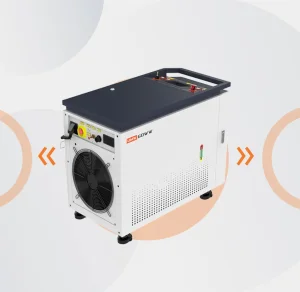
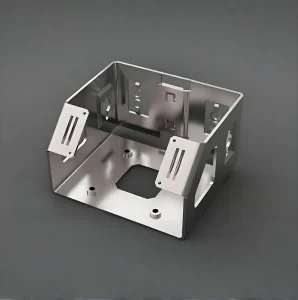
Optimized sheet metal laser welding setups and systems ready for shipping, installation, and commissioning across Windhoek, Walvis Bay, and the Erongo region.
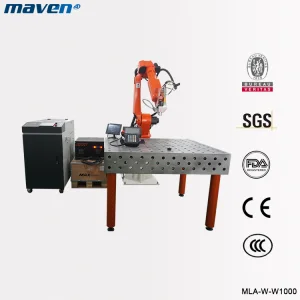
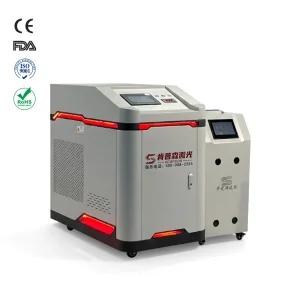
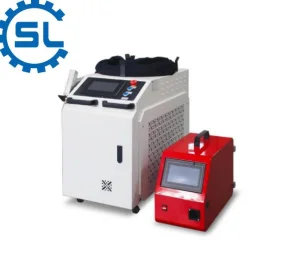
Namibia is rapidly transforming its economic architecture under the national directive of Vision 2030 and the Harambee Prosperity Plan II. Key economic pillars—primarily mining (diamonds, uranium, zinc, copper), maritime logistics at Walvis Bay Port, and regional power grid expansions—demand robust industrial components capable of withstanding the harsh Namibian environment. Historically, heavy fabrication relies on traditional ARC, MIG, and TIG welding processes. However, these legacy systems introduce significant heat-affected zones (HAZ), causing high distortion, residual stress, and labor-intensive post-weld cleanup.
As the Southern African Development Community (SADC) logistics corridor expands, Namibia acts as a gateway for landlocked neighbors like Botswana, Zambia, and Zimbabwe. This logistical integration necessitates a localized supply of high-grade enclosures, control cabinets, and customized steel structures. Adopting advanced sheet metal laser welding systems has changed from a capital upgrade to an essential strategy for local fabricators aiming to meet international quality standards and supply chain expectations.
Did you know? Namibia's industrial sectors suffer from high energy costs and a shortage of highly specialized manual welders. Fiber laser welding systems cut energy consumption by up to 50% compared to traditional plasma or heavy MIG systems, while enabling semi-skilled operators to produce ASME-grade welds after minimal training.
Providing customizable solutions to match Namibia's unique geographic, climatic, and industrial challenges.
| Parameters / Needs | Traditional TIG / MIG Welding | STYRL Fiber Laser Welding |
|---|---|---|
| Heat Input | High (causes metal warp & coloration) | Ultra-Low (concentrated spot size) |
| Welding Speed | 0.1 - 0.3 m/min | 1.0 - 5.0 m/min |
| Joint Strength | Inconsistent, reliant on operator skill | Highly consistent deep penetration (>95% parent material strength) |
| Operating Cost | High gas, wire, and polishing consumption | Low utility draw, minimal consumables |
World-class manufacturing capability, optical design, and precision integration exported from Ningbo, China directly to Namibian ports.
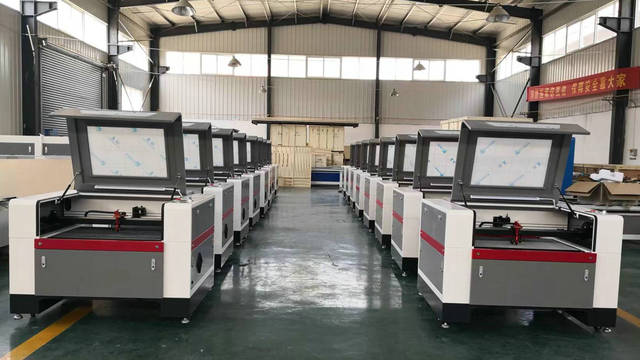
Ningbo STYRL Laser Co., Ltd. is a high-tech enterprise specializing in laser processing technology, positioned as a leading Laser Marking Machine Manufacturer | Fiber Laser Engraving & Industrial Coding Solutions provider. Founded in 2014 in Ningbo, China, STYRL Laser started as an industrial marking and coding systems integrator. With the rapid development of smart manufacturing, the company expanded its R&D and manufacturing capacity into high-power fiber laser welding systems, 6-axis welding robotics, and modular sheet metal cabinet manufacturing systems.
Operating out of state-of-the-art facilities, STYRL utilizes premium components (including IPG/Raycus laser sources, Hanli chillers, and custom software) to deliver long-term industrial stability. For Namibian fabricators, this translates to high-speed operation, deep penetration accuracy, and low maintenance overheads. By bypassing middle-tier distributors, Namibian enterprises gain direct factory access to custom engineering, replacement parts, and deep technical expertise.
Our commitment to Quality, Integrity, and Continuous Innovation enables us to export our products worldwide, conforming with strict European CE certification guidelines. Whether you are managing a precision sheet metal shop in Windhoek, a mining processing facility in the Namib Desert, or a logistics maintenance bay in Walvis Bay, STYRL Laser supplies systems tailored to Namibia’s environment—specifically designed with upgraded dual-stage dust filtering and specialized cooling capacity to handle ambient desert temperatures up to 45°C.
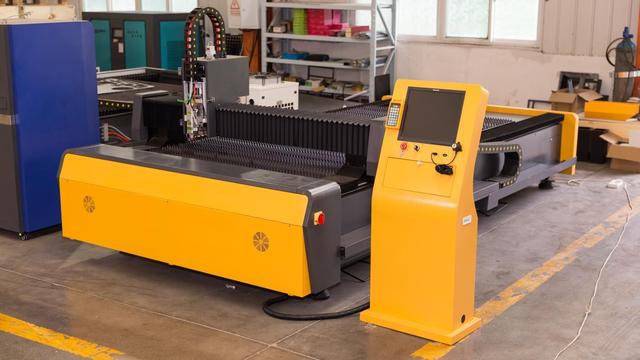
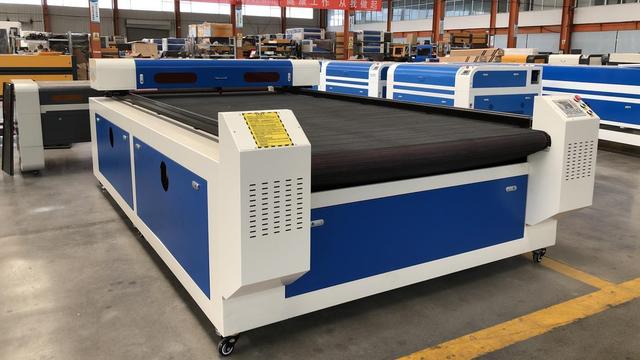
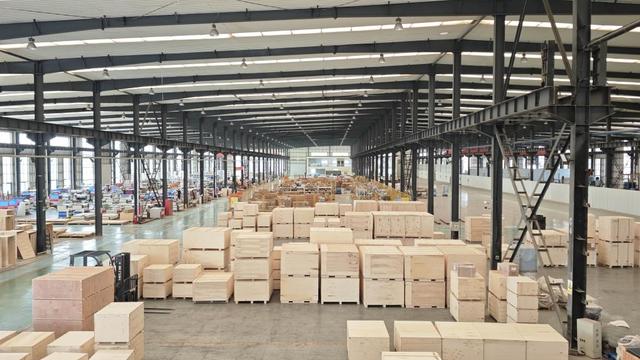
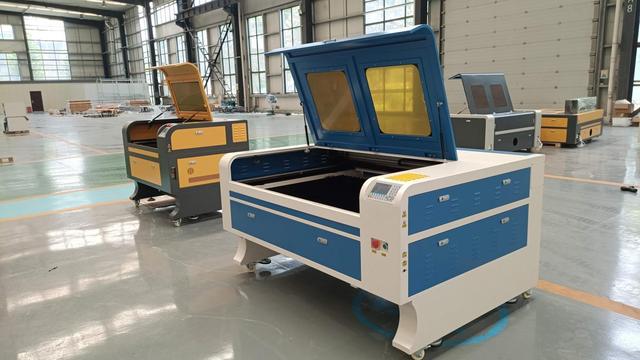
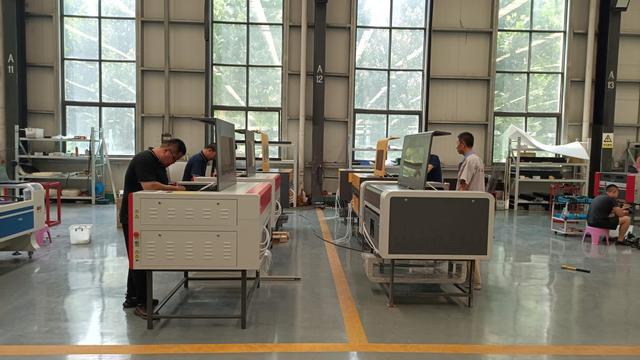
Understanding the import process, electrical configurations, and service agreements for industrial laser systems shipped from China to Namibia.
Importing large-scale industrial machinery into Namibia is highly optimized through the Port of Walvis Bay, managed by Namport. This terminal handles containerized cargo with direct transport corridors linking Windhoek, the Erongo mines, and neighboring SADC states. Our export division coordinates ocean freight under standard Incoterms (CIF, FOB, DDP), ensuring that your laser equipment is crated in IPPC-certified, moisture-barrier wooden packaging to safeguard sensitive optics against sea spray and humidity.
Additionally, we ensure all customs documentation conforms with the Namibian Revenue Agency (NamRA) requirements, including Harmonized System (HS) codes for laser welding machines, certificate of origin, and CE declaration of conformity to prevent clearance delays.
Standard Namibian industrial electricity runs at 400V, 3-Phase, 50Hz. All STYRL high-power laser welding systems are built with transformer modules specifically designed to handle localized voltage fluctuations. Furthermore, Namibia's high elevations (e.g., Windhoek at 1,650 meters) and dusty environments can strain standard components. We integrate high-flow dual-cycle water chillers and sealed cabinets to maintain dustproof (IP54/IP65) separation, safeguarding your fiber laser source from sand ingress and premature wear.
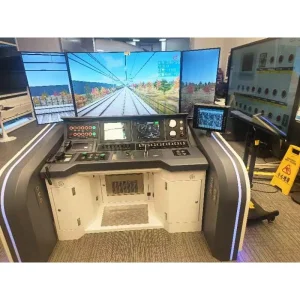
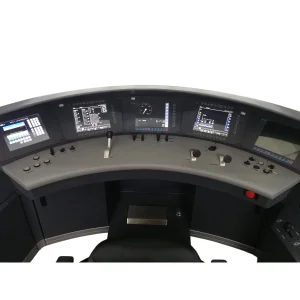
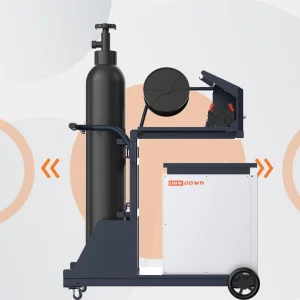
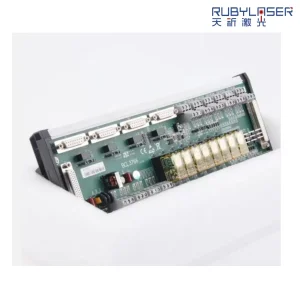
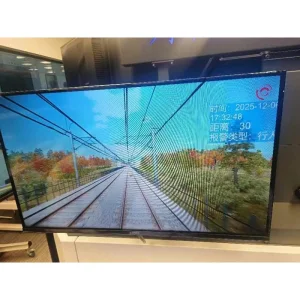
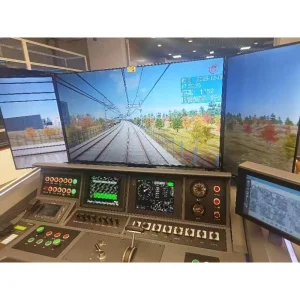
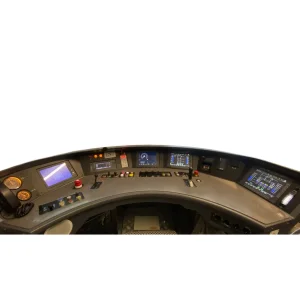
Explore our technical range, featuring portable welding units, thick-sheet CNC laser controls, and integrated rail simulation platforms.
Providing authoritative insights on fiber laser welding systems, local regulatory compliance, operational training, and technical parameters.
Contact Ningbo STYRL Laser Co., Ltd. today. Get detailed system specifications, customized pricing for the Namibia market, and professional technical consultancy tailored to your industry.
 STYRL Laser