Pioneering precision systems custom-engineered for modern manufacturing, welding, and material dispensing workflows.
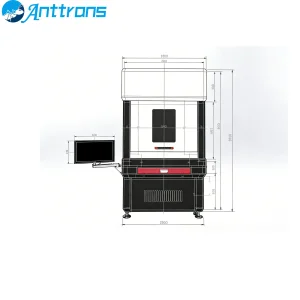
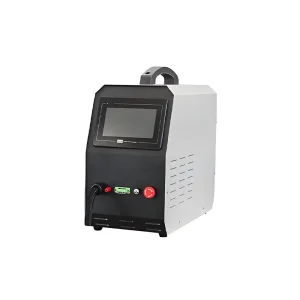
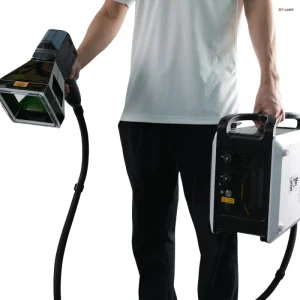
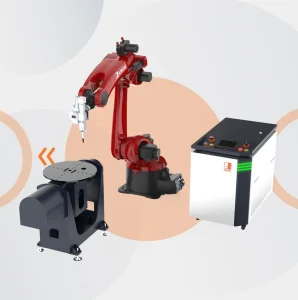
Founded in 2014 in Ningbo, China, Ningbo STYRL Laser Co., Ltd. has evolved from a specialized laser integration workshop into a premier global powerhouse for industrial laser marking, engraving, welding, and automation systems. Today, we stand as an industry-leading Laser Marking Machine Manufacturer and Fiber Laser Engraving & Industrial Coding Solutions provider.
By consolidating our optical engineering breakthroughs, custom control software architectures, and heavy-duty mechanical frame designs, STYRL Laser has established a rigorous production framework. From high-speed galvanometer tuning to high-power fiber resonators, our systems deliver unprecedented uptime, sub-micron precision, and seamless integration into automated factory environments worldwide.
How advanced photonic manufacturing is shaping the future of global supply chains and heavy industries.
The global industrial landscape is undergoing a structural paradigm shift driven by digital automation, miniaturization, and green manufacturing mandates. Laser processing has emerged as a cornerstone technology, replacing traditional mechanical stamping, chemical etching, and contact welding methodologies. By leveraging high-intensity coherent light beams, manufacturers can execute complex material modification, joining, and marking processes at speeds and accuracies previously deemed impossible.
In geographic hubs such as North America, Western Europe, and East Asia, the integration of laser systems is heavily driven by the rapid expansion of the Electric Vehicle (EV) battery supply chain, semiconductor processing requirements, and medical device regulations. According to recent industrial data, the demand for high-peak-power fiber lasers and ultra-precise UV laser systems is growing at a CAGR of over 10.4%, reflecting a broad global commitment to manufacturing modernization. Furthermore, the push for localization has forced suppliers to move from standardized, off-the-shelf equipment to dedicated OEM/ODM Laser Processing Solutions designed to drop directly into existing operational infrastructure.
Enabling hermetic sealing and low-resistance copper/aluminum welding for automotive-grade power cells and lightweight multi-material chassis structures.
High-precision dicing and scribing of ultra-hard materials such as Silicon Carbide (SiC) and Sapphire wafers with negligible heat-affected zones (HAZ).
Providing corrosion-resistant, high-contrast, and chemical-sterile laser markings on surgical instruments and implantable biocompatible metals.
How digitalization, automated kinematics, and beam-shaping technology are shaping the industry roadmap.
The modern laser sector is shifting rapidly towards high-power density, sub-nanosecond pulse regimes, and closed-loop process monitoring. Among these advancements, several high-impact technology vectors are reshaping the OEM/ODM landscape:
Traditional Infrared (IR) lasers, while cost-effective for steel and plastics, struggle with highly reflective metals or micro-scale polymers. The adoption of Green (532 nm) and UV (355 nm) lasers has facilitated "cold processing" mechanisms. By directly breaking molecular bonds rather than melting materials, UV lasers achieve pristine edges and zero micro-cracking in microelectronics processing.
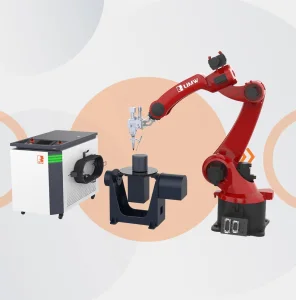
Static laser operations are increasingly giving way to dynamic multi-axis configurations. Integrating fiber laser resonators with articulated robotic arms enables complex spatial weld trajectories. This is vital in aerospace component manufacturing and structural automotive assemblies, where access to curved surfaces must be fast and highly repeatable.
Real-time quality validation is crucial in high-volume production. Incorporating coaxial or off-axial camera systems running machine-learning-based classification algorithms allows machines to automatically align marking orientations on organic shapes, verify alphanumeric readouts (OCR), and monitor molten pool dynamics in real-time during deep-penetration welding processes.
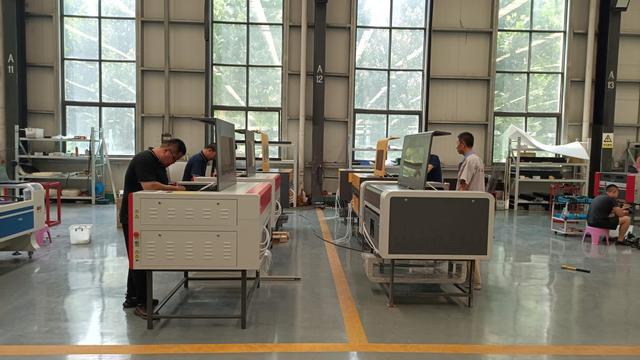
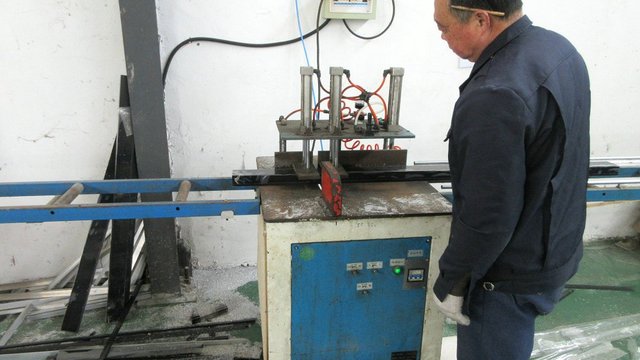
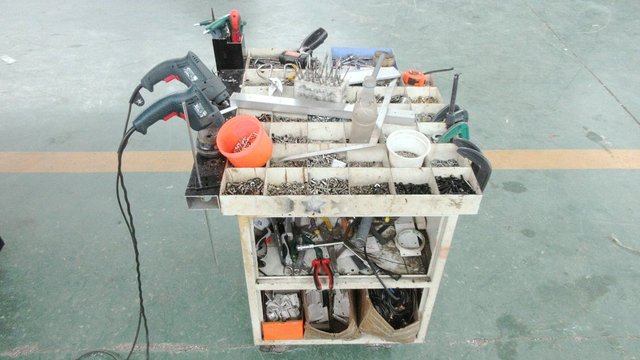
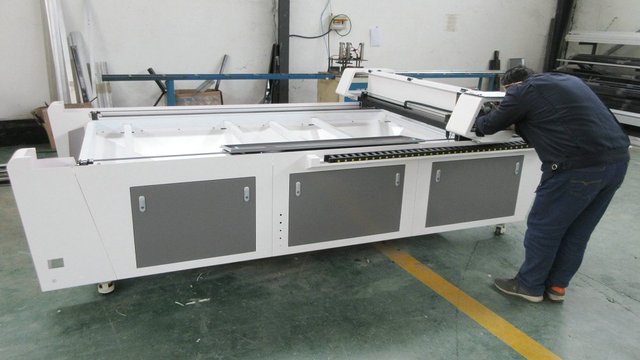
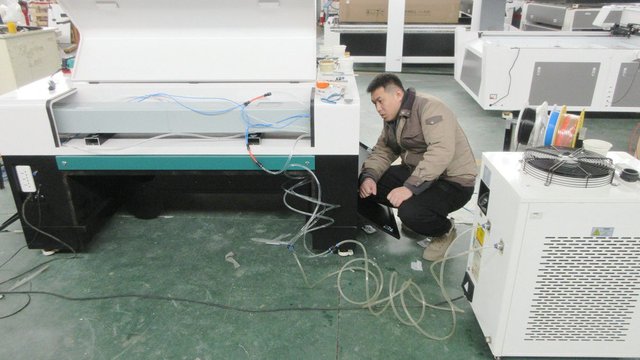
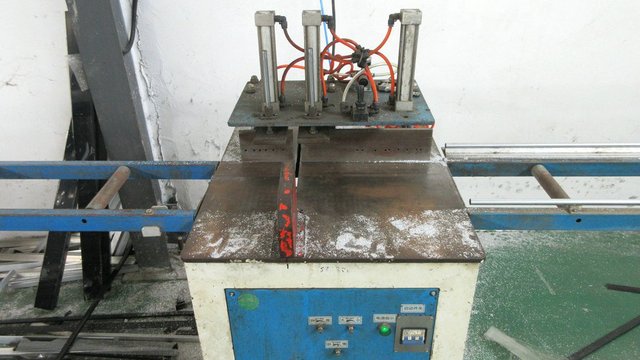
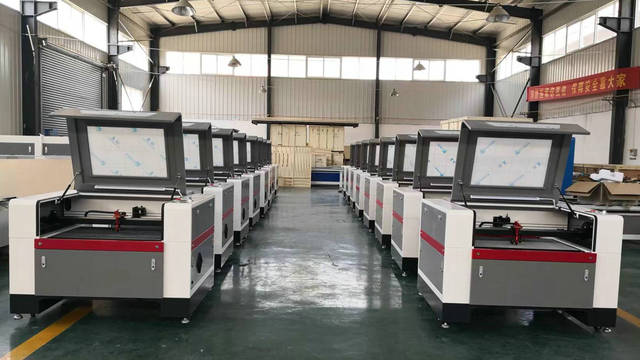
Real-world case studies demonstrating our engineering versatility across challenging environments.
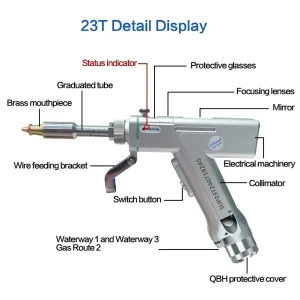
Heavy-duty mining machinery operates under severe vibration, dust load, and moisture cycles. Traditional welding techniques for complex pipeline structures often fail due to joint embrittlement. Through our Modular Handheld Fiber Laser Welding Systems, mining operators can achieve deep penetration joints with optimized shielding gas configurations directly in the field, ensuring localized repair work withstands high shear stress and mechanical load fatigue.
Medical guidelines mandate permanent traceability for surgical equipment. The marking must not introduce crevices or toxic residues that harbor pathogens. Using our MOPA Fiber Laser Marking Systems, we control the pulse duration to induce local oxidation (annealing) on materials such as Grade 316L Stainless Steel. This yields high-contrast, dark markings beneath the oxide layer without compromising the material's passive corrosion resistance.
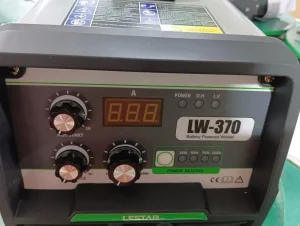
For infrastructure and outdoor installations, deploying high-power, multi-kilowatt welding stations is often impossible due to grid power limitations. STYRL designed a specialized 3700W Lithium Battery Powered Welder. Featuring integrated energy storage units, it allows technicians to perform premium-quality laser welding in field locations, matching the weld geometry and tensile strength of fixed factory equipment.
| Laser Source Type | Primary Wavelength | Typical Applications | Core Advantage | Heat-Affected Zone (HAZ) |
|---|---|---|---|---|
| Fiber Laser (CW) | 1064 nm | Deep welding, sheet metal cutting | High energy conversion, deep penetration | Moderate to High |
| Fiber Laser (MOPA) | 1064 nm (Adjustable pulse) | Color marking, black marking on anodized Al | Precise control over thermal inputs | Very Low |
| UV Solid-State Laser | 355 nm | Micro-electronics, polymer marking, SiC | Cold processing, zero thermo-deformation | Negligible |
| CO2 Gas Laser | 10.6 μm | Organic materials, wood, acrylic engraving | High absorption in non-metals | High |
A strategic blueprint outlining STYRL's ongoing and upcoming technical initiatives.
Integrating real-time vision algorithms into the laser processing path, eliminating the need for rigid fixtures, and achieving dynamic alignment accuracies down to ±10 μm on moving conveyor lines.
Implementing 450 nm wavelength industrial sources to drastically reduce energy reflectivity in pure copper and high-conductivity copper alloys, achieving spatter-free, clean joints for high-density power electronics.
Utilizing high-speed optical coherence tomography (OCT) coupled with edge-computed neural networks to dynamically modify spatial beam distribution on-the-fly, preventing micro-void formation during solidification.
Technical insights on laser processing, material selection, OEM/ODM protocols, and systems integration.
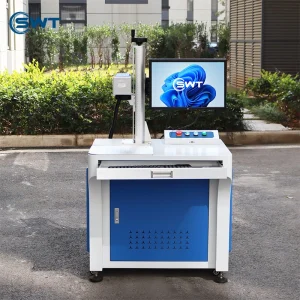
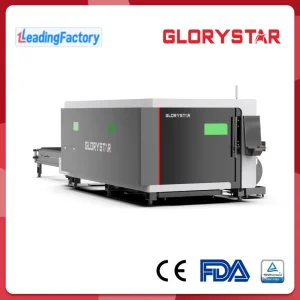
Engineered to optimize industrial operations, material feeding, and high-contrast marking.
 STYRL Laser