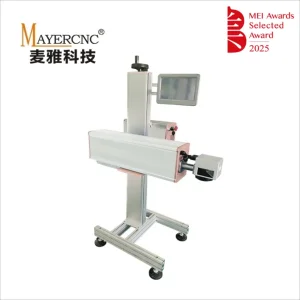
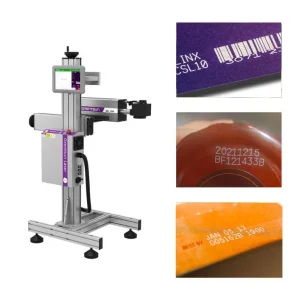
Explore our premier collection of high-performance laser marking, engraving, and welding equipment engineered for extreme reliability across global industrial sectors.
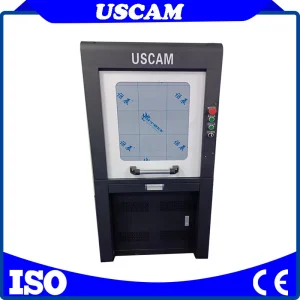
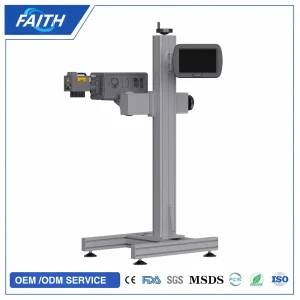
In modern industrial manufacturing, traceability and precision are no longer optional. They are mandatory compliance and operational imperatives. Micro laser etching technology stands at the intersection of high-speed automation and molecular-level accuracy. Utilizing advanced laser mediums, including fiber, ultraviolet (UV), and carbon dioxide (CO₂), micro-etching processes vaporize or chemically alter surface layers of materials to create highly durable, micro-scale marks, patterns, and identifiers.
Globally, the market for micro laser etching technologies is experiencing unprecedented growth. This demand is primarily propelled by strict regulatory guidelines like the European Union's MDR (Medical Device Regulation) and the United States' FDA UDI (Unique Device Identification) directives. Manufacturers worldwide require permanent, clean, non-degrading identifiers that survive intensive chemical sterilization, extreme mechanical friction, and long-term degradation.
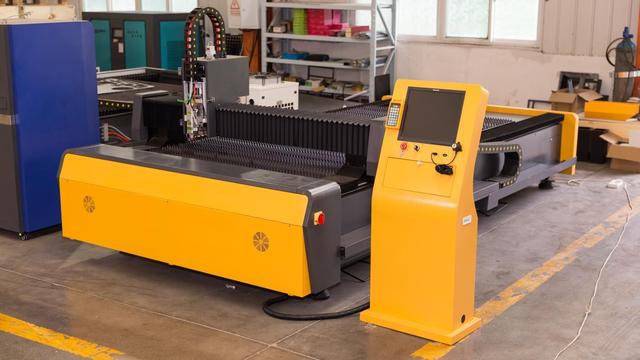
Direct part marking (DPM) on biocompatible implantable devices, surgical tools, and pharmaceutical packaging. The marking must not introduce thermal toxicity or structural micro-cracks that could harbor microbial pathogens.
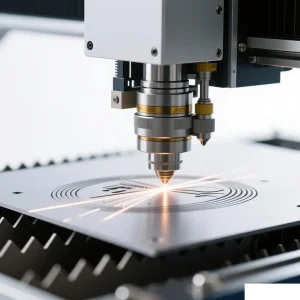
Marking complex PCBs, structural aluminum castings, copper busbars, and power modules. High-speed 3D Galvo laser systems provide fast cycle times matching automated manufacturing speeds.
Ensures that critical, high-stress parts are marked without inducing stress concentrations or structural micro-fractures, while retaining legibility in extreme heat and altitude variations.
How our integrated factory ecosystem in Ningbo, China translates into performance, cost efficiency, and speed-to-market for global procurement departments.
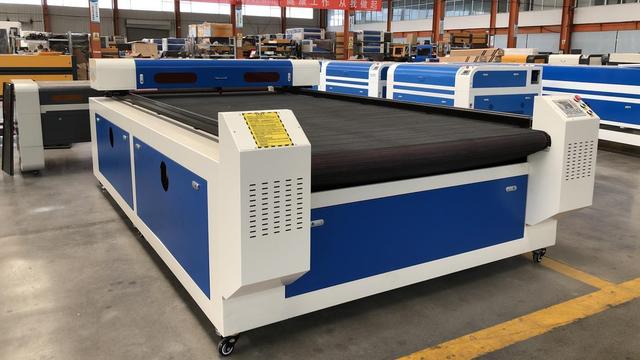
Established in 2014 in Ningbo, a world-class manufacturing hub, Ningbo STYRL Laser Co., Ltd. has grown from a specialized laser equipment integration workshop into a major exporter of fiber, UV, and CO₂ systems. The engineering core of our efficiency lies in the localization of key raw components and our collaborative relationships with top-tier optical manufacturers (such as Coherent USA and Davi RF Tube China).
Ningbo's comprehensive maritime infrastructure allows for rapid custom steel fabrication, precise CNC milling, and high-efficiency assembly operations. By conducting optical design, cabinet fabrication, control software integration, and final performance verification entirely in-house, we eliminate intermediate supply margins. This results in standard and custom laser configurations delivered at a fraction of the cost of European or North American counterparts, without sacrificing structural stability or optical alignment accuracy.
Real-world operational challenges solved by our custom-engineered laser systems on the manufacturing floor.
Problem: Non-contact high-speed coding on thin-walled PET and PVC plastic bottles. Inkjet marks smear easily under condensation and raise environmental disposal concerns.
Solution: Implementation of our CO₂ Laser Marking Equipment using Davi RF tubes. This delivers ultra-clean, thermal-stress-free micro-engravings at line speeds exceeding 800 bottles per minute, completely eliminating consumable expenses.
Problem: Marking micro-scale batch codes and UDI Datamatrix grids on surgical grade stainless steel and medical-grade polymers without altering chemical corrosion resistance.
Solution: Utilization of our Ra Vertical Laser Engraving Machine. The ultra-short pulse length produces cold-ablation marking, preserving the chromium oxide passive layer of stainless steel to maintain complete corrosion resistance.
Problem: Welding and marking irregular, heavy sheet metal assemblies containing significant geometry variations and manual placement tolerances.
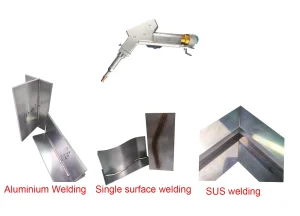
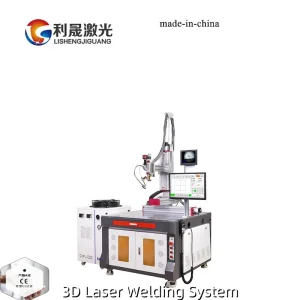
Solution: The integration of our 3D Remote-Laser Welding System. Features real-time height tracking and automatic Galvo focus adjustment to maintain consistent joint depth and weld strength on non-planar surfaces.
The micro laser processing sector is experiencing several technological shifts. Understanding these trends helps procurement managers specify systems that remain future-proof over multi-year cycles:
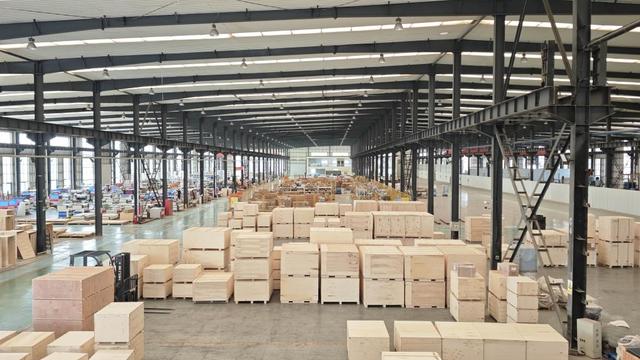
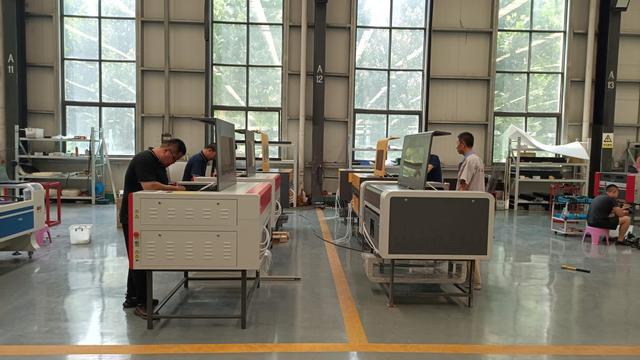
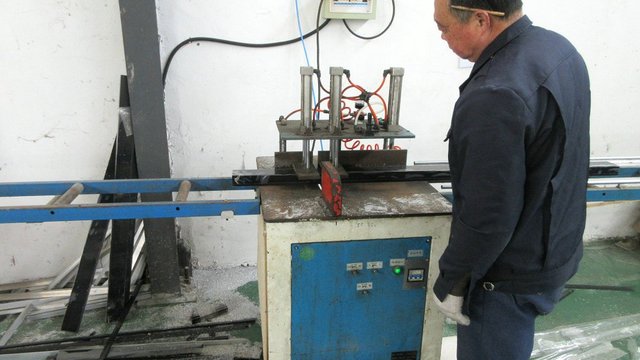
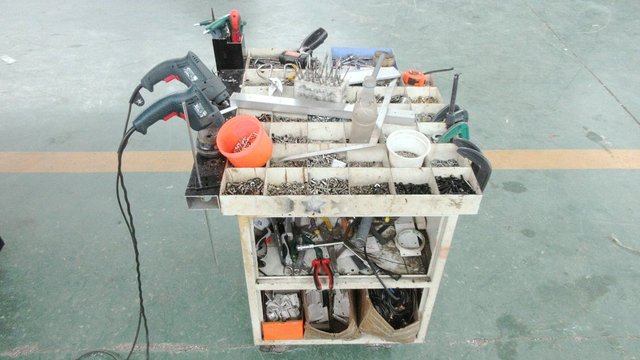
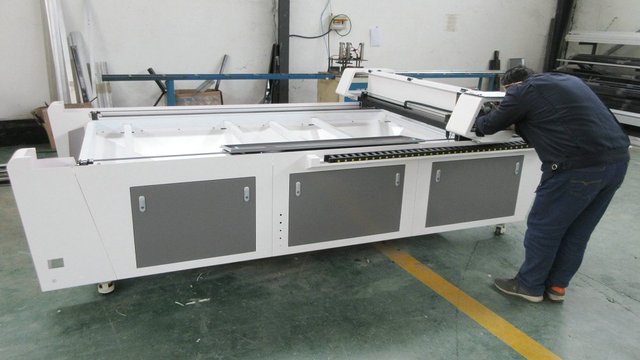
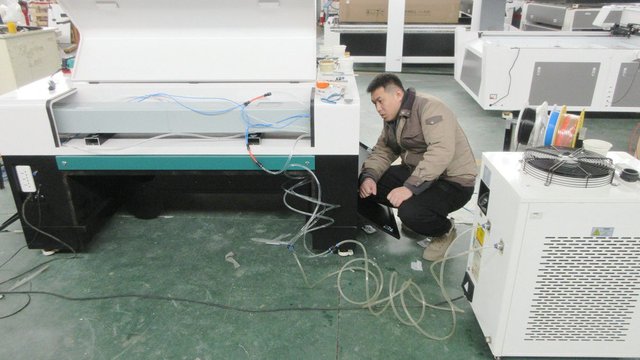
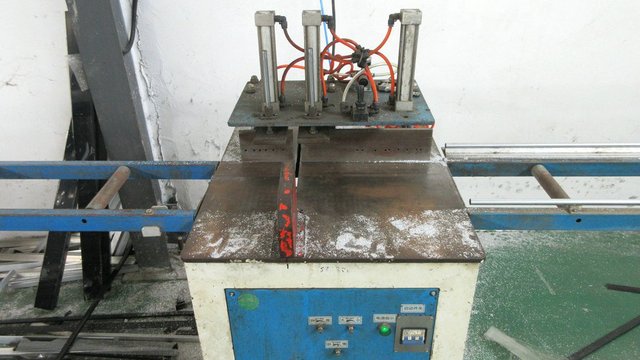
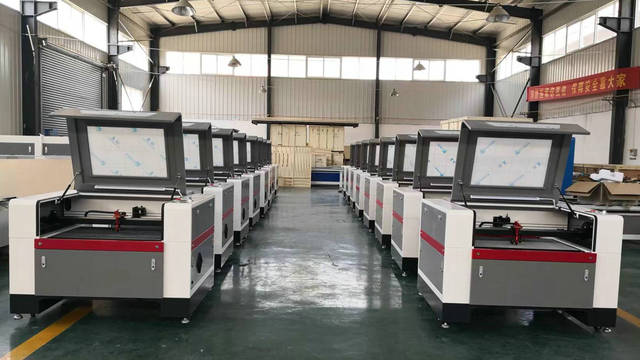
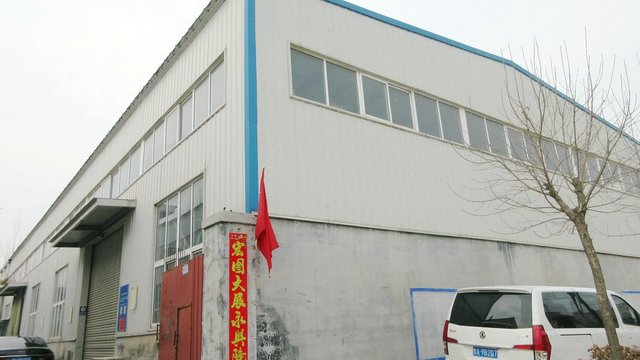
Inside Ningbo STYRL Laser Co., Ltd.: Modern production floors, optical testing laboratories, and precision metal fabrication divisions.
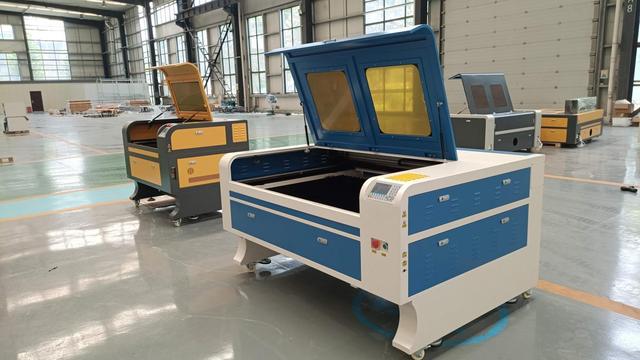
A comprehensive checklist for procurement officers to verify laser quality and supplier reliability before completing international orders.
Verify that your supplier holds CE, FDA accession numbers (for medical imports to the US), and complies with ISO 9001 quality management guidelines. Ensure laser source serial numbers are verifiable.
High-speed automation lines require systems that support direct serial communication, TCP/IP commands, and have functional SDKs for integration with existing MES and ERP networks.
Ensure the laser system maintains a low beam quality factor (typically M² < 1.3 for fiber lasers). This indicates a highly focused spot size, minimizing thermal energy dispersion and preserving the substrate.
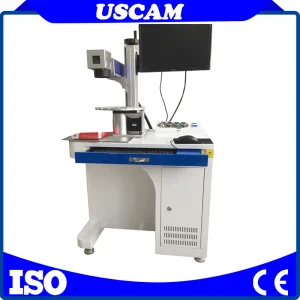
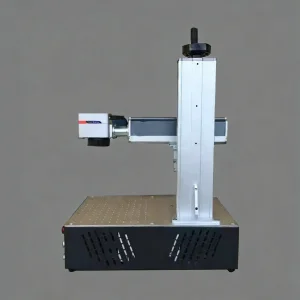
Review our comprehensive line of heavy-duty, high-performance laser integration products built for global distribution.
 STYRL Laser