High-precision systems optimized for the Hanseatic engineering standards.
Hamburg, the Hanseatic jewel of Northern Germany, is not just a gateway to the world via its massive port; it is a burgeoning powerhouse for Industrie 4.0. As a leading Robot Integrated Laser Welding Cells Manufacturer, we recognize the city's unique industrial DNA. From the massive assembly lines of Airbus in Finkenwerder to the precision automotive engineering surrounding the Mercedes-Benz plant, Hamburg demands technological excellence that combines speed with surgical precision.
The local industrial landscape is currently undergoing a massive shift towards "Smart Factories." Traditional welding methods are being replaced by automated, robot-integrated laser systems to meet the rising costs of energy and labor while ensuring the "Made in Germany" quality standard. Our role as a factory supplier involves providing the infrastructure that allows Hamburg-based firms to scale their production of aerospace components, maritime hardware, and electric vehicle (EV) batteries.
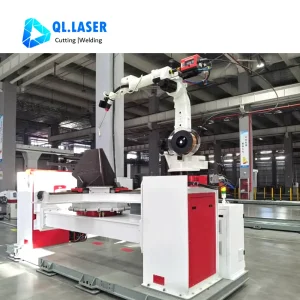
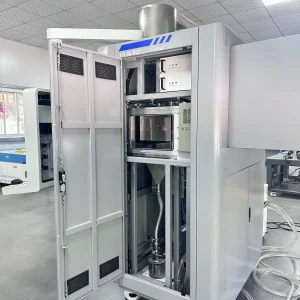
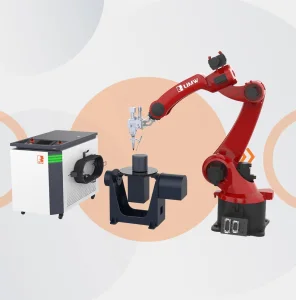
Automated welding solutions for high-durability ship components and port logistics equipment.
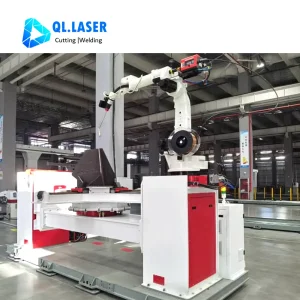
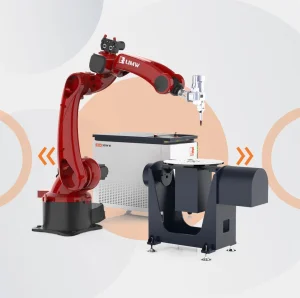
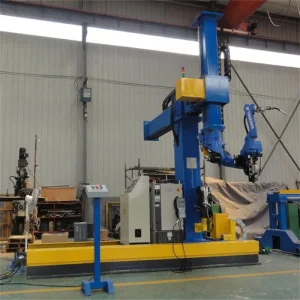
Laser welding cells designed for lightweight titanium and aluminum alloys used in Hamburg’s aviation hub.
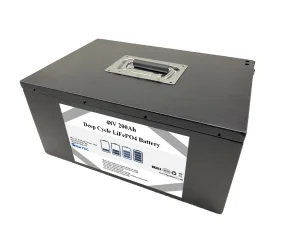
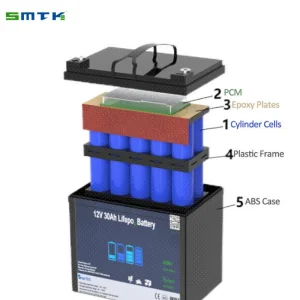
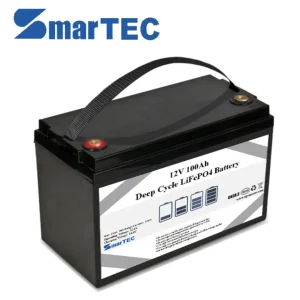
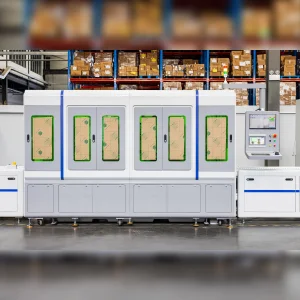
Battery pack assembly lines and precision welding for the next generation of German electric mobility.
With over 17 years of manufacturing experience, Ningbo STYRL Laser Co., Ltd. has established itself as a beacon of reliability in the laser processing industry. Our expansion into the Hamburg market is backed by rigorous R&D and a deep understanding of European safety standards (CE) and performance requirements. Expertise in robot integration isn't just about the hardware; it's about the software synergy—integrating 6-axis articulated arms with high-speed fiber lasers and 3D vision systems.
Our Robot Integrated Laser Welding Cells utilize IPG or Raycus Fiber Laser sources, ranging from 1kW to 6kW, capable of welding stainless steel, carbon steel, and specialized alloys with minimal heat-affected zones (HAZ). The integration of 3D Scanning technology allows the robot to adapt to workpiece deviations in real-time—a crucial feature for the complex geometries found in Hamburg's precision engineering sectors.
The transition toward Green Hydrogen and sustainable manufacturing is a major trend in Hamburg. Our laser welding cells are designed with energy efficiency at the forefront, utilizing high-efficiency fiber lasers that consume up to 70% less power than traditional CO2 lasers. Furthermore, the integration of Artificial Intelligence (AI) in our welding process library allows the system to "learn" optimal parameters for different materials, reducing waste and improving the reliability of the output.
Another rising trend is the use of Collaborative Robots (Cobots) for MIG and Laser welding. These systems allow human workers to operate alongside machines safely, which is particularly beneficial for Hamburg’s medium-sized enterprises (SMEs) that require flexible production runs rather than high-volume mass production.
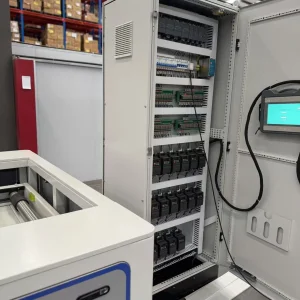
Precision-engineered systems for the modern factory floor.
Why are Robot Integrated Laser Welding Cells becoming the standard in Hamburg's factories? The answer lies in the fusion of fiber laser technology and cinematic robotics. Traditional Arc welding, while reliable, introduces significant heat into the material, leading to warping—a nightmare for aerospace components produced near the Elbe river. Laser welding, however, uses a concentrated light source to create a deep, narrow weld with minimal thermal distortion.
Our manufacturing plant leverages the latest in Fiber Laser oscillation. When integrated with a 6-axis robot, the beam can follow complex 3D paths that would be impossible for a human welder. In the context of Hamburg's maritime industry, this means welding corrosion-resistant aluminum panels for high-speed ferries or research vessels with absolute consistency. Every weld is logged by the system, providing a digital twin of the production process—essential for ISO certification and safety audits in the German industrial sector.
Furthermore, the Welding Process Library (as seen in our featured products) allows engineers in Hamburg to switch between different materials—such as switching from welding a stainless steel bracket to a lithium-ion battery casing—simply by selecting a pre-configured profile. This flexibility is what defines the modern Hamburg manufacturer: the ability to be agile in a fast-changing global market.
Regarding Battery Assembly, Hamburg's push for "Green Logistics" in the port means thousands of AGVs (Automated Guided Vehicles) need high-capacity LiFePO4 battery packs. Our integrated laser welding cells are specifically optimized for "tab-to-busbar" welding, which requires extreme precision to avoid damaging the sensitive lithium cells. By using our 12ppm high-speed machines, local Hamburg factories can achieve throughput rates that were previously only possible in massive overseas gigafactories.
Reliability is the cornerstone of our brand. We don't just sell a machine; we provide a localized automation solution. Our partnership with German component suppliers for sensors and safety light curtains ensures that our cells are 100% compliant with local labor laws and workplace safety regulations. Whether you are a small startup in the Hamburg-Harburg tech hub or a global leader in the Billbrook industrial zone, our robot integrated laser welding cells provide the expertise and professional edge needed to stay competitive.
 STYRL Laser