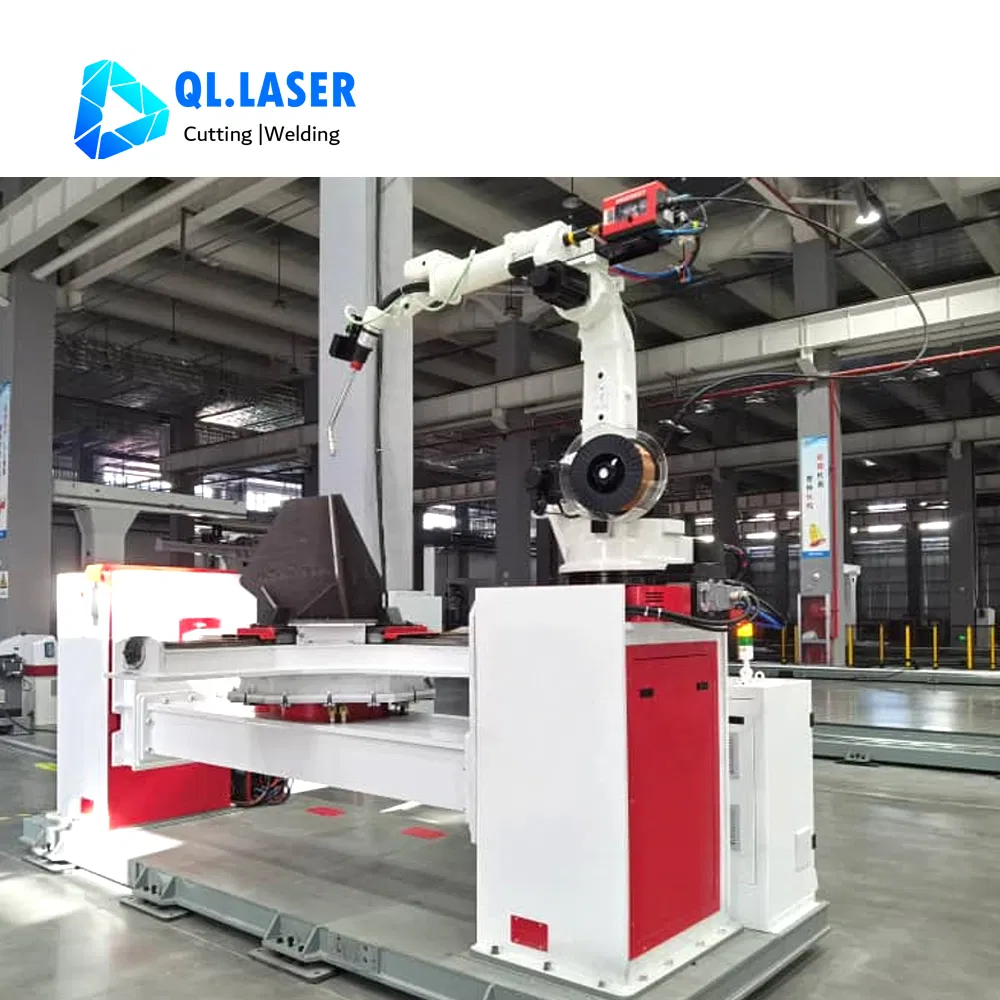
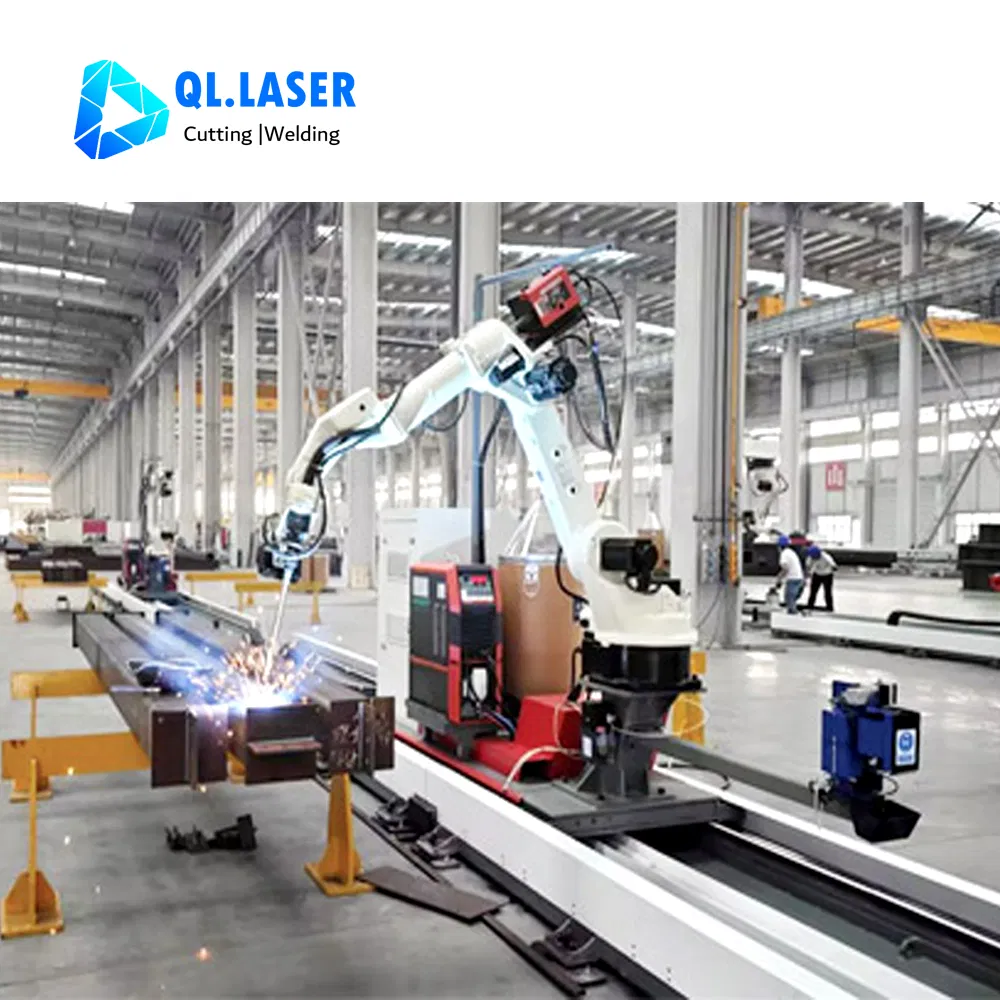
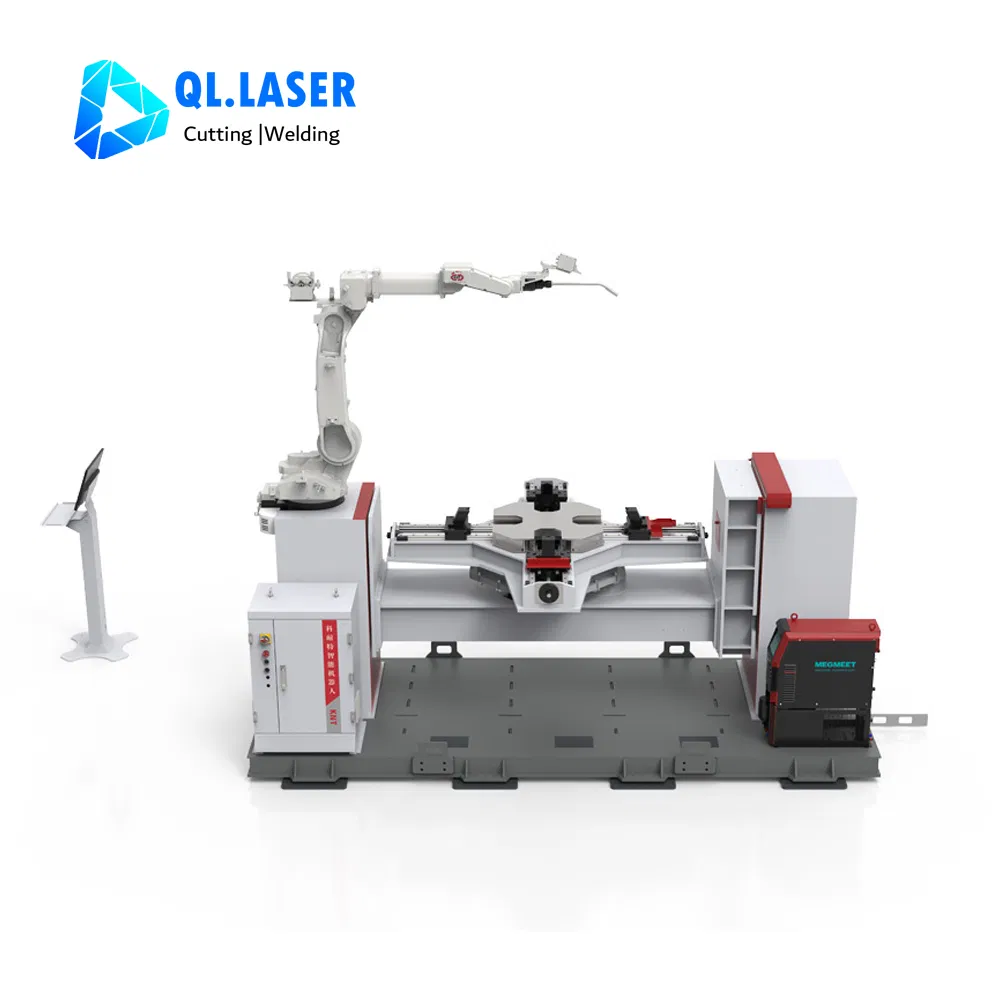
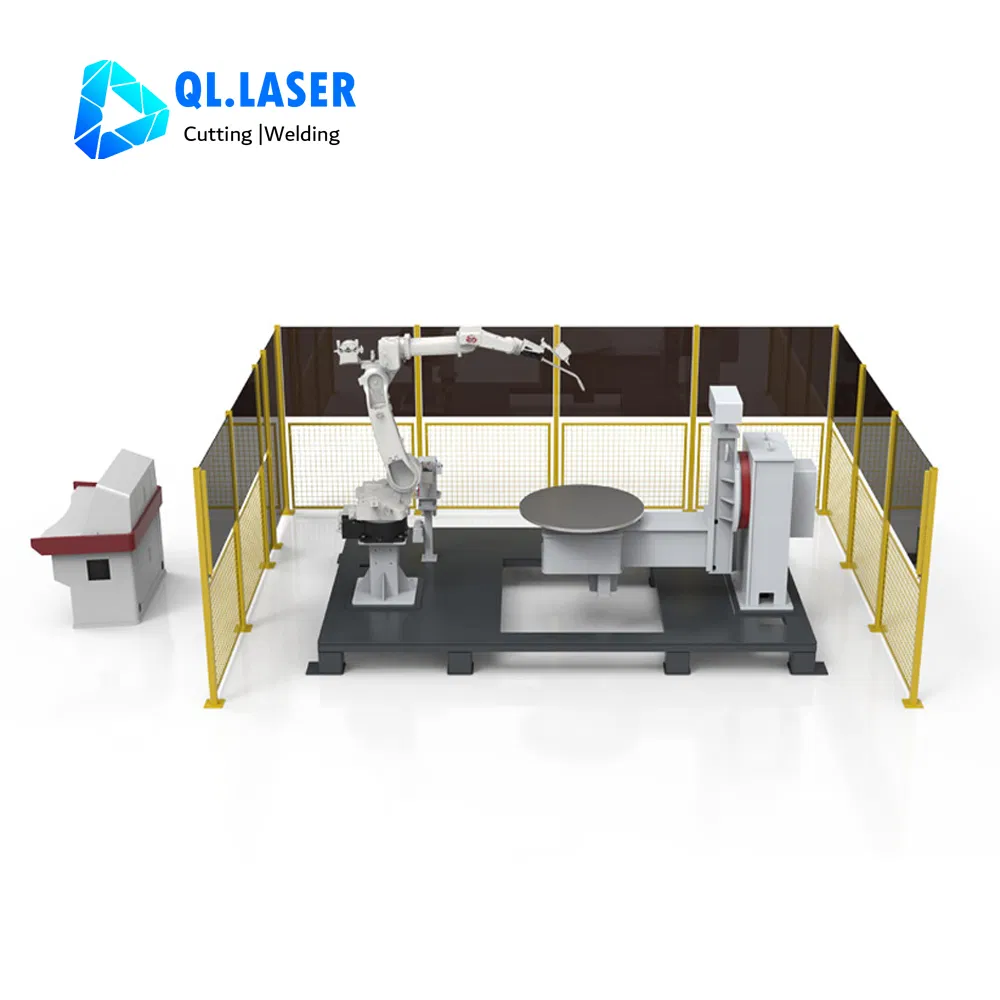
New Technology Industrial Robotic Welding Cells with Welding Process Library

Still deciding? Get samples of $ !
Order Sample

Product Description

i

Basic Information

Model NO.:BW
Control Mode:Continuous Path Control
Drive Mode:Electric
Type:Arc Welding Robot
Welding Speed:0.5 m/min
Name:Robotic Welding
Welding Machine:Aotai or Megmeet
Welding Gun:Trm
Controller:Bochu Fsweld
Software:Cypweld
Robot System:Knt
Welding Method:Mag
Advantage:No Teaching and Programming
Drawing:Import 3D Drawings Directly
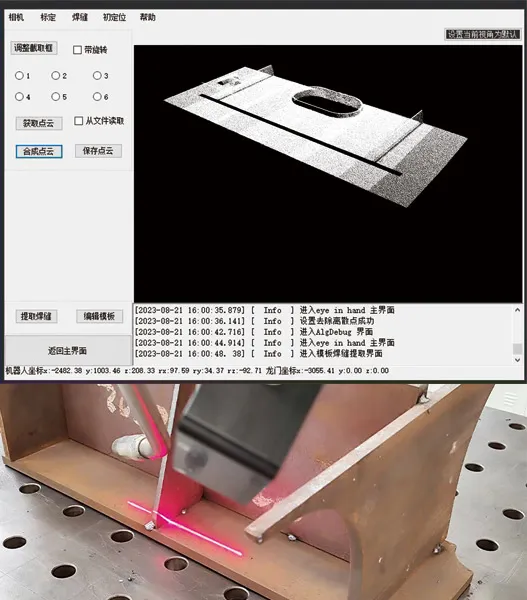
Weld Seam:Automatically Identify Weld Seams
Visual System:Laser Suture Finder Bcw600p
Origin:China
Production Capacity:100 per Month

Product Description

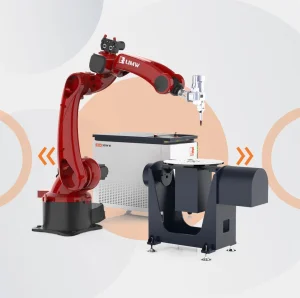
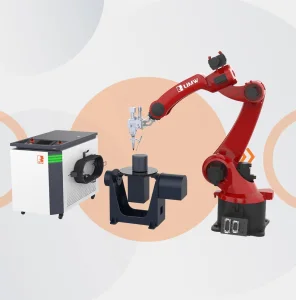
New Technology Industrial Robotic Welding Cells with Welding Process Library

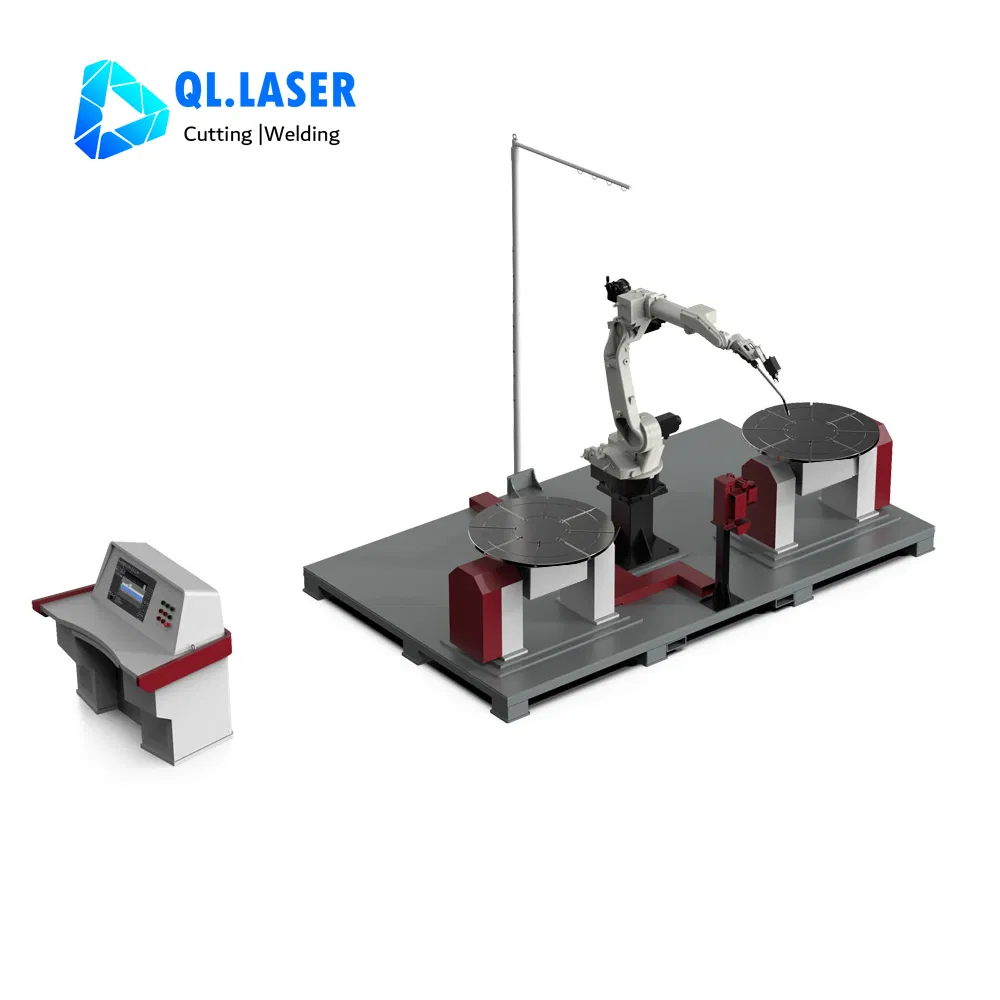
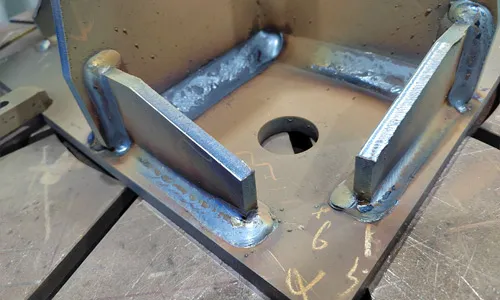
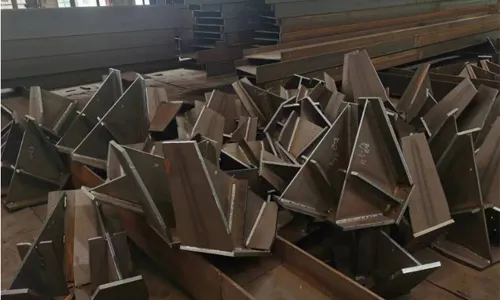
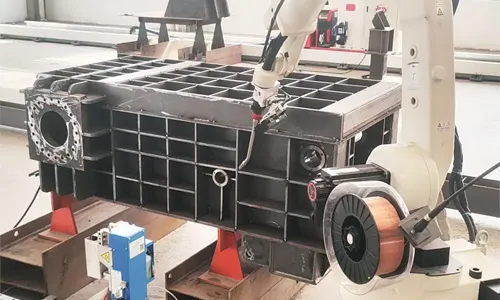
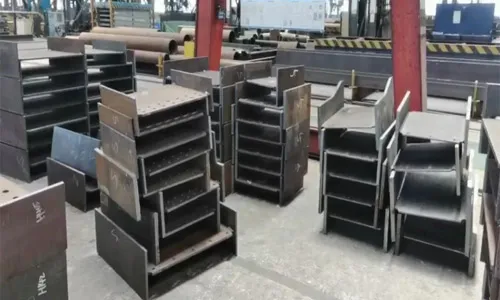
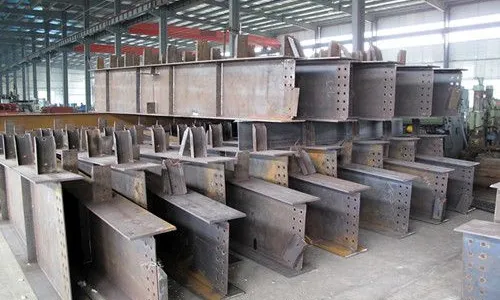
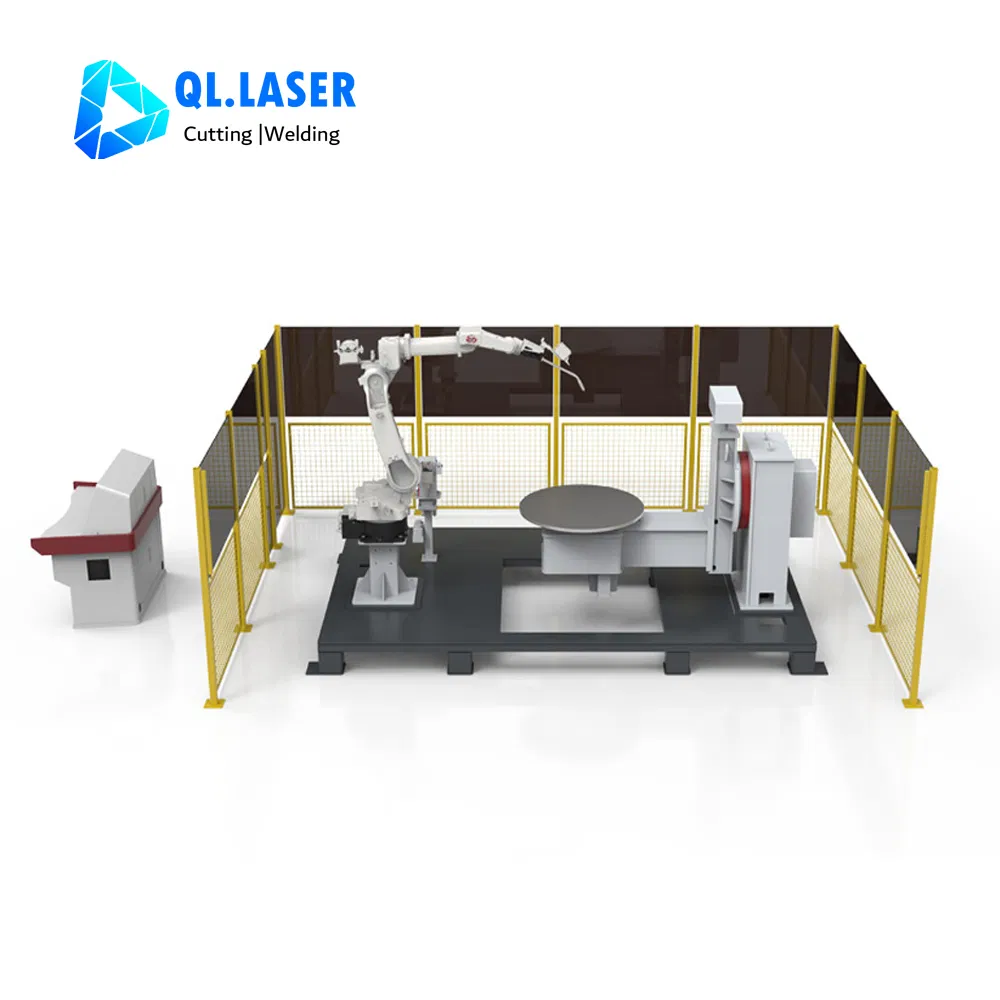
1. Suitable for various small components, such as cow legs, cross grid structures, purlin pallets, etc.

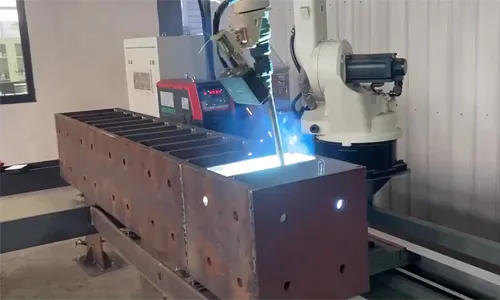
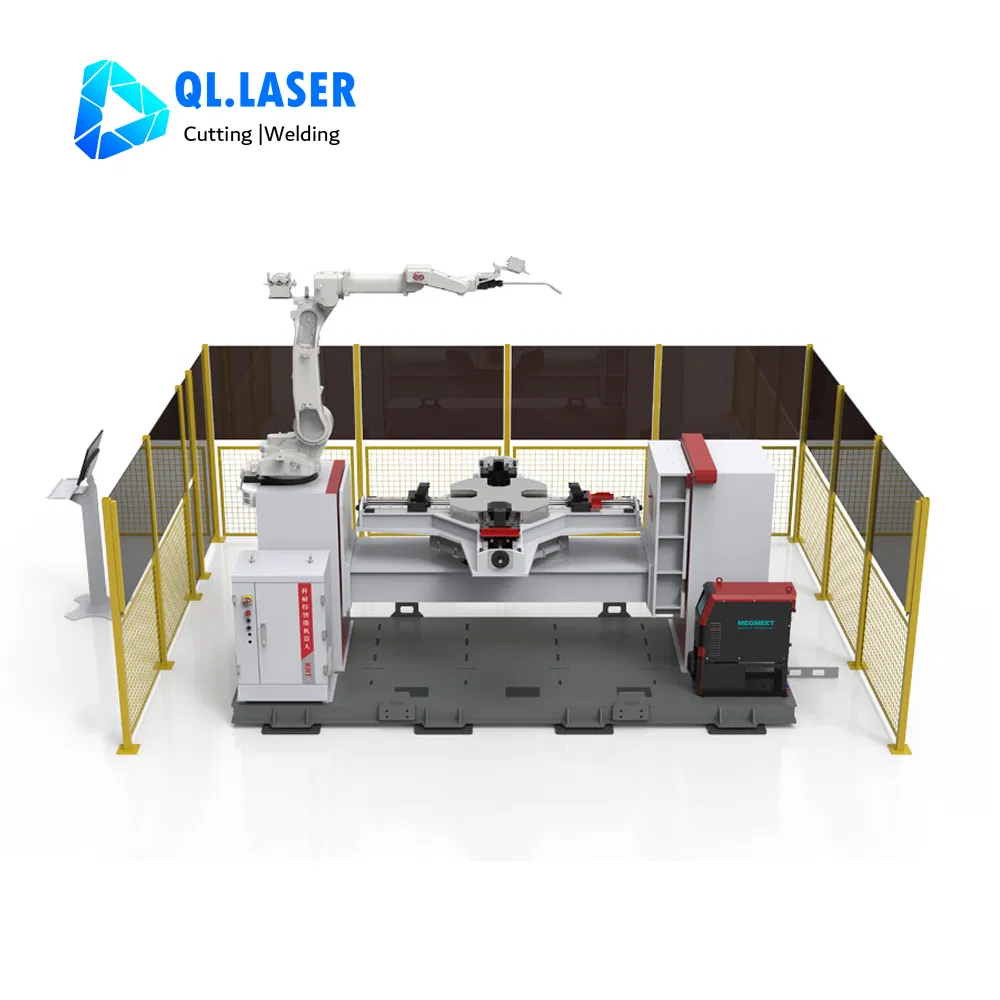
2. Customize workbenches or single/double axis positioners according to the type of workpiece and welding needs, flexibly meeting various welding scene requirements.

3. The software can be operated in a foolproof manner after 1-2 days of training, reducing skill requirements for operators.

Product Parameters

Content Parameter Range Unit Remarks
Degrees of Freedom (Axes)6+2//
Required Ambient Temperature-10~45ºC/
Maximum End Load6Kg/
Recommended Floor SpaceW1200*L1200*H600mm/
Peak Total Power40kW/
Rated Input Voltage/Frequency380+/-10%VThree-phase
Rated Input Frequency50Hz/
Floor Space2400*4000mm/

Our Advantages

Robot Drive System

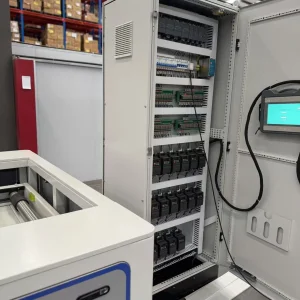
Robot Integrated Drive and Control System

  1. Built-in drive system, revolutionizing traditional teaching programming.
  2. Automatic motion trajectory planning and posture adjustment.
  3. Intelligent obstacle avoidance.
  4. Collision detection and monitoring.

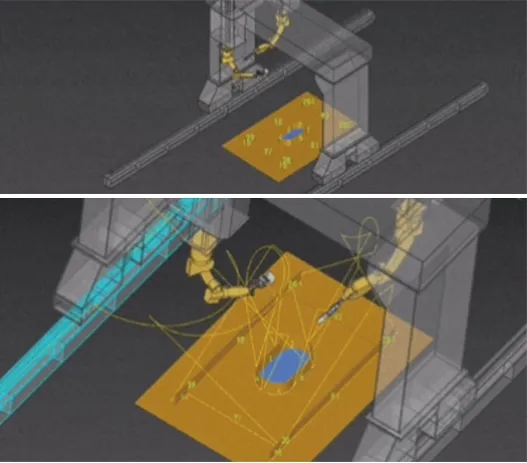
Digital Twin System

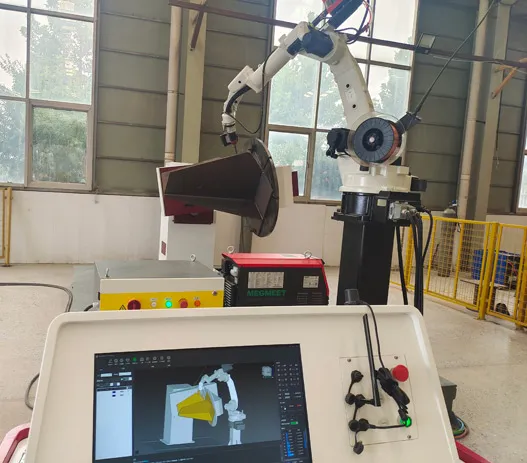
  1. 1:1 replication of physical objects - what you see is what you get.
  2. Physical objects follow movements via computer interface.
  3. Scene-generated trajectory with one-click command.
  4. Real-time communication and virtual-physical integration.
Digital Twin
No Teaching

No-Teaching, No-Programming

  • Automatic Programming: Import 3D models and extract seam information automatically.
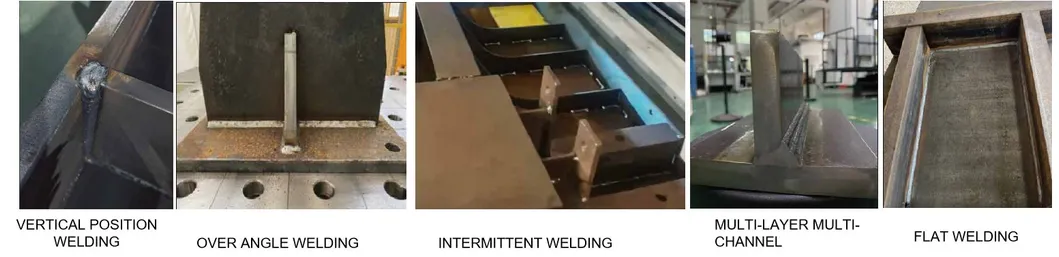
  • Rapid Deployment: One-click commands for corner, intermittent, and multi-layer welding.
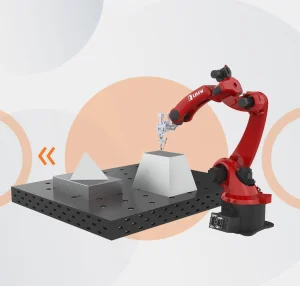
  • Vision Guidance: Line laser scanning for rapid positioning.

Visual Positioning and Tracking

  • 3D Camera: 2m x 2m capture area with ±0.5mm accuracy.
  • Line Laser Module: Real-time analysis for trajectory correction.
  • "Eye-in-Hand" System: Precise positioning to prevent collisions in complex conditions.
Visual Tracking
📷

Welding Samples

Sample 1 Sample 2 Sample 3
Sample 4 Sample 5 Sample 6

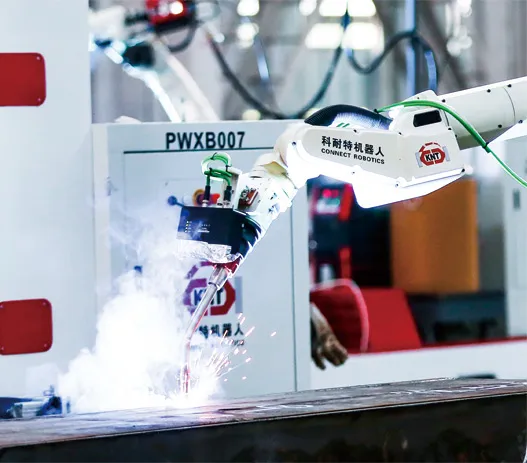
Welding Robot Type Display:
Welding Types
📁

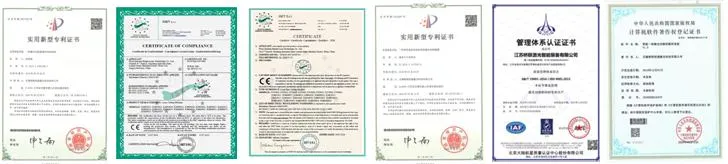
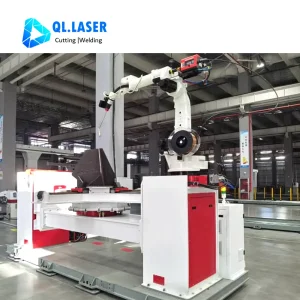
Production & Certifications

Production Scene Certificates
🔗

Related Product Series

L Positioner

BW series with L Positioner

H Positioner

BW series with H Positioner
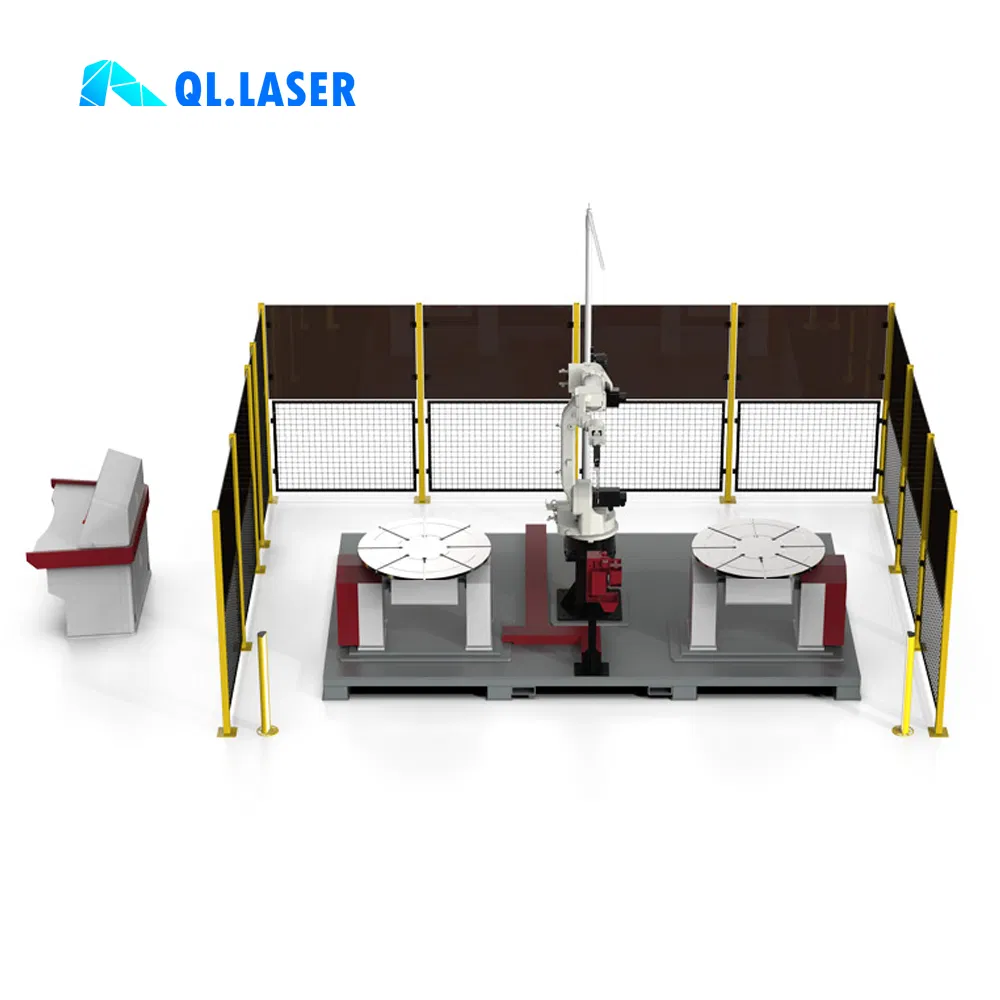
Dual Positioner

BW series with Dual Positioner
?

Frequently Asked Questions

Q1: What does "No-Teaching, No-Programming" mean for the operator? It means the system can automatically extract welding seam information from 3D models. Operators do not need to manually program the robot's path, significantly reducing the required skill level and training time.
Q2: Which components are best suited for this robotic welding cell? The system is ideal for small components such as cow legs, cross grid structures, purlin pallets, and other structural parts used in construction or manufacturing.
Q3: How accurate is the visual positioning system? The 3D camera and line laser guidance modules provide an accuracy error margin of ±0.5mm, which fully satisfies industrial precision requirements for welding.
Q4: Can the system handle larger workpieces? Yes. The 3D camera captures a 2m x 2m area, and multiple photos can be stitched together to generate point cloud data for larger workpieces.
Q5: What is the benefit of the Digital Twin System? The Digital Twin provides a 1:1 replication of the physical object in the software. This allows for simulation checks to verify trajectories and ensure there is no interference before the actual welding starts.
Q6: What power supply is required for the welding robot? The system requires a rated input voltage of 380V (+/-10%) at 50Hz, utilizing a three-phase power connection.

Related Products