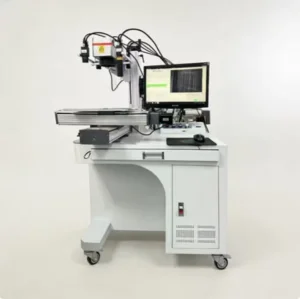
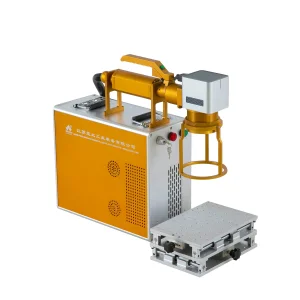
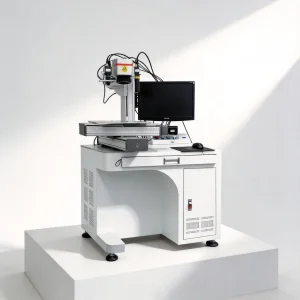
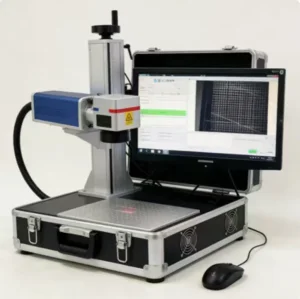
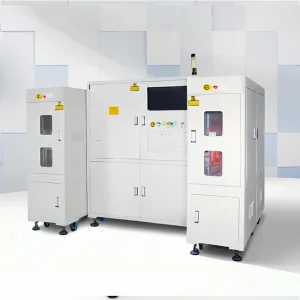
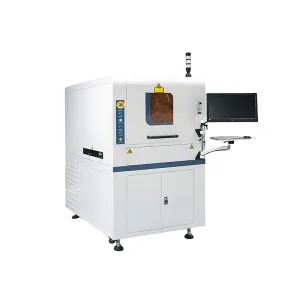
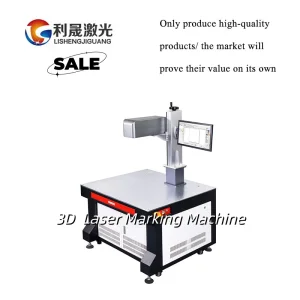
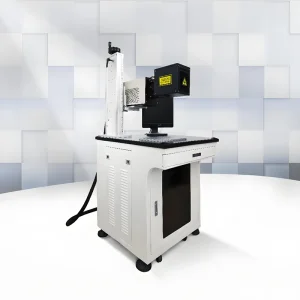
The Netherlands is a global hub for high-tech systems and materials (HTSM). From the semiconductor giants in Eindhoven’s Brainport to the aerospace clusters in Delft, the demand for precision metal laser marking is paramount. Our systems are engineered to meet the Dutch "High-Mix, Low-Volume" production philosophy, ensuring every metal part is traceable and perfectly etched.
In line with the Netherlands' "Smart Industry" national program, our laser marking machines integrate seamlessly with MES (Manufacturing Execution Systems). We provide real-time data feedback, automated focus adjustment, and AI-driven vision inspection specifically designed for Dutch automated production lines.
Sustainability is at the heart of Dutch business. Our fiber lasers offer 30% higher energy efficiency compared to traditional CO2 markers, requiring zero consumables. This aligns with the Netherlands' goal of achieving a circular economy by 2050, reducing industrial waste in marking and coding.
Ningbo STYRL Laser Co., Ltd. is a high-tech enterprise specializing in laser processing technology, positioned as a Laser Marking Machine Manufacturer | Fiber Laser Engraving & Industrial Coding Solutions provider. Founded in 2014, our journey has been defined by a relentless pursuit of optical excellence and industrial reliability.
As a key supplier to the Netherlands industrial sector, we understand the local requirements for CE compliance and rigorous safety standards (NEN-EN-ISO 11553-1). Whether you are marking surgical stainless steel for medical devices in Utrecht or coding heavy-duty logistics equipment in the Port of Rotterdam, our machines deliver sub-micron precision.
Our R&D team focuses on deep engraving, micro-marking on precious metals, and high-speed marking for electronic components. In the Netherlands, where quality is never compromised, STYRL Laser provides the stability required for 24/7 continuous operation.
Installations in EU
Marking Precision
Years Industry Experience
Technical Support
With companies like VDL Nedcar and the growing EV charging infrastructure in the Netherlands, we provide marking solutions for battery casings, chassis VIN numbers, and copper electrical connectors.
Supporting the Dutch silicon valley. Our UV lasers are used for ultra-fine marking on PCBs and silicon wafers, ensuring traceability without thermal damage to the circuits.
The Netherlands is home to major medical tech hubs. Our lasers create permanent, biocompatible marks on titanium implants and surgical tools, resistant to sterilization processes.
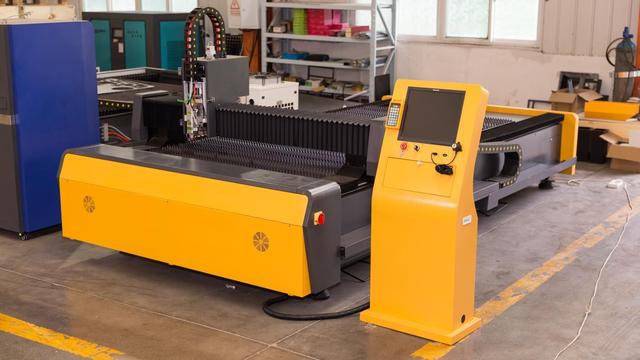
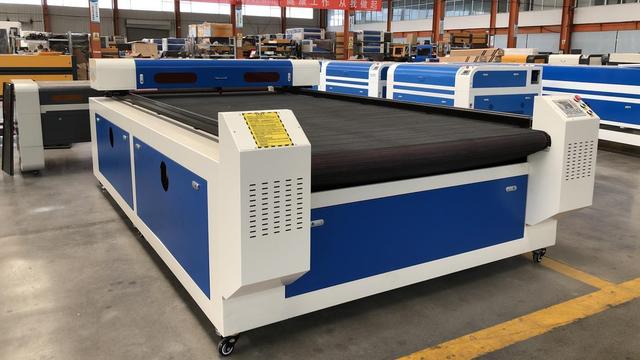
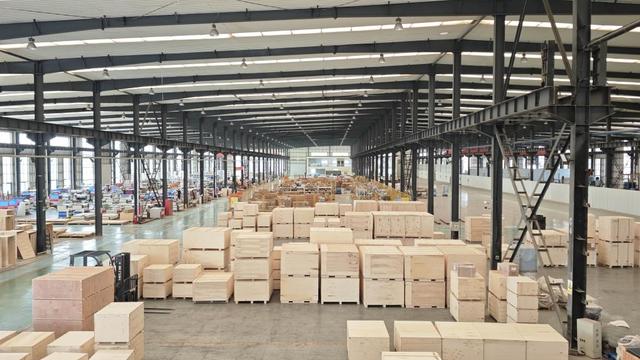
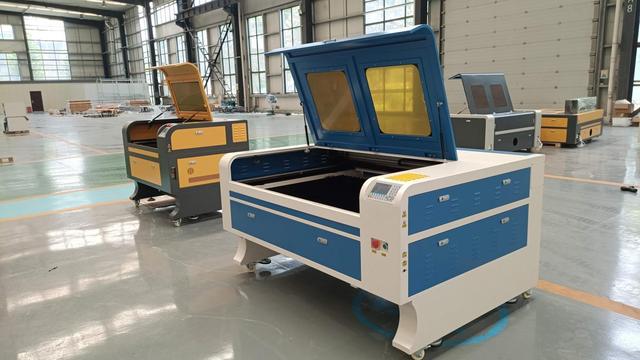
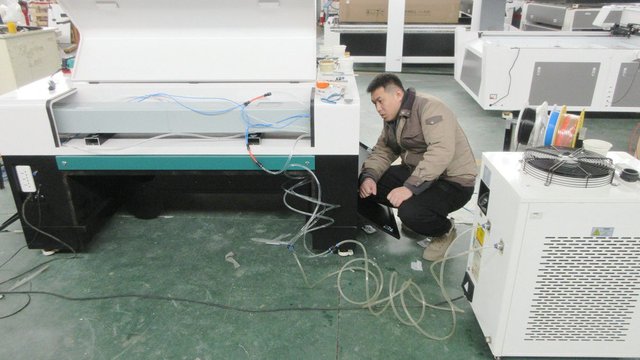
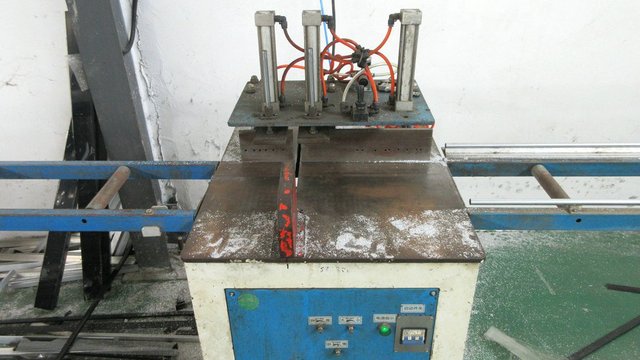
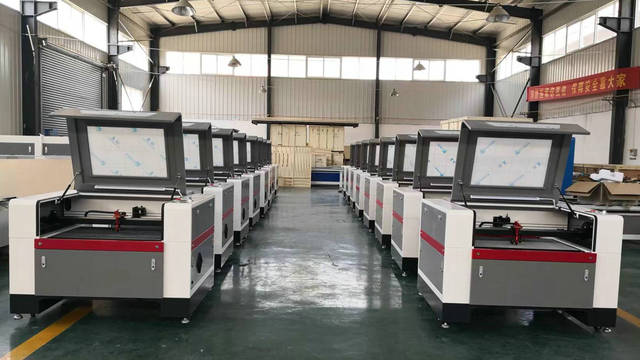
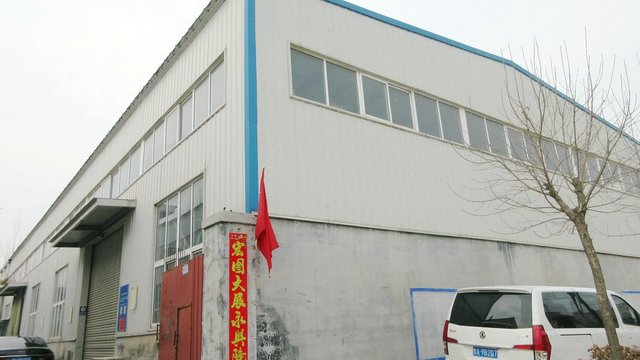
The Netherlands industrial landscape is shifting towards extreme precision and full automation. In this context, Precision Metal Laser Marking is no longer just a "coding" requirement; it is a critical component of the value chain. Here’s how our technology supports Dutch manufacturers:
Dutch aerospace engineering requires parts to be traceable for 30+ years. Our fiber laser systems create deep, corrosion-resistant marks on aerospace-grade aluminum and titanium. These marks withstand extreme temperatures and environmental stress, meeting the strict requirements of the European Union Aviation Safety Agency (EASA).
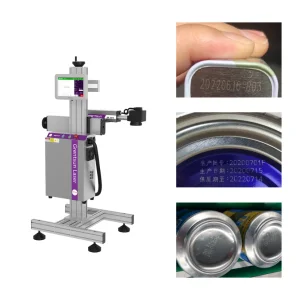
In the Dutch agro-food sector (the second largest in the world), speed is king. Our UV laser systems provide high-speed coding on metal lids and cans at speeds exceeding 100,000 units per hour, ensuring "Best Before" dates and QR codes are legible and tamper-proof.
With the implementation of the EU Medical Device Regulation (MDR), manufacturers in the Netherlands must provide a Unique Device Identification (UDI). Our laser marking systems provide "cold marking" that does not compromise the surface integrity of medical instruments, preventing bacterial growth and ensuring compliance with Dutch Health and Youth Care Inspectorate (IGJ) guidelines.
We are currently integrating AI-based defect detection into our marking software. This allows the system to recognize the orientation of the part automatically and adjust the marking angle without human intervention. For the highly automated factories in the Netherlands, this means a significant reduction in downtime and rejection rates.
 STYRL Laser