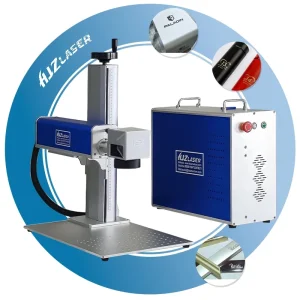
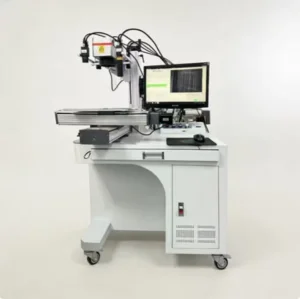
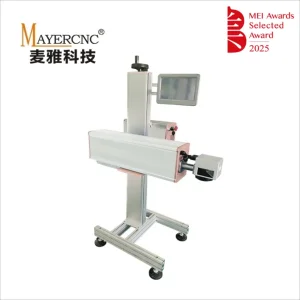
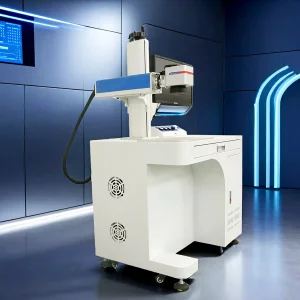
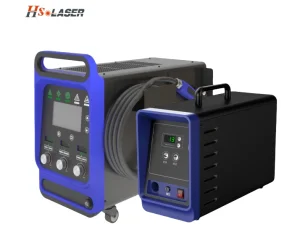
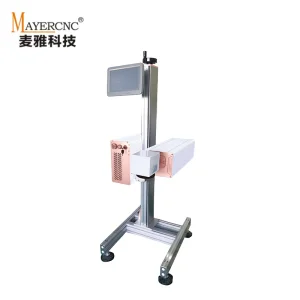
High-efficiency, micro-machining systems engineered for critical automotive, electronic, and industrial labeling configurations.
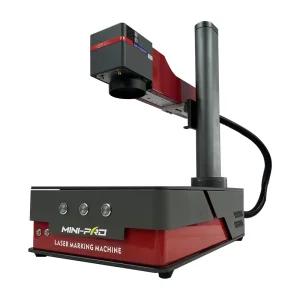
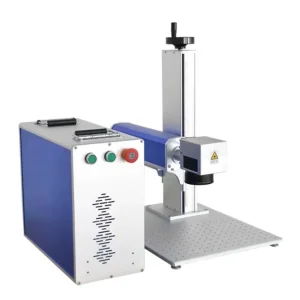
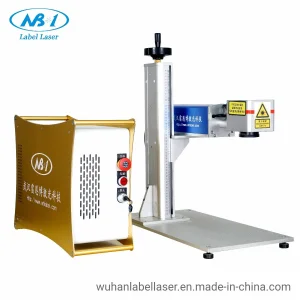
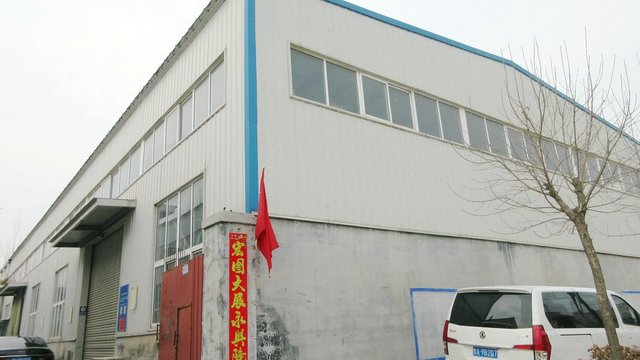
Ningbo STYRL Laser Co., Ltd. is a recognized high-tech enterprise specializing in the integration of industrial laser processing technology. Positioned globally as a premier Laser Marking Machine Manufacturer | Fiber Laser Engraving & Industrial Coding Solutions provider, the company has dedicated its operational research and development to delivering ultra-high precision, energy-efficient, and long-term stable laser architectures. Our machines are designed to meet the strict demands of electronics, automotive component manufacturing, metal fabrication, medical devices, and smart packaging lines.
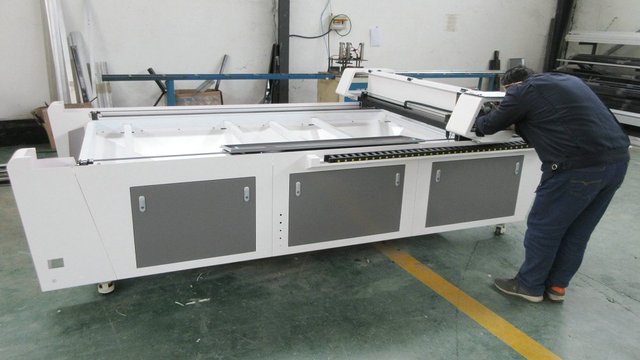
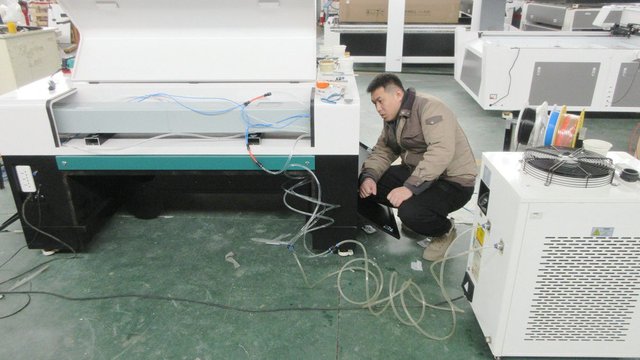
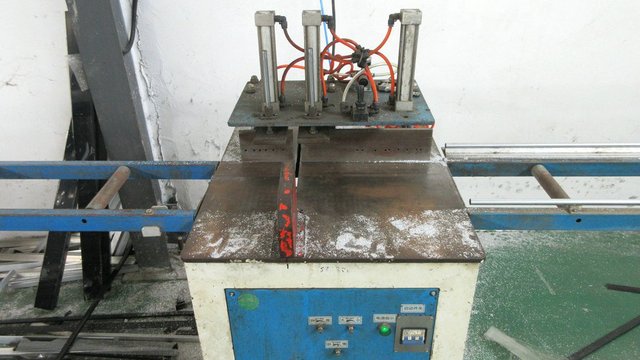
Founded in 2014 in the industrial port city of Ningbo, China, STYRL Laser initiated operations as a specialized integration workshop focusing primarily on basic commercial engraving applications. Driven by the rapid transformation of smart industrial automation and the strict traceability requirements of modern supply chains, the company expanded dynamically. By investing heavily in optical design engineering and control software development, STYRL built a robust portfolio including state-of-the-art fiber, CO₂ and UV laser systems, as well as complex multi-axis laser welding machinery. By 2018, the enterprise completed its vertical supply chain structure, housing its own optical calibration cleanrooms, structural CNC centers, and automated performance testing lines.
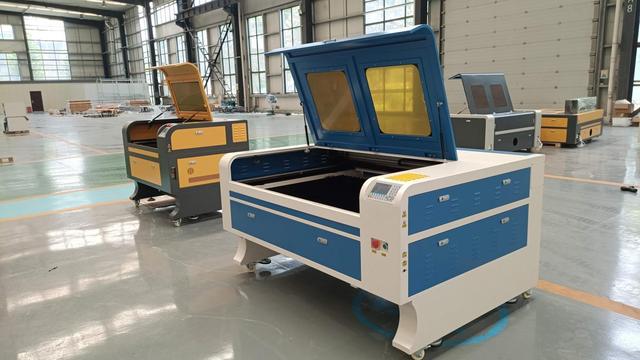
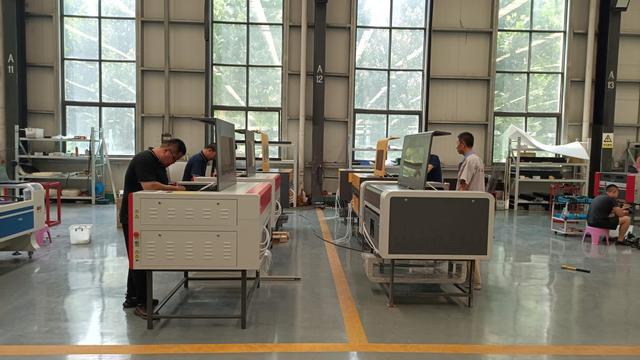
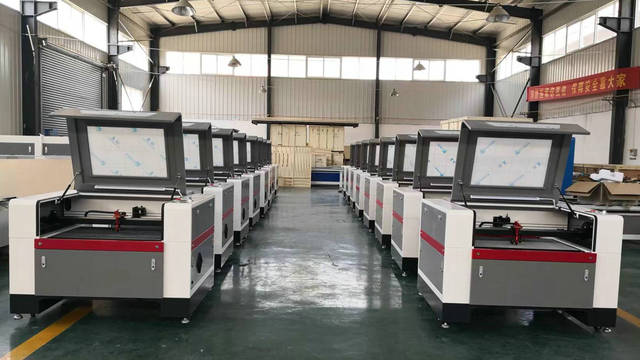
Today, Ningbo STYRL Laser Co., Ltd. operates top-tier manufacturing spaces utilizing specialized laser beam profiling, pulse analyzer equipment, and dust-controlled assembly lines. Our systems guarantee repeatable, high-speed, deep engraving tolerances that comply with strict global standardization guidelines, serving partners across Europe, North America, Southeast Asia, and South America.
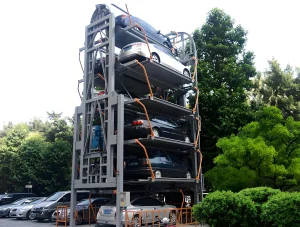
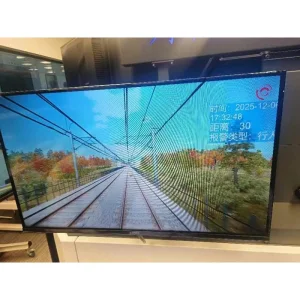
Whether configuring automated optical character recognition (OCR) systems or designing structural integrations like our intelligent space-saving mechanical frameworks, STYRL remains committed to technical innovation, reliability, and precision engineering.
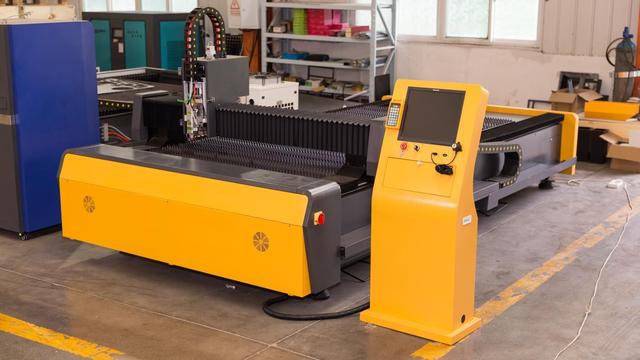
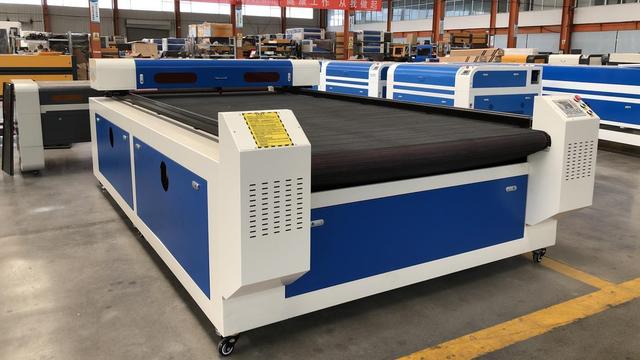
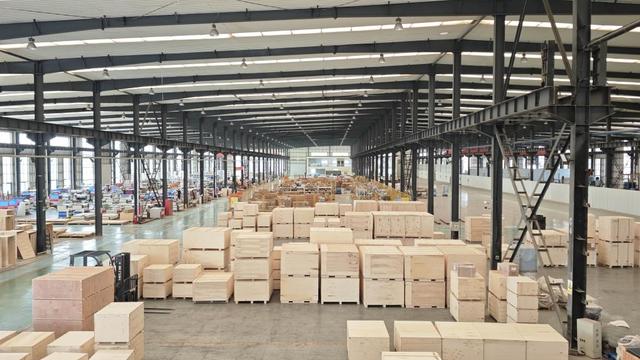
Years R&D Innovation
Countries Shipped To
Technical FAE Support
Compliant for Export
For procurement directors, sourcing laser marking and engraving systems requires a strict analysis of performance metrics. The criteria for high-duty cycle industrial manufacturing extend far beyond nominal purchase prices. The essential factors to consider are:
The Yangtze River Delta, especially the Ningbo industrial zone, represents one of the world's most concentrated optical and mechanical manufacturing hubs. This cluster offers significant supply chain advantages for international buyers:
Vertical Integration & Sourcing Speed: The proximity of components manufacturers—ranging from precision crystal optics and optical fiber couplers to custom structural sheet metal enclosures—shortens development cycles. What takes months to prototype in western countries is completed within days in Ningbo.
Economies of Scale: China’s robust industrial ecosystem optimizes material sourcing costs, enabling manufacturers like STYRL to install premium components, such as imported IPG or JPT laser sources, while maintaining highly competitive pricing.
Custom Engineering Capabilities: STYRL's in-house engineering team provides customized solutions for complex production requirements, offering tailor-made multi-axis mechanical attachments, automated rotary systems, and vision detection cameras.
Why leading global manufacturers trust Ningbo STYRL for critical production lines.
Our systems carry complete CE, FDA, and RoHS certifications. We collaborate with international Field Application Engineers (FAEs) to provide localized troubleshooting, spare parts sourcing, and installation guidance across major markets.
The industry is rapidly shifting toward shorter wavelengths (UV lasers), sub-nanosecond pulse width technology, and smart closed-loop vision alignment systems. These innovations ensure clean, thermal-stress-free markings on complex polymers.
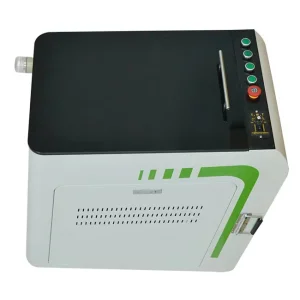
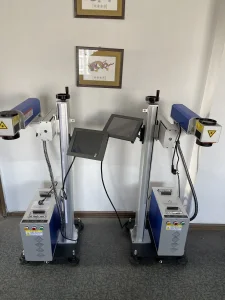
We supply specialized processing systems tailored to distinct workflows. From compact, portable fiber lasers to high-capacity mechanical arrays, our engineering team ensures seamless machinery compatibility.
The deployment of specialized laser beam solutions varies widely across different industries and localized production setups:
High-efficiency fiber lasers apply high-contrast, permanent 2D DataMatrix and VIN codes directly onto cast aluminum engine blocks, chassis components, and powertrain parts. These markings must withstand exposure to heat, chemicals, and mechanical wear over the vehicle's lifespan.
Using ultra-short pulse UV and fiber lasers, manufacturers mark medical-grade plastics, titanium bone screws, and stainless steel surgical instruments. This process creates high-contrast marks without altering the material's surface structure, preventing microbial growth and ensuring compliance with Unique Device Identification (UDI) regulations.
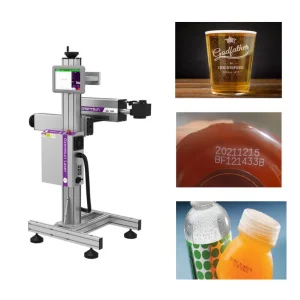
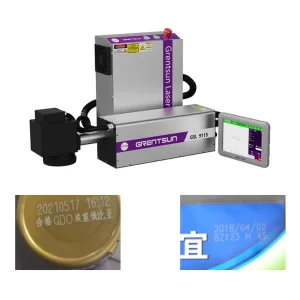
On high-speed bottling and food production lines, 30W CO₂ laser coding machines mark PET bottles, laminated cardboard, and glass containers. These systems apply batch numbers, manufacturing dates, and QR codes at speeds exceeding 120 cycles per minute, eliminating the need for expensive ink consumables.
Delicate silicon chips, PCBs, and fiberglass enclosures require marking without causing micro-cracking or thermal stress. Cold-processing UV laser systems write clean, sub-micron characters directly onto thin-film substrates and sensitive circuitry.
Technical clarifications to assist procurement managers in optimizing equipment selection.
Industrial laser welding, rotary marking, and automated systems designed for global manufacturers.
 STYRL Laser