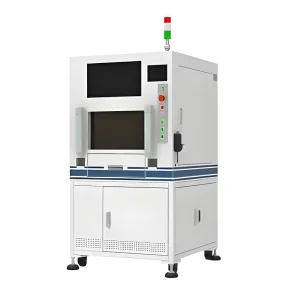
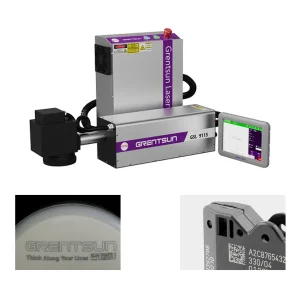
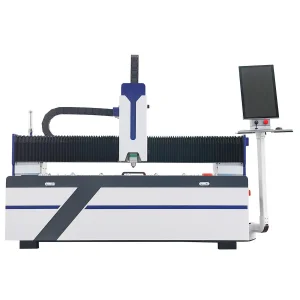
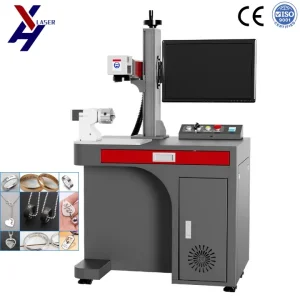
Explore our top-performing industrial marking, coding, and laser etching platforms configured for inline automation and high manufacturing throughput.
Elite Laser Marking Machine Manufacturer | Fiber Laser Engraving & Industrial Coding Solutions
Founded in 2014 in Ningbo, China, STYRL Laser started as an innovative research facility and small laser equipment integration workshop focusing on industrial marking applications. Over a decade of development alongside advanced intelligent manufacturing trends, the company expanded into fiber laser marking systems, CO₂ laser solutions, UV laser marking equipment, and robotic laser integration interfaces. By 2018, STYRL built a full-scale industrial infrastructure integrating advanced optics R&D, structural engineering, and manufacturing.
Today, STYRL operates advanced research labs and modern cleanrooms equipped with optical spectrum analyzers, high-speed galvanometer testing benches, and precise CNC machining stations. Our solutions target strict manufacturing guidelines, offering high speed, sub-micron repeatability, and minimal heat-affected zones (HAZ). This ensures durability, complete trace capability, and structural safety across the production lines of various global industrial environments.
"We integrate high-efficiency fiber and cold UV wavelengths to help industries implement error-free serialization, traceability systems, and modern smart factory workflows."
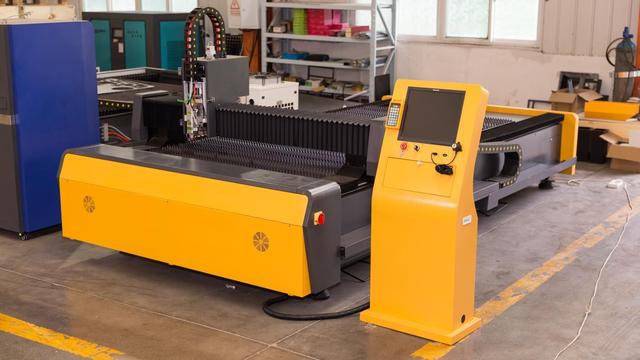
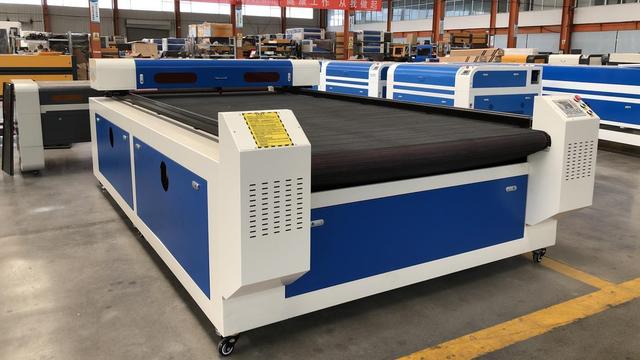
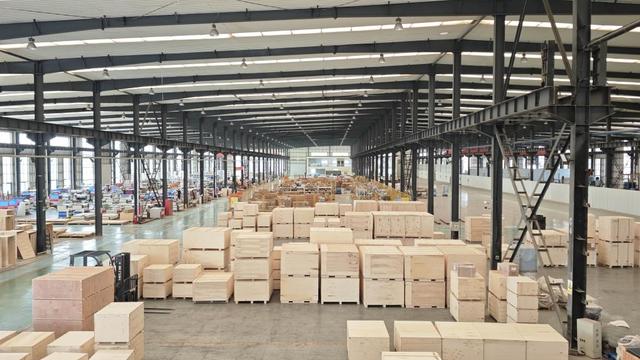
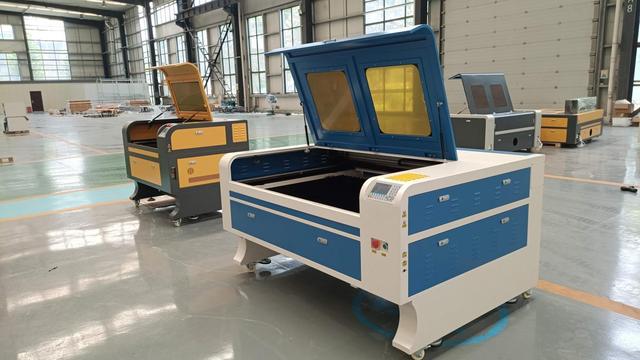
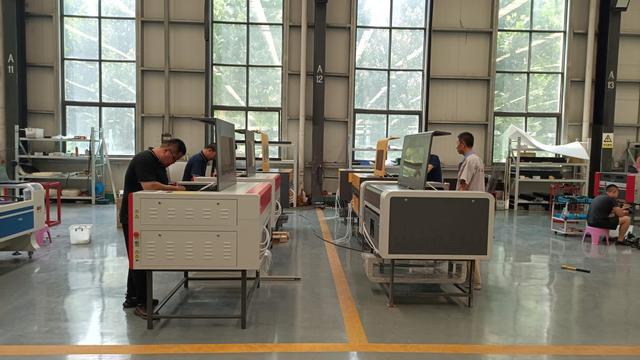
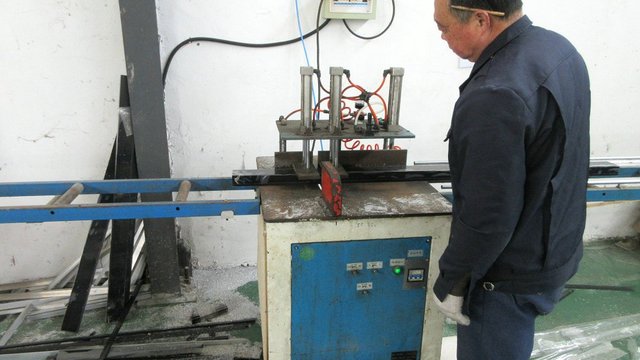
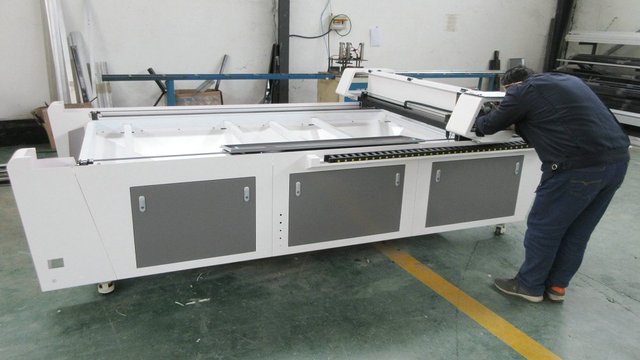
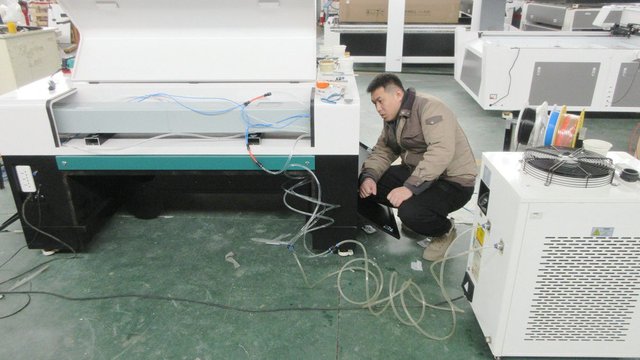
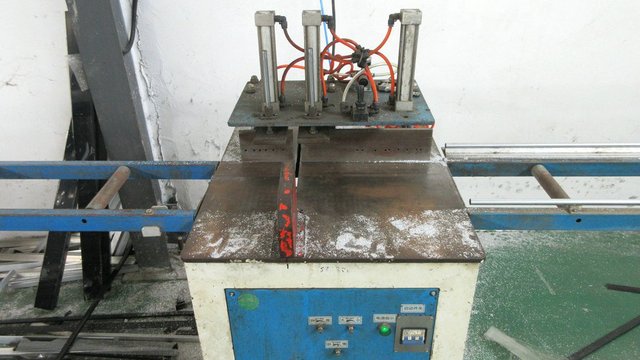
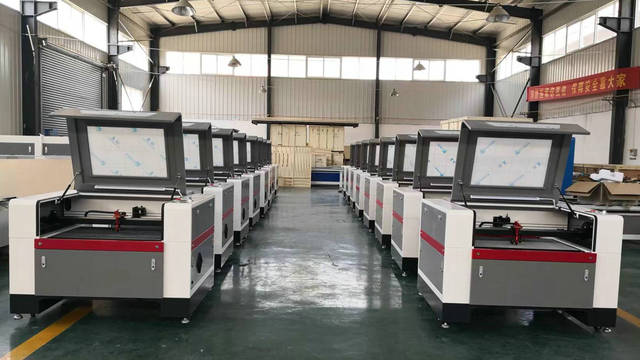
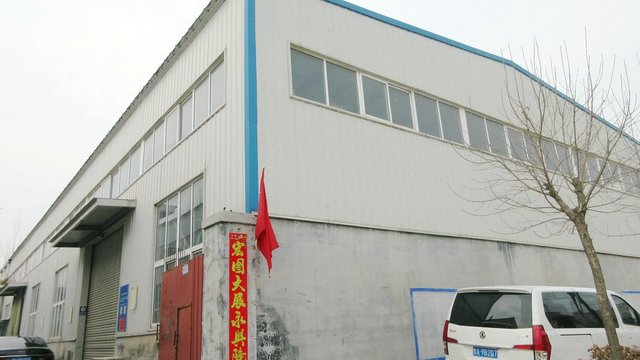
From micro-electronics tracking to heavy aerospace engineering, our systems fit directly into global industrial workflows.
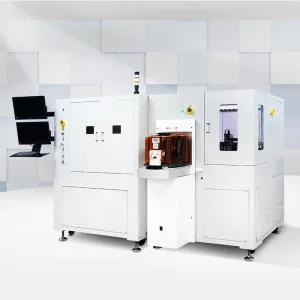
Highly precise laser marking systems for silicon wafers, lead frames, and PCB substrates. Utilizing 532nm Green and 355nm UV laser wavelengths to reduce heat-affected zones and protect sensitive electronic circuitry.
Traceability systems designed for the automotive sector. Supports high-legibility markings on aluminum engine blocks, chassis structures, transmission components, and interior control elements utilizing custom UV vision lasers.
Deep-contrast markings on medical-grade plastics, surgical steel, and dental implants. Ensuring compliance with global Unique Device Identification (UDI) mandates with corrosion-resistant, sterile, and permanent identification codes.
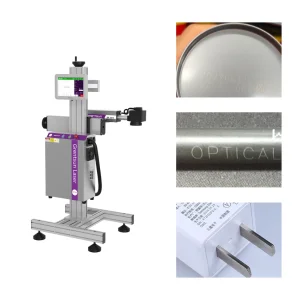
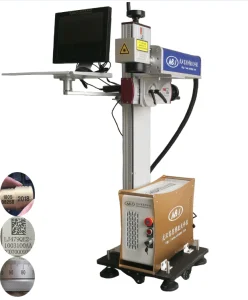
High-speed, flying fiber and CO2 laser solutions for high-volume consumer goods. Capable of printing variable date codes, bar codes, and branding logos on bottles, packaging cartons, and dynamic extrusion lines.
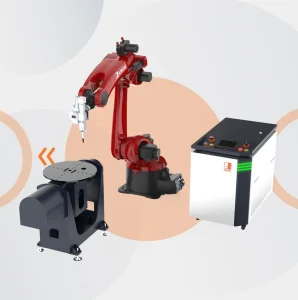
Integrated robotic automation architectures that perform deep laser engraving and high-performance structural cutting. Designed for harsh aerospace manufacturing environments where traceability must endure extreme thermal cycles.
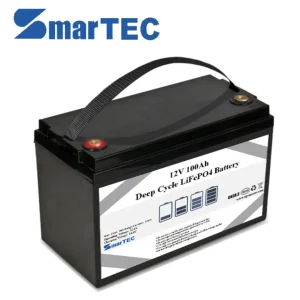
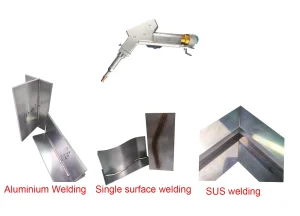
Optimized manufacturing setups for lithium battery packs, solar cells, and advanced metal alloys. Focused on precision, long lifecycle performance, and minimal degradation of material properties during structural assembly.
The demand for clear traceability in industrial manufacturing is shifting from simple surface marking to permanent, high-precision laser marking. Industrial environments now require direct part marking (DPM) to withstand harsh chemicals, mechanical wear, and high temperatures. Our laser marking platforms support key tracking methodologies, including standard 2D DataMatrix and high-density QR codes.
Ningbo STYRL Laser Co., Ltd. serves markets across Europe, North America, Southeast Asia, and South America. As regulatory agencies implement stricter tracking requirements for aerospace components, medical devices, and electric vehicle batteries, we work with global integrators to supply systems that comply with EU Machinery Directive standards, FDA registrations, and regional ISO certifications.
By controlling the optical engineering path in-house, we provide competitive laser systems that match global standards. Our systems maintain long diode lifetimes, reduced electrical draw, and low maintenance needs, making them suitable for 24/7 manufacturing plants.
We provide international compliance, local support, and installation assistance to ensure smooth operation across global markets.
All exports carry certificates of compliance for major regulatory bodies: FDA radiation safety, CE declaration parameters, RoHS material guidelines, and ISO 9001 quality audits. This prevents importing delays and custom friction.
We offer multi-tier Service Level Agreements (SLAs) with 24/7 technical help desks, virtual diagnostic support, and local partner service stations. This setup minimizes line downtime and optimizes performance.
Our engineers provide remote or on-site setup assistance. We supply video guides, control board schematics, and software instruction to help your operators master our systems quickly.
Our planned development phases integrate laser physics, machine vision, and remote diagnostics to meet evolving manufacturing standards.
Moving toward ultra-short pulse (USP) lasers for cold processing, allowing clean markings on thin polymers and delicate materials without causing thermal damage.
Integrating high-resolution CCD cameras and real-time scanning systems to detect surface shapes and adjust marking positions on the fly.
Adding cloud-based monitoring to check laser power, diode health, and galvanometer temperatures, allowing predictive maintenance alerts before faults occur.
Optimizing electrical efficiency to lower power consumption while redesigning internal air filtration to remove particulates safely.
Clear, detailed answers regarding the design, operation, and selection of our laser marking systems.
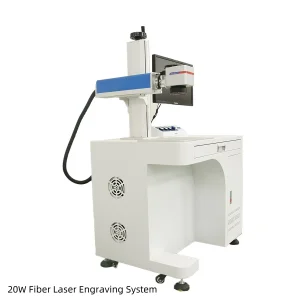
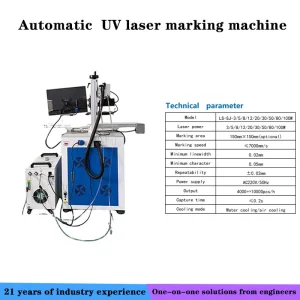
Fiber lasers operate at a 1064nm wavelength, relying on photothermal interaction to mark metal and hard plastics by melting or vaporizing the surface. UV lasers use a 355nm wavelength to achieve "cold marking." This shorter wavelength breaks molecular bonds directly without generating high heat, making it suitable for delicate medical plastics, electronics packaging, and silicon wafers.
Our control systems support standard TCP/IP, RS232, and Modbus communication protocols. The software can connect directly to SQL or Oracle databases to read serial numbers, batch codes, or variable data in real time, making them easy to integrate into automated smart factory networks.
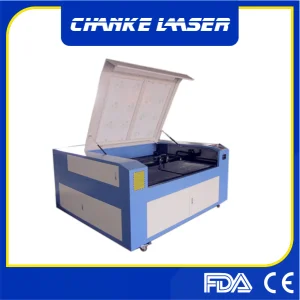
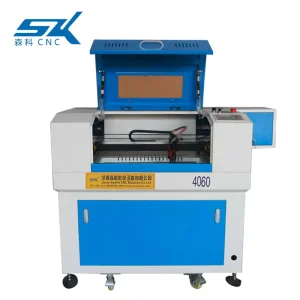
Yes, our CO2 laser cutting systems (like the 4060 Ruida model) are designed to handle non-metallic materials, including natural wood, acrylics, textile patterns, and leather. The carbon molecular bonds in these materials absorb the 10.6µm CO2 wavelength efficiently, producing clean cut edges.
Fiber lasers require very little maintenance because they have no consumable components. Regular tasks include cleaning the protective F-theta lenses, checking that the cooling fans run smoothly, and keeping the work environment clean. For UV lasers, checking the optical paths and alignment periodically helps maintain high marking precision over time.
Our semiconductor wafer marking systems use short-wavelength green or UV lasers and integrate dust-free vacuum extraction. This combination prevents the release of micro-particles and preserves the cleanroom environment (up to Class 100/ISO 5 standards) without affecting the electrical properties of the surrounding silicon.
We supply step-by-step setup guides, detailed wiring schematics, and direct video assistance. We also work with a network of local service partners to assist with installation, adjustments, and replacement parts to keep your systems running smoothly.
High-precision UV systems, heavy automation solutions, and essential industrial accessories for global production needs.
 STYRL Laser