High-speed automated production units and ultra-short pulse laser systems designed for cutting-edge electronics, medical devices, and battery assemblies.
How high-density interconnects, advanced electronics packaging, and strict sub-micron accuracy thresholds are driving the replacement of traditional chemical etching.
In modern high-density electronics manufacturing, traditional chemical etching processes face insurmountable barriers, including severe environmental pollution, chemical undercutting, and limitations in minimum feature size resolution. The rise of multi-layered PCBs, flexible printed circuits (FPCs), and advanced semiconductor packaging demands a transition toward dry, chemical-free, and digitally controlled alternatives. This is where high-precision laser etching and marking technology becomes the absolute operational baseline.
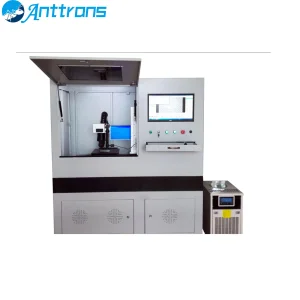
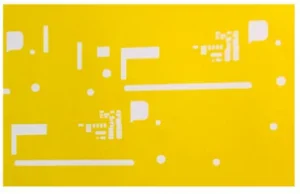
Laser etching equipment uses highly focused optical energy to selectively ablate material layers—such as copper coatings, polyimide films, glass substrates, or polymer materials—down to the micron or even sub-micron level. By operating in the non-thermal or "cold ablation" regime (predominantly powered by short-pulse UV and picosecond laser technologies), modern manufacturers can perform intricate work without damaging adjacent components or compromising structural integrity. This ensures that the components exhibit zero thermal deformation, negligible heat-affected zones (HAZ), and unmatched surface finishes.
By employing advanced digital galvo scanners and real-time vision alignment systems, lasers achieve high-precision micro-machining. This capability is critical for micro-nozzle processing, drilling microscopic blind vias in multi-layer PCBs, and removing ultra-thin film coatings with absolute depth consistency and minimal collateral damage.
Unlike wet chemical processing lines, laser etching produces no hazardous liquid wastes, neutralizes high acidic footprint requirements, and completely eliminates the cost of chemical consumables. It aligns perfectly with ISO 14001 environmental frameworks and global electronics cleanroom standards.
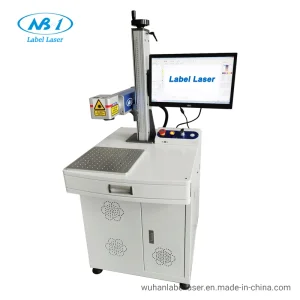
Direct part marking (DPM) using high-speed UV and fiber lasers allows electronics manufacturers to encode high-density data matrices, QR codes, and alphanumeric tracking codes onto the smallest chips, housings, or connectors, supporting end-to-end trace loops from raw wafer to end-consumer.
Analyzing market trends across the Americas, Europe, and Asia-Pacific: Why Chinese manufacturing serves as the focal point for high-reliability laser modules.
The global demand for laser micro-machining and marking platforms is experiencing massive double-digit growth. Regions including North America and Western Europe lead in advanced design engineering, yet they rely heavily on high-yield, cost-effective Asian production lines to build, calibrate, and deliver these comprehensive systems. China's integrated supply chain ecosystem—which bridges raw crystalline optics, precision linear stages, advanced industrial software, and heavy steel frame manufacturing—allows Chinese laser companies to provide incredible technological advancements with superior ROI profiles.
Top-tier Chinese manufacturers no longer merely assemble machinery; they are global technology leaders. Modern facilities feature active cleanroom calibration labs, high-frequency laser interferometers for dynamic accuracy testing, and collaborative engineering pipelines that integrate directly with automated logistics systems worldwide. This enables local factories to develop specialized custom configurations faster than Western counterparts, offering a resilient bridge for global supply chains facing aggressive turnaround pressures.
A deep dive into STYRL's decade-long growth from a local high-precision workshop to an international laser powerhouse.
Ningbo STYRL Laser Co., Ltd. is a premier high-tech enterprise specializing in cutting-edge laser processing technology. Positioned globally as a top-tier Laser Marking Machine Manufacturer | Fiber Laser Engraving & Industrial Coding Solutions provider, the company focuses on delivering high-precision, highly efficient, and exceptionally stable laser systems. These systems are widely integrated into electronics, automotive parts, metal fabrication, packaging, medical devices, and heavy industrial manufacturing sectors.
Founded in 2014 in Ningbo, China, STYRL Laser began as a specialized laser integration workshop focusing on custom industrial marking applications. With the rapid evolution of smart manufacturing, IoT, and industrial automation, the company expanded its R&D scope into advanced fiber laser marking systems, high-speed CO₂ laser solutions, ultra-cold UV laser marking equipment, and advanced laser welding technologies. By 2018, STYRL had established a complete, state-of-the-art production and R&D ecosystem covering custom optical designs, proprietary control software integration, and high-tolerance machine assembly.
Today, the company operates modern, ISO-compliant manufacturing facilities equipped with precision optical testing systems, multi-axis CNC machining centers, and automated assembly calibration lines. Its laser solutions are engineered for high-speed operation, deep engraving accuracy, and long-term industrial stability, consistently meeting the strict demands of global manufacturing industries. Ningbo STYRL Laser Co., Ltd. continues to serve crucial customer bases across Europe, Southeast Asia, the Middle East, and South America, maintaining a steadfast commitment to innovation, quality, and intelligent manufacturing.
Visual proof of rigorous calibration, heavy-duty assembly, and modern equipment deployment.
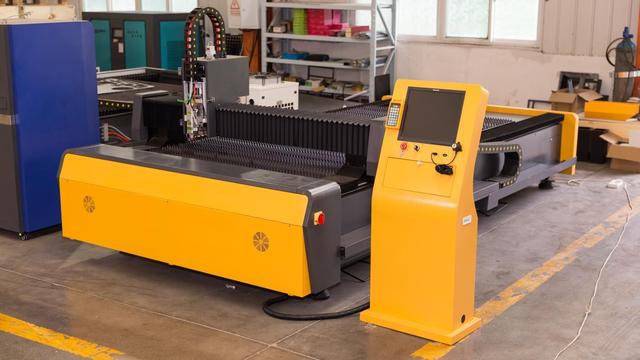
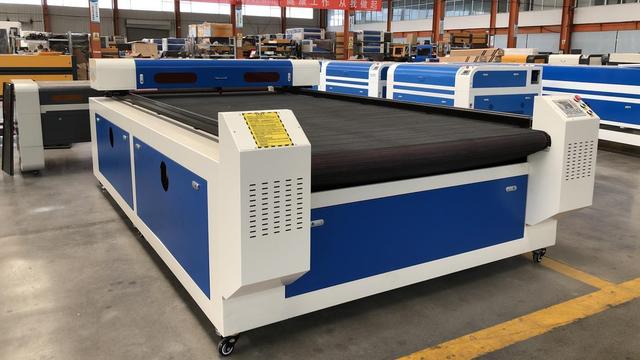
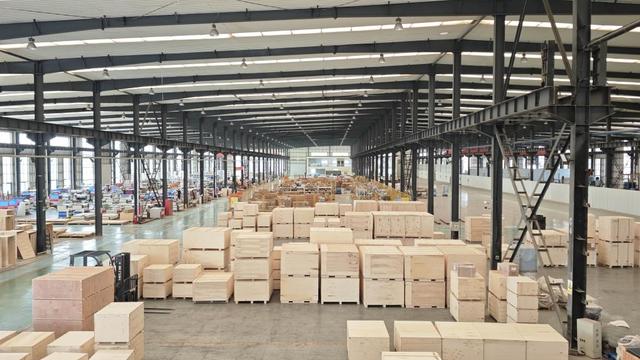
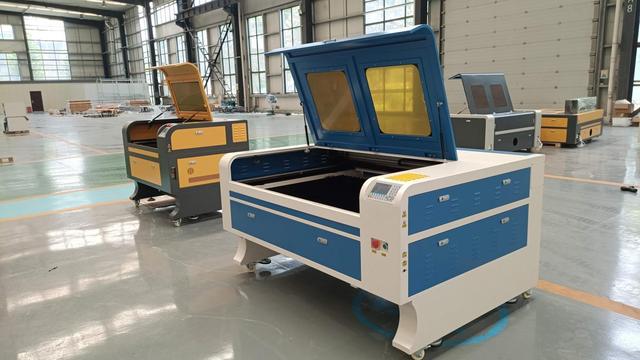
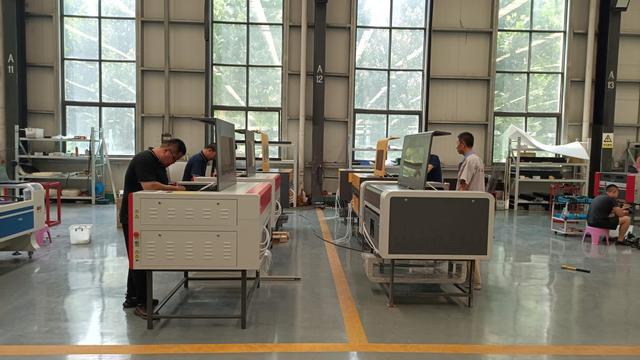
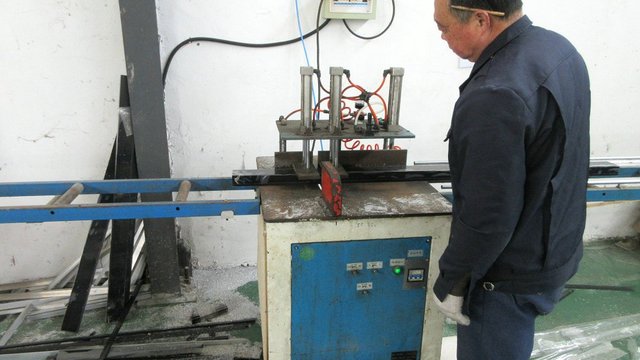
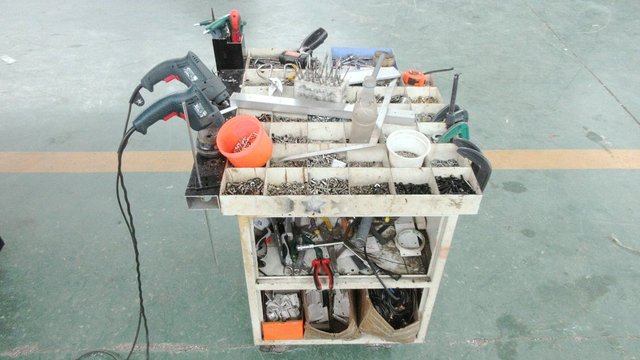
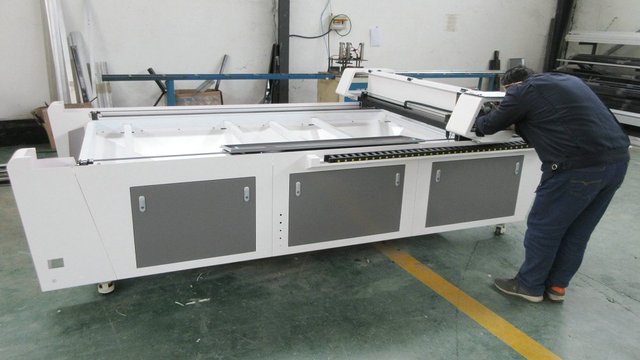
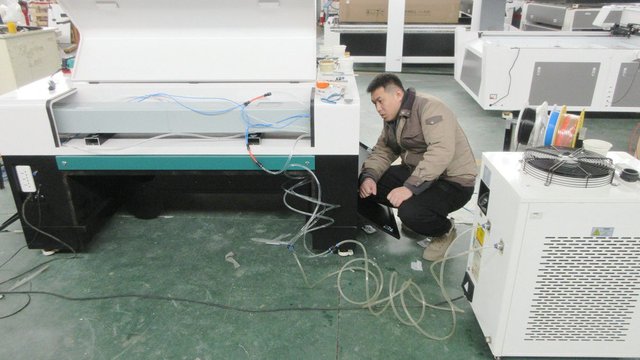
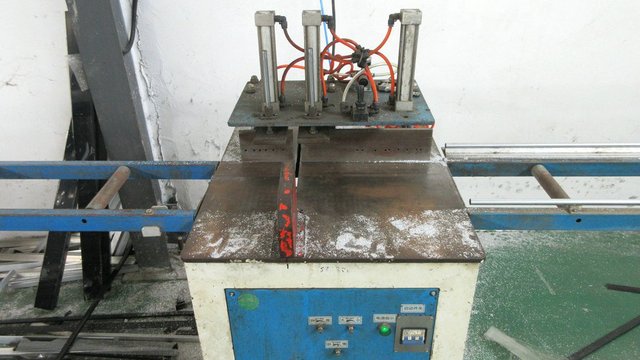
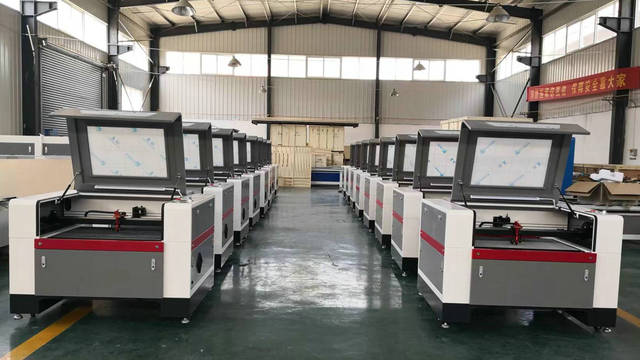
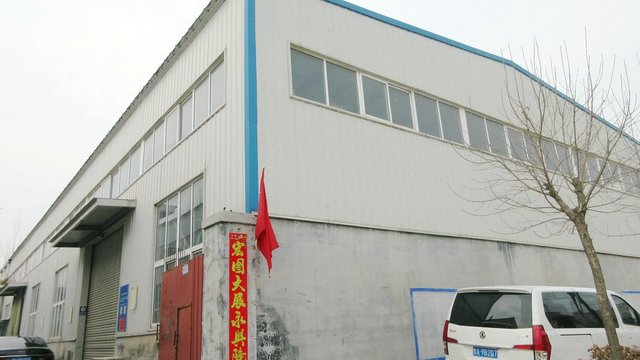
Detailing how global manufacturing giants integrate laser technologies into high-load, continuous industrial lines.
In high-end smartphone assembly, our precision 3D UV laser marking systems program serial codes, batch tracking IDs, and custom micro-paths directly onto small PCB copper grids, anodized aluminum frames, glass panels, and delicate internal polymer brackets. These systems operate with zero structural deformation and dynamic micro-meter alignment precision.
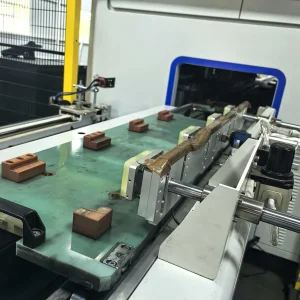
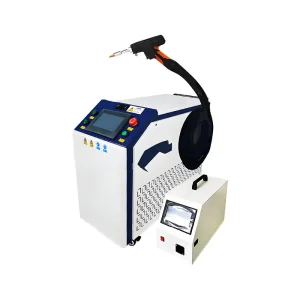
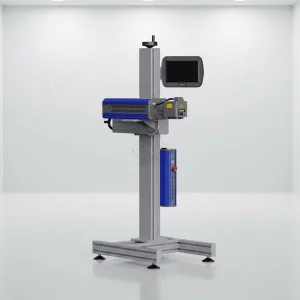
For electric vehicle supply chains, our High-Speed Automated Pack Line systems automate the precision welding, cleaning, and identification of prismatic battery modules. This includes using fiber lasers to mark deep trackability matrix codes on cast aluminum casings, and using precision lasers for rapid electrode tab profiling and surface pre-treatment.
Medical implant manufacturers rely on CE/FDA certified 30W UV and CO2 laser machines for marking pacemakers, orthopedic screws, and surgical instruments. Laser etching ensures dark, high-contrast, oxidation-resistant, and corrosion-free marks. These marks survive heavy chemical cleaning and autoclaving, while preserving passivated stainless steel layers.
Discover how we are pioneering the convergence of ultrafast laser sources, deep machine vision, and AI-driven process adjustment.
Developing ultra-stable industrial femtosecond and picosecond laser platforms to completely eliminate heat-affected zones in delicate semi-conductor substrates, enabling a true mechanical cold ablation process.
Integrating on-the-fly coaxial vision tracking with deep neural networks to instantly detect, align, mark, and verify parts with variable geometries, bringing scrap rates down to absolute zero.
Engineering a single laser head assembly containing selectable fiber, UV, and CO2 wavelengths, letting manufacturing systems etch mixed material stacks (e.g. plastic-to-metal-to-glass) in a single workflow.
Connecting all field laser marking systems to factory execution layers (MES/SCADA via OPC UA & TCP/IP), creating autonomous, self-diagnostic networks capable of predictive maintenance and self-calibration.
Ensuring your peace of mind through global safety standards, fast-response field engineers, and seamless localized maintenance networks.
Purchasing heavy industrial equipment requires reliable, long-term technical support. Ningbo STYRL Laser has developed a robust global service network with dedicated support hubs in key markets across Europe, Southeast Asia, South America, and the Middle East. When you partner with us, you receive local technical support, on-site commissioning, and reliable spare parts sourcing close to your facility. Our remote diagnostic platform allows our specialized engineers to securely access systems to resolve software, optical, or mechanical alignment issues within minutes, ensuring minimal line downtime.
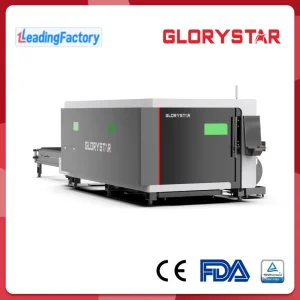
Furthermore, all our laser machines—whether UV micro-marking platforms or high-capacity automated production lines—carry complete CE and FDA certifications, fully complying with regional health, safety, and environmental standards. We implement dual optical interlocks, protective enclosures, exhaust filtration systems, and professional Class 1 laser isolation barriers to guarantee a safe working environment for your shop floor staff.
Answering critical technical, operational, and integration questions for engineering leads and procurement managers.
The differences depend on the wavelength and light-matter interaction:
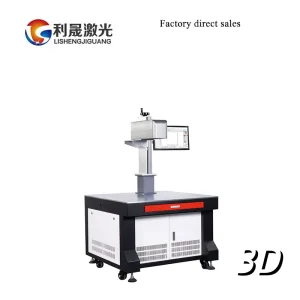
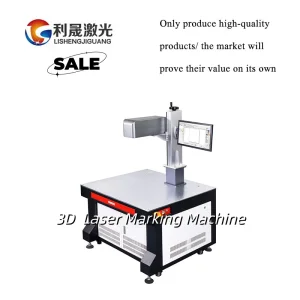
We combine advanced 3-axis dynamic focus galvo scanners with integrated high-resolution coaxial cameras. Our control software maps the 3D CAD mesh of your part in real time, dynamically adjusting the focal plane at microsecond intervals as the laser traces the surface, preventing distortion or focal drift.
Yes. Our control systems are designed for smart factory integration, featuring native support for TCP/IP, Modbus, and OPC UA protocols. This allows our equipment to receive dynamic marking payloads (e.g. tracking codes, serialization data) straight from your MES database and transmit validation status signals upon completion.
Our enclosed systems are rated as Class 1 Laser Products, conforming to strict EN 60825-1 safety guidelines. They feature safety-interlocked access doors, certified protective viewing windows, and integrated exhaust ports to safely clear ablation particulate and fumes.
Our top-tier solid-state fiber laser sources are rated for up to 100,000 continuous operating hours under cleanroom conditions. UV laser sources, which rely on frequency-tripling non-linear crystals, typically require diagnostic maintenance after 20,000 hours, keeping your long-term operating costs exceptionally low.
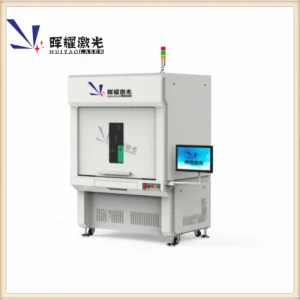
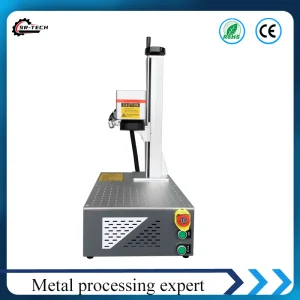
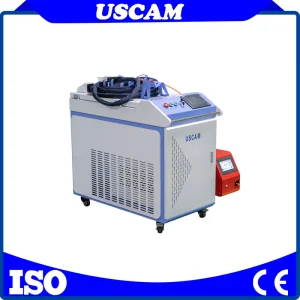
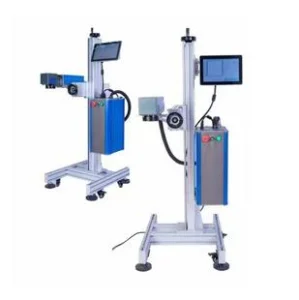
High-power deep engraving, precision 3D surface scanning, portable laser welding systems, and sterile medical device micro-marking setups.
 STYRL Laser