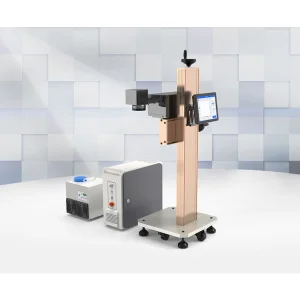
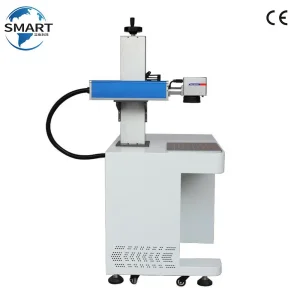
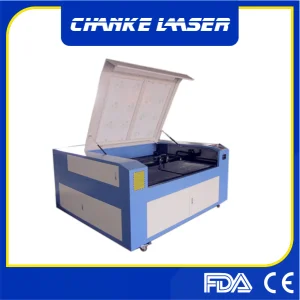
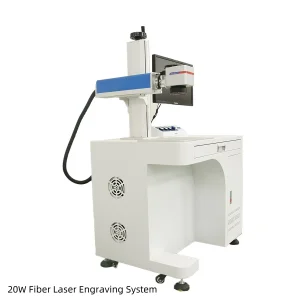
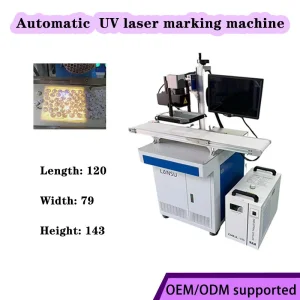
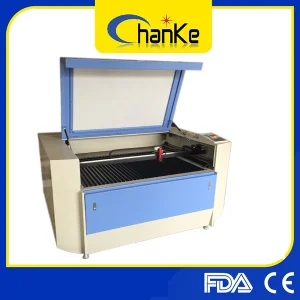
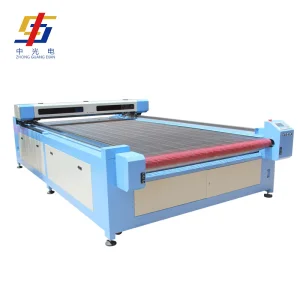
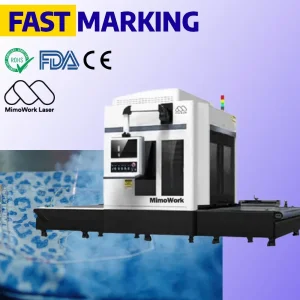
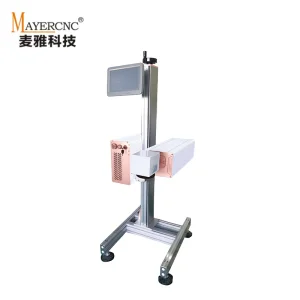
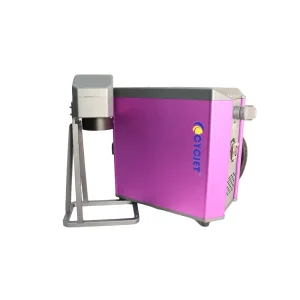
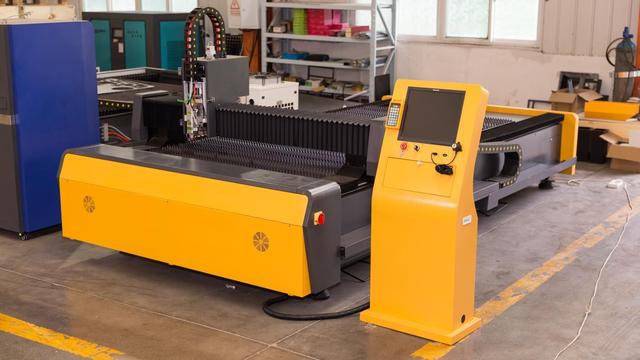
Highly adaptable equipment engineered to deliver optimal speed and marking durability in heavy manufacturing and processing setups.
The Democratic Republic of the Congo (DRC) is undergoing a major industrial shift. Historically driven by raw mineral extraction in the Katanga Copperbelt, the economy is moving toward local mineral refinement, downstream processing, and consumer-goods manufacturing in regional hubs like Kinshasa, Lubumbashi, and Kolwezi.
As international demand for critical minerals (cobalt, copper, coltan, and lithium) spikes, global compliance protocols require strict, unalterable supply chain tracking. These requirements are driven by regulations like the US Dodd-Frank Act (Section 1502) and European Union Conflict Minerals Regulations. To meet these standards, companies need reliable laser engraving systems to mark raw materials, refining containers, transport bags, and structural metals with permanent, high-contrast QR codes and data matrices.
Deploying delicate optoelectronic machinery in Central Africa presents challenges: power supply shifts, high dust levels, and extreme humidity. STYRL Laser has engineered rugged modifications for laser marking setups deployed in DRC.
Our systems include dust-tight, sealed optical modules and double-ventilation industrial cooling. This design prevents fine dust from settling on lenses and mirrors, which is a common cause of fiber laser failure in mineral processing plants. By using wide-voltage power supplies (110V-240V) alongside industrial surge protection, our systems remain stable during voltage fluctuations.
Built for structural marking, heavy-gauge tooling, and high-speed production lines.
Understanding local operations is key to selecting the right laser technology. The three primary industries driving demand for advanced laser systems in the DRC include:
At refining facilities, raw copper cathodes, refined cobalt hydroxide bags, and gold bars must be permanently marked before export. This marking ensures compliance with traceablity initiatives like the International Tin Supply Chain Initiative (ITSCI). Our fiber laser marking systems (ranging from 20W to 100W) engrave barcode tracking patterns directly onto metal surfaces, ensuring the markings remain readable from extraction to export.
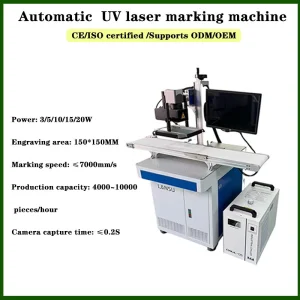
Kinshasa’s industrial zones house large food, beverage, and household chemical factories. These operations run high-speed bottling lines that require real-time batch and date coding. Our CO₂ and UV laser systems mark PET bottles, laminated boxes, and high-density polyethylene (HDPE) caps at speeds of up to 12,000 mm/s. This ink-free process eliminates ink and solvent supply chains, lowering operating costs and improving environmental standards.
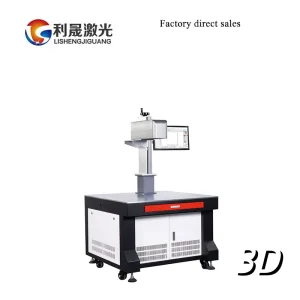
DRC's ongoing energy and transport infrastructure updates require field-ready metal plates, valves, pipelines, and transformers. These tags must withstand high humidity, rain, and UV exposure. Our heavy-duty 3D fiber laser engravers mark uneven cast metal components, ensuring lifetime tracking of critical infrastructure parts.
Choosing the right laser wavelength depends on your target material:
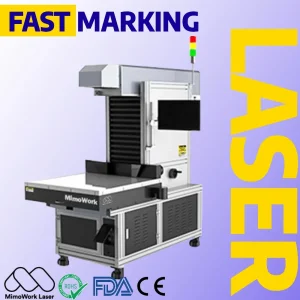
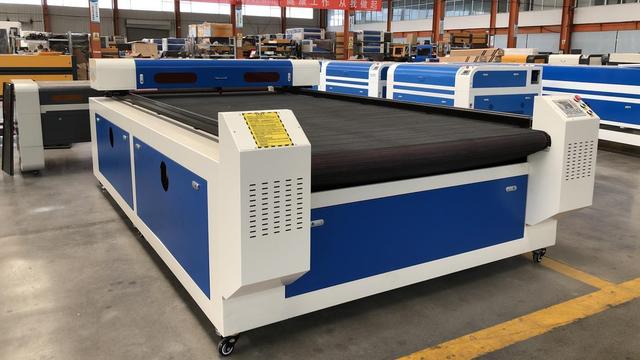
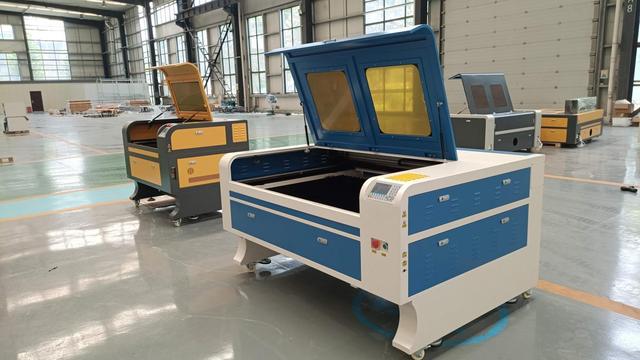
Fully compliant laser systems for specialized production lines, component marking, and complex surfaces.
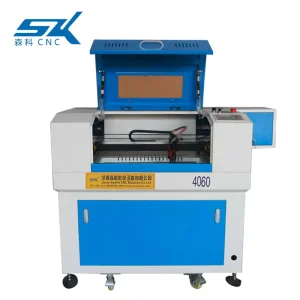
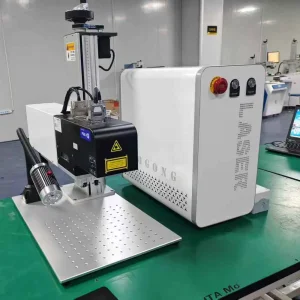
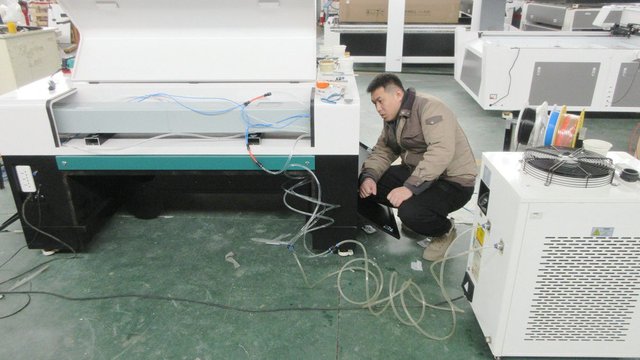
Deploying industrial equipment in developing economies requires active technical support. Ningbo STYRL Laser Co., Ltd. provides reliable hardware alongside remote support, installation support, and on-site operator training programs.
Our manufacturing processes comply with ISO 9001 quality management guidelines. Each laser marking machine is built with high-quality components, including IPG and Raycus fiber sources, Scanlab galvanometers, and EzCad control systems. We ensure all laser systems comply with CE and FDA CDRH safety standards, using integrated safety interlocks, optical shielding windows, and localized fume extraction hoods.
Our industrial lasers feature Modbus, Profinet, and TCP/IP communication protocols. This connectivity allows them to integrate into existing SCADA systems and ERP software. For example, mineral refining plants can link our systems with weight scales and ERP databases to generate and mark QR codes automatically on each refined batch.
Ningbo STYRL Laser Co., Ltd. is a high-tech enterprise specializing in laser processing technology, positioned as a Laser Marking Machine Manufacturer | Fiber Laser Engraving & Industrial Coding Solutions provider. The company focuses on delivering high-precision, efficient, and stable laser systems widely used in electronics, automotive parts, metal fabrication, packaging, medical devices, and industrial manufacturing sectors.
Founded in 2014 in Ningbo, China, STYRL Laser started as a small laser equipment integration workshop focusing on industrial marking applications. With the rapid development of smart manufacturing and industrial automation, the company expanded its product scope into fiber laser marking systems, CO₂ laser solutions, UV laser marking equipment, and advanced laser welding technologies. By 2018, STYRL had established a complete production and R&D system covering optical design, control software, and machine assembly.
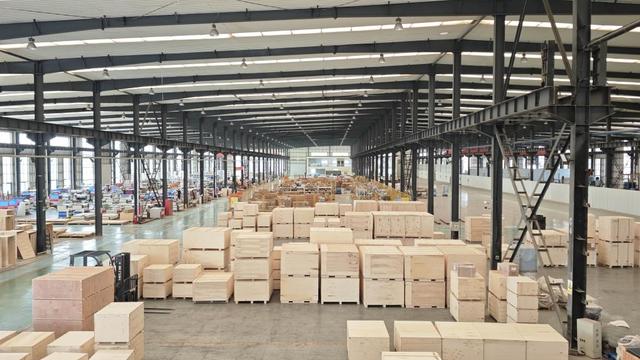
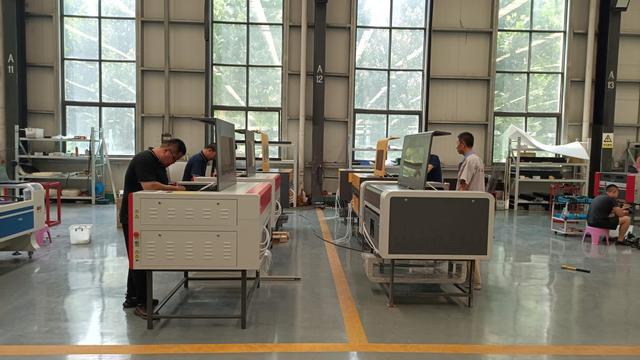
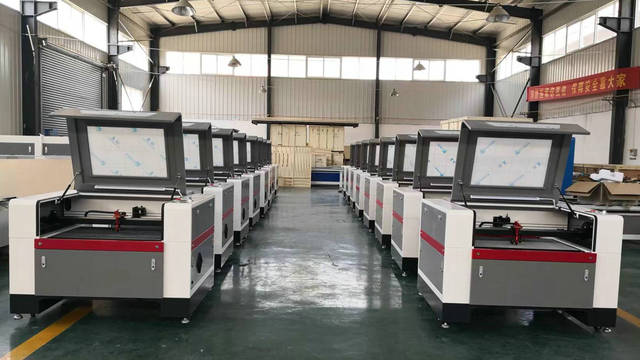
Today, the company operates modern manufacturing facilities equipped with precision optical testing systems, CNC machining centers, and automated assembly lines. Its laser solutions are designed for high-speed operation, deep engraving accuracy, and long-term industrial stability, meeting the strict requirements of global manufacturing industries.
Ningbo STYRL Laser Co., Ltd. continues to serve customers across Europe, Southeast Asia, the Middle East, and South America. With a strong commitment to innovation, quality, and intelligent manufacturing, the company is dedicated to advancing laser technology and providing reliable industrial laser marking and coding solutions for global customers.
Common questions from engineering departments and sourcing teams looking to deploy laser systems in Central Africa.
Get a customized equipment recommendation, material sample test, and quotation tailored to your operational needs.
Send Inquiry Now STYRL Laser